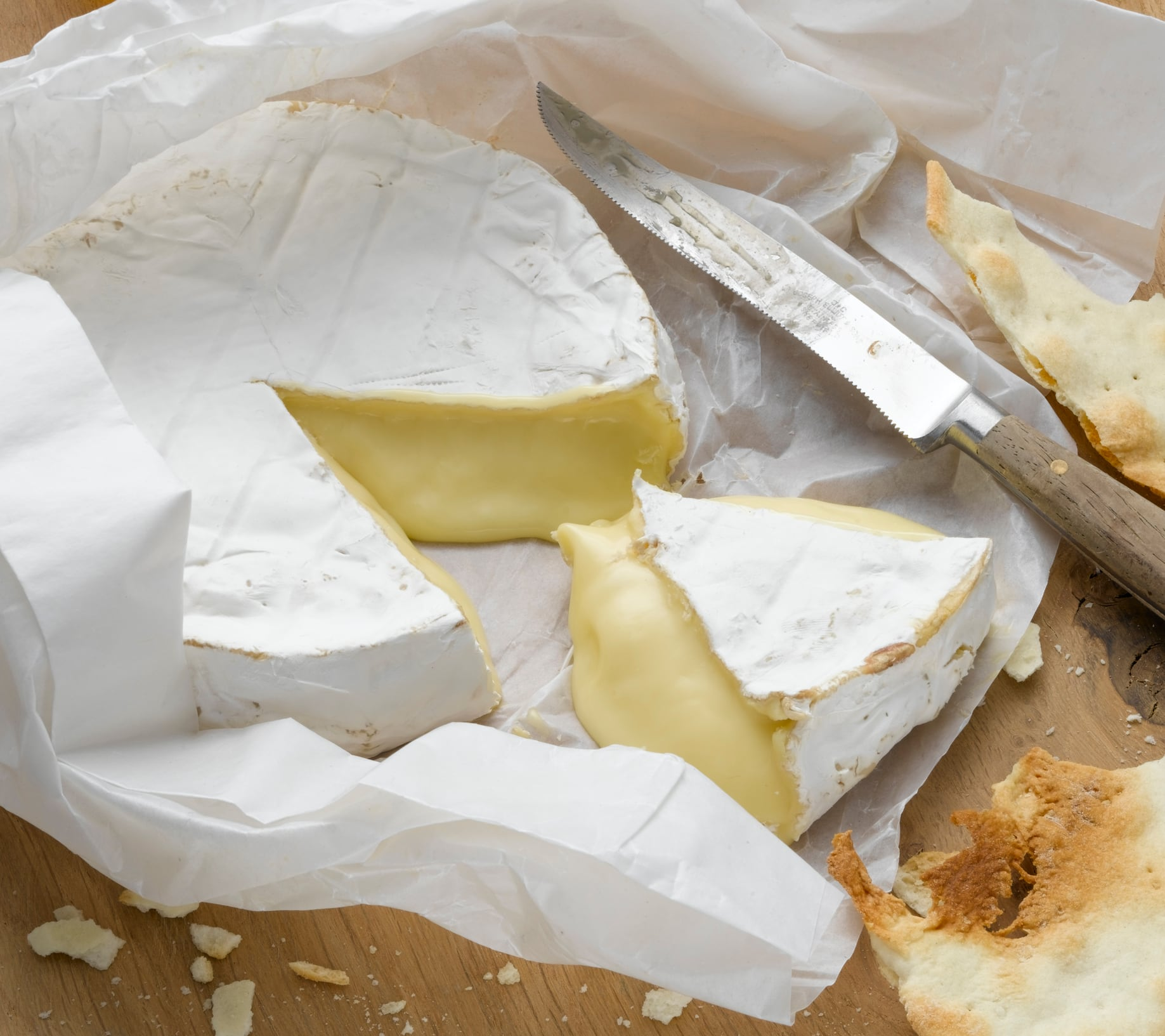
IN Brief:
- Traditional Cheese Company is recalling two French brie products in Northern Ireland after Listeria monocytogenes was detected.
- The affected products include Dunnes Stores Velvety & Mild French Brie and Traditional Cheese Company French Brie.
- The incident reinforces the importance of pathogen control, batch traceability, and recall execution in chilled dairy supply chains.
Traditional Cheese Company is recalling two French brie products in Northern Ireland after Listeria monocytogenes was detected in one product and a second was withdrawn as a precaution.
The affected products include Dunnes Stores Velvety & Mild French Brie in 170g packs with use-by dates of 10 July, 16 July, and 17 July 2026, and Traditional Cheese Company French Brie in 160g packs with a use-by date of 17 July 2026. The recall applies to Northern Ireland.
Point-of-sale notices are being displayed where the products were sold, with consumers instructed not to eat the affected cheese and to return it for a full refund. The food safety risk is linked to Listeria monocytogenes, which can cause serious illness, particularly in vulnerable groups including pregnant women, older people, babies, and people with weakened immune systems.
Soft cheeses remain a sensitive area for chilled dairy safety because their moisture content, pH, handling requirements, and shelf-life conditions can create risk if controls fail. Brie and other mould-ripened cheeses require close attention to raw material quality, environmental monitoring, temperature management, hygiene controls, and finished-product testing.
Batch-level traceability and rapid withdrawal capability are central to recall management in chilled dairy. Products can move quickly through retail channels, but they may also remain in domestic refrigerators until close to the end of shelf life. Clear consumer communication and retailer coordination are therefore essential once a microbiological risk is identified.
Recent hygiene and recall cases across the sector, including enforcement action linked to bakery hygiene failings and a chocolate milk recall, show how food safety discipline depends on consistent controls across processing, storage, logistics, and retail. The categories differ, but the operational requirements are familiar: prevent contamination, detect failures quickly, and act decisively when risk is identified.
Listeria presents a particular challenge because it can survive and grow at refrigeration temperatures. In dairy environments, control strategies usually depend on zoning, sanitation verification, environmental swabbing, equipment design, and strict separation between raw and finished product areas. Once contamination is identified, processors must determine whether the issue is isolated or whether wider precautionary action is required.
Ready-to-eat chilled products carry a different risk profile from products cooked before consumption. Consumers are unlikely to apply any kill step to soft cheese before eating it, so the microbiological status of the finished product at the point of sale is critical.
Retailer-brand and supplier-brand recalls can also place pressure on traceability systems. Where one product tests positive and another is withdrawn as a precaution, processors and retailers need to connect production batches, packaging lines, distribution routes, and sales records quickly. Speed is essential, but accuracy is equally important: overbroad recalls create cost and waste, while underbroad recalls create public health risk.
The immediate incident is limited in geography and product scope, but the operational lesson is wider. Chilled dairy safety is built on prevention, monitoring, verification, and response. When one layer fails, the strength of the recall system becomes the final barrier between a production issue and a wider food safety event.