IN Brief:
- Burcon has signed a non-binding letter of intent with an existing customer for potential plant protein ingredient sales worth up to US$6m in 2027.
- The company is increasing production at its Galesburg facility after infrastructure difficulties and reliability improvements constrained shipments during the September quarter.
- The proposed sales depend on a definitive agreement, customer orders and sufficient manufacturing capacity; no minimum purchase commitment has been secured.
Burcon NutraScience has signed a non-binding letter of intent with an existing consumer packaged goods customer covering potential purchases of up to US$6m in plant protein ingredients during 2027, as the Canadian business works to increase production at its US manufacturing operation.
The agreement, disclosed on 19 November, would represent a substantial expansion of an established customer relationship. Burcon and the unnamed purchaser are negotiating a definitive supply contract, with the anticipated sales value based on expected customer requirements rather than a guaranteed minimum order.
Neither the specific ingredients nor their intended food applications have been identified. The company has also not disclosed delivery volumes, product prices or a timetable for completing negotiations, leaving the eventual manufacturing commitment dependent on the final commercial terms.
Burcon develops and commercialises protein ingredients derived from agricultural crops including peas, fava beans and canola. Its portfolio includes Peazzaz pea proteins, FavaPro fava proteins and Puratein canola proteins, which are supplied for formulation in food and beverage products.
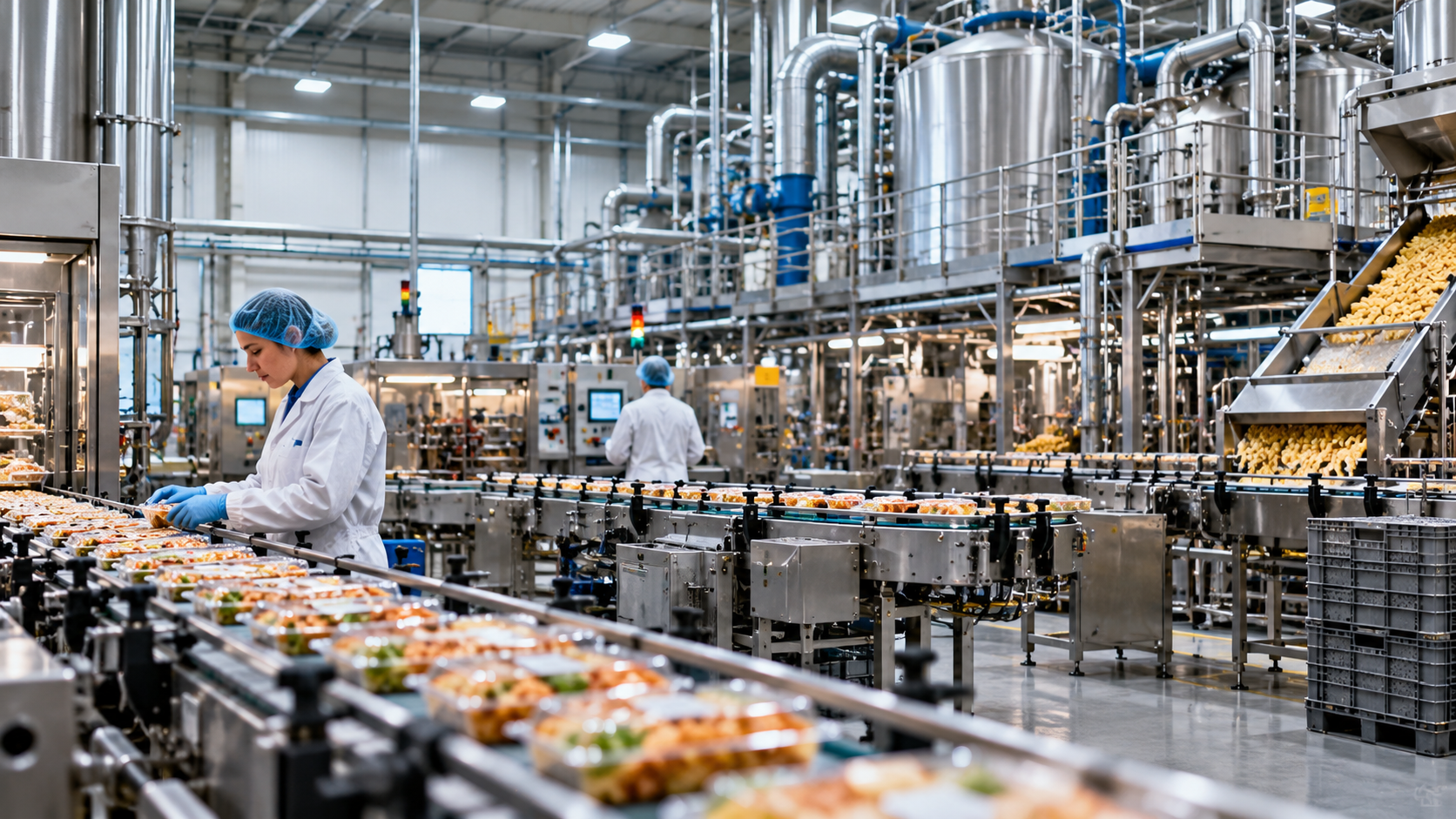
Production is being scaled through the company’s manufacturing operation in Galesburg, Illinois. Commercial manufacturing began during the financial year ended March 2026, following the establishment of a production platform intended to support the transition from protein technology development into recurring ingredient sales.
Burcon’s technologies are based on extracting and purifying protein fractions from plant material. Different agricultural feedstocks contain varying proportions of protein, starch, fibre, oil and other constituents, requiring processing conditions appropriate to the characteristics of the incoming crop.
The resulting ingredients must meet established specifications for composition, microbiological quality and physical properties. Industrial customers also require consistency between batches because variation in an ingredient can affect the performance of an established food formulation.
Protein functionality depends partly on the source material and the conditions encountered during processing. Solubility, emulsifying behaviour and the response to heating can influence whether an ingredient is suitable for beverages, dairy alternatives or other formulated foods.
Those characteristics must be considered alongside nutritional composition. A protein ingredient selected to increase the protein content of a product may also affect viscosity, texture or stability, particularly when added at relatively high concentrations.
Burcon’s portfolio allows it to address different formulation requirements, although the November letter of intent does not identify which products the customer intends to purchase. It would therefore be premature to associate the proposed US$6m sales opportunity with a particular ingredient, application or manufacturing process.
The scale of the potential agreement must also be considered against the company’s current financial position. Burcon reported revenue of C$1.04m for the three months ended 30 September 2026, an increase of approximately 191% compared with the equivalent quarter of the previous year.
Revenue for the six-month period reached C$2.32m, approximately 231% higher year on year. The increase reflected rising protein ingredient sales as the company continued to expand commercial manufacturing at Galesburg.
Although the proposed customer arrangement is denominated in US dollars and Burcon’s financial results are reported in Canadian dollars, the figures indicate the potential scale of the opportunity relative to the business’s current commercial activity. They do not establish that the proposed sales will be realised.
The Galesburg operation has experienced difficulties during its production expansion. In results published on 16 November, Burcon said infrastructure problems and work to improve plant reliability and efficiency had constrained shipments during the September quarter.
The company reported that production volumes had recovered and accelerated after the quarter ended. However, it has not provided sufficient operating data to establish the sustained output available from the facility or the level of additional production required to fulfil the proposed customer agreement.
Moving from initial customer orders to larger recurring supply arrangements places additional demands on manufacturing operations. Equipment must maintain the required throughput and product specifications across successive production campaigns, while maintenance and cleaning procedures have to be incorporated into delivery schedules.
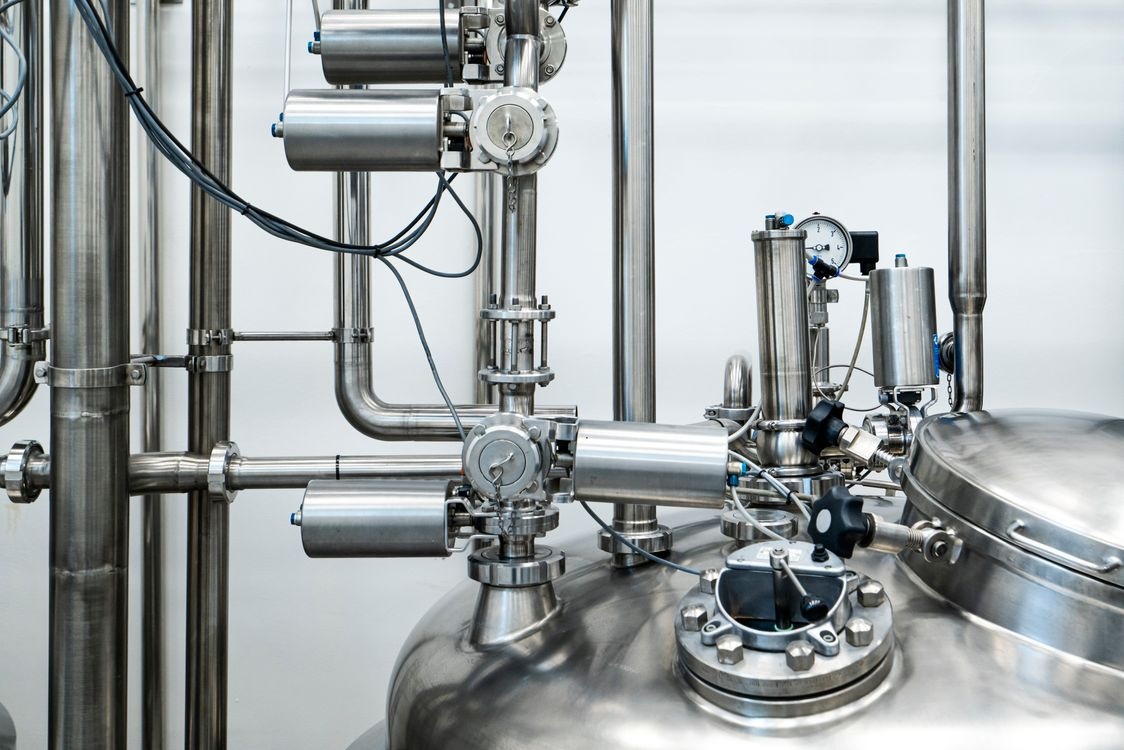
Plant protein manufacturing can involve several linked stages, including raw material preparation, separation, concentration and drying. The capacity of an installation depends on how those operations perform together, with constraints at one stage potentially limiting the output of the complete process.
Manufacturing consistency is especially important when ingredients are supplied to established consumer goods producers. Customers may require documentation covering product composition, traceability, quality assurance and the performance characteristics relevant to their formulations.
Changes in the scale or frequency of orders can also affect inventory and working capital requirements. A supplier preparing for substantially higher sales may need additional raw materials, packaging, labour and manufacturing resources before receiving payment for the finished ingredients.
Burcon’s recent results demonstrate the financial demands associated with its commercial expansion. The company reported a net loss of C$7.9m for the six months ended September and cash of approximately C$1m at the end of that period.
Working capital was negative by approximately C$15m, largely reflecting the classification of existing borrowing. Burcon has continued to evaluate financing options while using additional working capital to support manufacturing operations and commercial development.
On 16 November, it also disclosed a loan agreement for up to C$4.2m with an entity related to company director James Pekar. The borrowing is intended to support ongoing operations, including ingredient production and sales, alongside general corporate requirements.
Manufacturing improvement and financial capacity therefore remain closely connected. Additional customer demand can support higher production utilisation, but the business must have the resources to manufacture compliant ingredients and deliver them reliably before recognising the associated sales.
Kip Underwood, Chief Executive Officer of Burcon, said the company was seeing customers move from initial product validation towards larger commercial opportunities. The November letter of intent reflects that development, although the company has not established that the anticipated sales are contractually committed.
The proposed arrangement also differs from a completed supply contract because the parties remain free to negotiate its final provisions. Purchase volumes, scheduling arrangements and other commercial conditions will determine whether the potential customer requirements translate into orders.
Burcon has identified manufacturing reliability and capacity development among its priorities for 2027. The success of those measures will influence the company’s ability to support an enlarged supply programme without compromising delivery performance or the consistency of its ingredients.
The next milestones are completion of a definitive agreement and confirmation of the production requirements associated with it. Until those steps occur, the US$6m figure remains a potential sales opportunity rather than contracted revenue, with its eventual contribution dependent on customer orders and the performance of the Galesburg manufacturing operation.