
IN Brief:
- The UK and EU concluded an SPS agreement on 20 November, with application planned for 1 March 2028.
- Routine certification and border checks will be removed for many food products traded between Great Britain and the EU.
- Regulatory alignment will also change requirements for domestic manufacturers and some imports from countries outside the EU.
The UK government and European Union have concluded a sanitary and phytosanitary (SPS) agreement that will remove many routine border checks and certification requirements for food and agricultural trade, while bringing Great Britain’s regulatory framework into closer alignment with EU rules.
The agreement was concluded at the UK–EU summit in Brussels on 20 November 2026 and is scheduled to apply from 1 March 2028, subject to the necessary procedures in the UK and EU. It will establish a Common SPS Area, allowing qualifying goods to move between Great Britain and the EU under aligned sanitary and phytosanitary requirements.
Food manufacturers and exporters currently face additional documentation, inspections, and administrative costs when moving many products across the border. Requirements introduced after Brexit have affected categories including meat, seafood, dairy products, plants, and other agricultural goods, with certification and checks forming part of the process.
Under the agreement, routine export health certificates will no longer be required for most eligible products of animal origin moving between Great Britain and the EU. The government estimates that removing the requirement could save businesses up to £200 per certificate, in addition to the administrative work involved in obtaining and managing the documents.
Many phytosanitary certificates will also be removed, with estimated savings of around £25 per certificate and at least £127.60 per load in inspection fees. The revised arrangements are intended to eliminate most routine SPS border checks affecting products including dairy, fish, and meat.
The agreement will reopen EU market access for certain British food products that have faced restrictions under the existing arrangements, including fresh sausages, burgers, and specified molluscs. Certificates of Inspection will no longer be required for organic products traded within the agreed SPS framework.
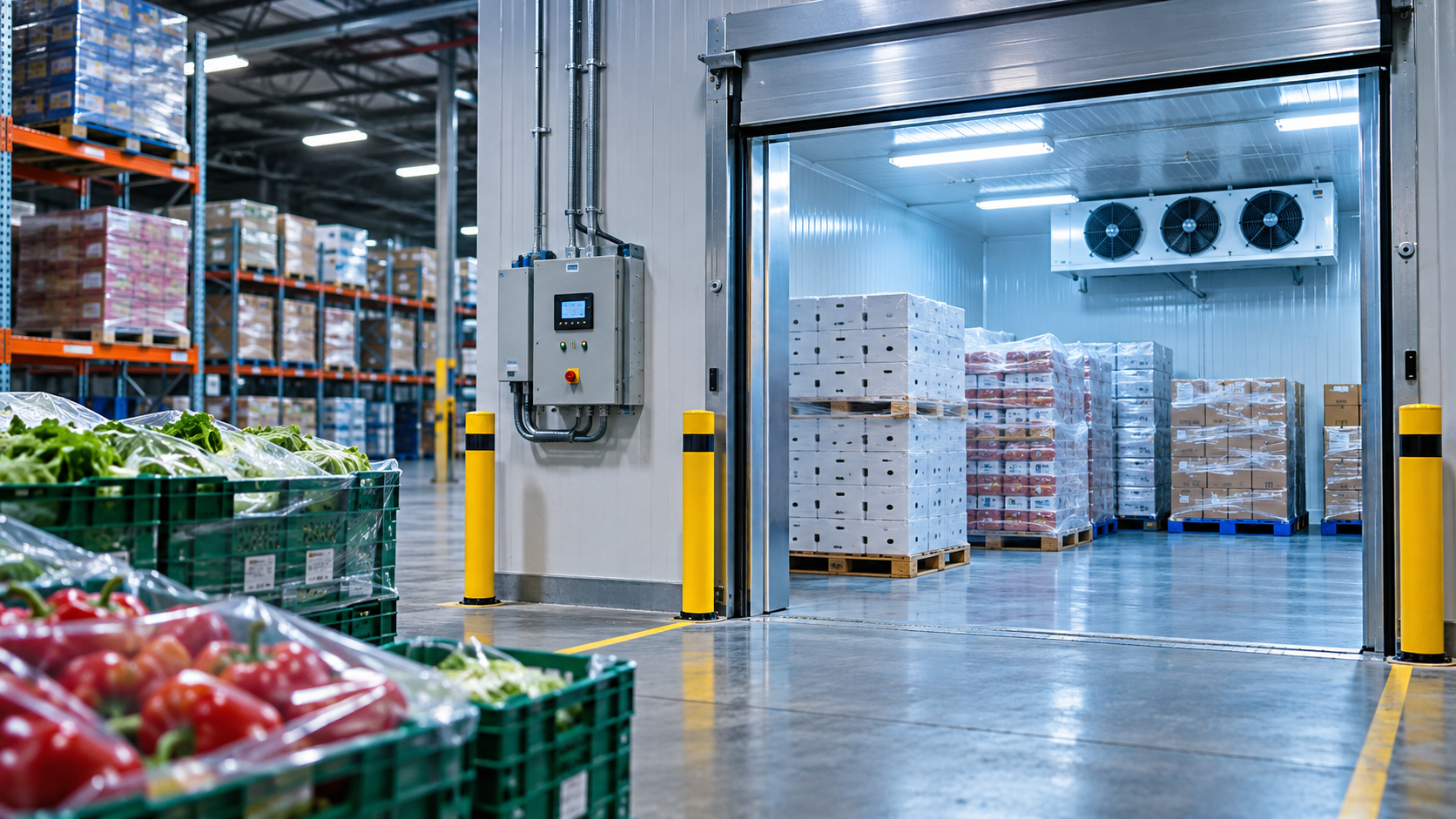
These changes could simplify distribution for manufacturers whose products require refrigerated transport or have relatively short shelf lives. Export certification and border inspections add stages to the movement of goods, while unexpected delays can complicate production scheduling and the coordination of deliveries.
Refrigerated food transport must maintain the appropriate temperature throughout distribution. Delays do not necessarily result in a breach of temperature requirements, but they can increase demands on refrigeration equipment, vehicle scheduling, and the remaining commercial life of the product.
Removing routine SPS controls can reduce those logistical complications, particularly where manufacturers operate frequent cross-border deliveries. The extent of any saving will depend on the type of product, the existing certification requirements, and the number of consignments handled by the business.
The new agreement does not remove every form of border control. Specific pest and disease restrictions, risk-based inspections, and other requirements may continue to apply, while ordinary customs clearance remains outside the SPS framework.
Manufacturers must therefore distinguish between the sanitary and phytosanitary procedures being removed and the customs obligations that will remain in place. Changes to SPS certification will not automatically eliminate customs declarations, tariffs where applicable, or the documentation required under other trade rules.
The regulatory changes accompanying the agreement are equally substantial. From March 2028, most food and animal feed placed on the Great Britain market will need to comply with the relevant EU rules, including products made by businesses that do not export.
This alignment will affect manufacturers whose products or ingredients currently comply with Great Britain requirements that differ from those applied by the EU. Food businesses may need to review recipes, ingredient specifications, additives, product approvals, and labelling arrangements to establish whether changes are required.
The Food Standards Agency has confirmed that the new framework will affect businesses of different sizes, including bakeries, butchers, specialist processors, and large manufacturers. Compliance will depend on the rules applicable to individual products rather than the size of the business or the destination of its sales.
Manufacturers importing ingredients from outside the EU will face another set of changes. Great Britain will align with the EU’s SPS import regime for third countries, introducing different certification, inspection, and digital reporting requirements for certain imported goods.
Some products currently subject to less extensive checks under the UK’s Border Target Operating Model may require additional documentation or inspections after the agreement takes effect. Importers will also need to establish whether their suppliers, countries of origin, and approved production establishments meet the relevant EU requirements.
Products of animal origin, regulated plant products, and high-risk foods of non-animal origin are among the categories affected. The revised requirements may change the administrative and inspection procedures applying to ingredients entering Great Britain from international suppliers.
For manufacturers with global procurement operations, the resulting obligations will depend on where ingredients originate and how they enter the Common SPS Area. A product already inspected on entry into the EU may be treated differently from a consignment arriving directly in Great Britain from a non-EU country.
The new regime will also involve changes to digital systems used for import certification and notification. Defra has indicated that the EU’s TRACES NT system will take on a more significant role in certain areas, requiring some businesses and intermediaries to adjust their existing procedures.
Transitional arrangements are intended to prevent disruption to goods already placed on the Great Britain market. Food and feed meeting the eligibility conditions before 1 March 2028 may continue to be sold or used domestically until stocks are exhausted, even where they do not comply with the incoming EU requirements.
Those goods cannot subsequently be moved into the EU market unless they meet the relevant rules. Manufacturers and distributors using the transitional provisions will therefore need to maintain appropriate stock identification and controls to prevent products intended for domestic sale from entering an ineligible export channel.
The agreement also includes specific arrangements for emerging food technologies. Cell-cultivated products, precision fermentation products, and foods containing cannabidiol that have received the relevant Great Britain authorisation before the application date may benefit from transitional provisions extending to October 2029.
Separate arrangements apply to precision-bred plants and products derived from them in England. The Food Standards Agency has confirmed that applications will continue to be accepted for a defined period in 2028, followed by further transitional provisions for products authorised under the existing English framework.
These exceptions are important because food technology developers have been operating within regulatory systems that are not identical. The transition will require businesses to establish whether existing authorisations remain valid, whether additional approvals are needed, and which market restrictions apply during the changeover.
Closer cooperation between food safety authorities is another element of the agreement. The Food Standards Agency expects improved access to EU scientific expertise, regulatory information, and systems used to identify emerging risks involving food and feed.
This includes access to relevant European Food Safety Authority activities and information from the Rapid Alert System for Food and Feed. The arrangements are intended to support the identification and investigation of food safety problems that cross national boundaries.
The UK government estimates that British agrifood exports to the EU have fallen by 32.5% since 2019. That comparison provides an indication of the change in trade, although the decline cannot be attributed solely to certification requirements or border inspections.
Future export performance will also depend on production costs, customer demand, currency movements, and the ability of British manufacturers to compete with suppliers already operating within the European market.
The government has identified March 2028 as the implementation date, but the agreement still requires legislation and further operational guidance. Businesses must continue to follow existing import and export procedures until the new arrangements take effect.
Defra intends to publish technical guidance in stages, including information on product requirements, certification, digital systems, and the arrangements affecting individual sectors. A business webinar is scheduled for 30 November 2026, with further implementation material expected during 2027.
Manufacturers can begin assessing the products, ingredients, suppliers, and trade routes affected, although some operational details remain subject to the implementing legislation. The agreement establishes a defined timetable for reducing GB–EU food trade barriers while replacing elements of Great Britain’s existing regulatory arrangements with the requirements of the Common SPS Area.