IN Brief:
- Coca-Cola Europacific Partners says A$130 million was invested at Moorabbin over the past five years.
- The Warmfill line has design capacity of up to 420 million bottles a year, with an additional can line recently commissioned.
- Published figures describe installed capability rather than verified annual throughput or new spending committed for 2027.
Coca-Cola Europacific Partners has reported A$130 million of manufacturing investment at its Moorabbin beverage plant in Victoria, Australia, accumulated over the past five years. The programme includes a Warmfill line designed for up to 420 million bottles annually and a recently commissioned can line. The 17 November update describes completed and existing capital projects, not a new commitment to spend A$130 million in the next financial year.
Around A$82 million of the spending is associated with the Warmfill line, while approximately A$47 million relates to the can installation, according to contemporaneous industry reporting. CCEP has said the bottle line could produce more than 256 million litres a year at its specified design capacity. The litre and bottle figures describe maximum output potential rather than documented annual production. The company has not provided a product-by-product utilisation rate for the equipment.
CCEP says Victorian demand for Powerade has increased by 3.2 million litres a year compared with five years ago. The Moorabbin production lines support drinks including Powerade and Fuze Tea, placing additional output closer to a large market for the products. Local production may alter distribution distances and logistics patterns, but neither a measured reduction in freight movements nor a verified transport-emissions saving was provided with the investment figures.
Warmfill processing involves controlling beverage and filling temperatures for products and packages requiring a defined thermal regime. Its specific operating limits depend on the drink’s acidity, formulation, microbial hazards, container design, and validated process; the technology name alone does not establish the treatment applied to every product. CCEP has not supplied the full Moorabbin process specification, so claims about sterilisation temperatures, individual product shelf life, or processing performance cannot be attributed to the installation.
Earlier company project material described associated works including a new production hall, nitrogen dosing, and upgrades to water treatment, electrical supply, compressed air, heating and cooling, and syrup preparation. These utilities can constrain output even where the filler itself is rated for a higher speed. The current investment update does not establish commissioning dates or achieved performance figures for every one of those systems, and earlier commitments should not be counted as additional November spending.
Water preparation and syrup blending must deliver the required specification before any beverage reaches the filler. Temperature control, mixing, ingredient dosing, and transfer-pipe hygiene can differ substantially between a flavoured tea and an isotonic drink. Downstream inspection, closure application, conveyors, and secondary packaging must operate at compatible rates for the line to sustain production. Nitrogen dosing, where used for an appropriate package and formulation, can help manage headspace or container behaviour, but its actual purpose at Moorabbin has not been quantified in the latest update.
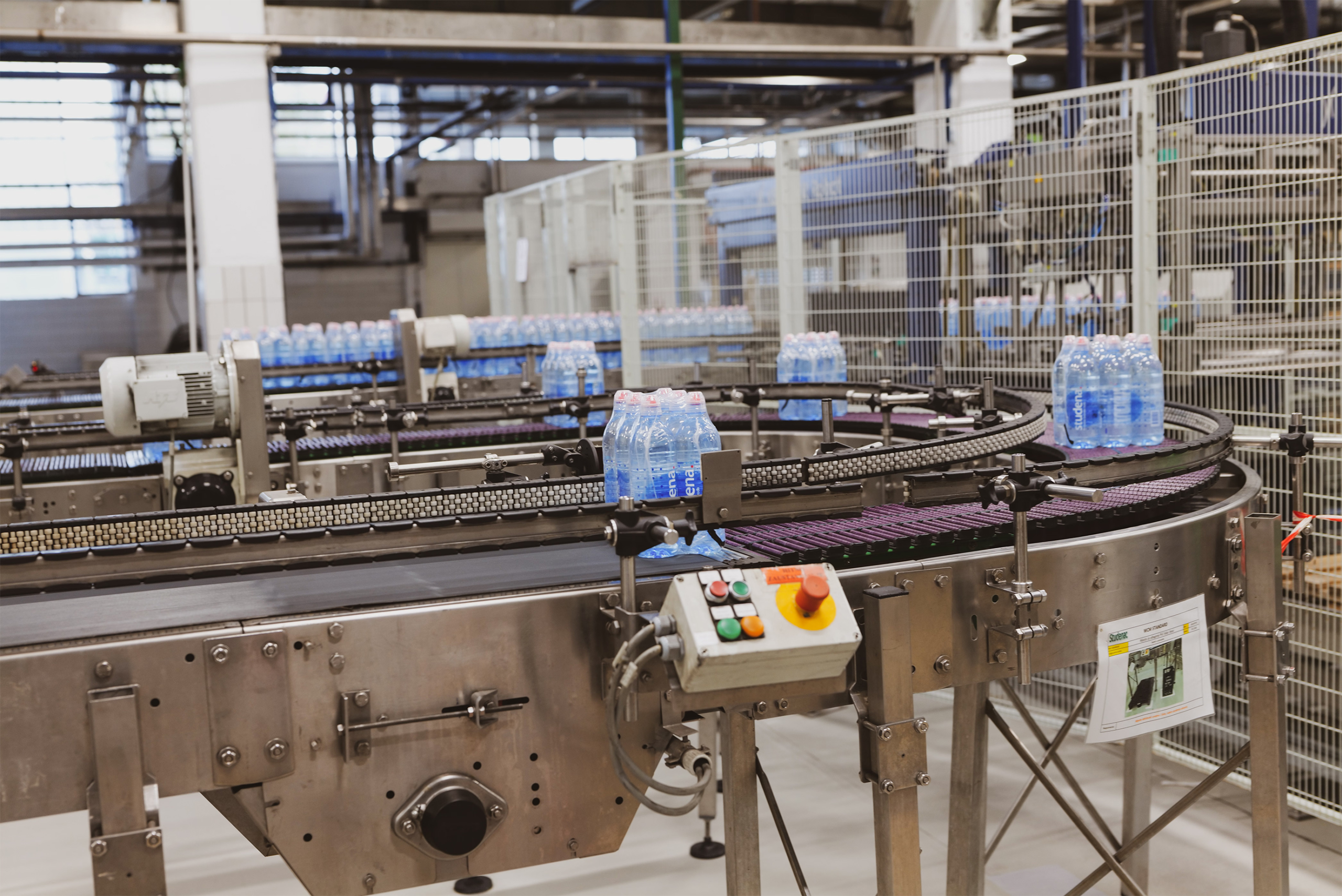
The new can line adds a separate package format to the site’s PET bottle production. Can filling and seaming require different handling and inspection systems from bottle filling and capping, including attention to seam integrity, container deformation, and closure control. Making both formats locally can provide production flexibility, but the company has not published the can line’s rated output, changeover times, or the fraction of sales transferred from other plants.
The Moorabbin facility employs 171 production staff within CCEP’s reported workforce of 678 in Victoria. Those numbers describe the existing operation rather than newly created positions attributable solely to the latest equipment. Automated filling and packaging can affect the mix of skills needed for production, maintenance, quality assurance, and materials handling; the company has not published a new staffing forecast or labour productivity figure for either line.
Capacity figures also require care when compared with market demand. A line capable of 420 million bottles annually can be run below that level because of product changeovers, planned maintenance, sanitation, packaging availability, and seasonal order patterns. Variations in pack size and filling volume alter the relationship between bottle count and litres produced. A facility’s practical annual output is determined by its operating schedule and sustained availability, not simply by multiplying the peak number of containers by the hours in a year.
The five-year investment period is material to the financial interpretation of the expansion. The can installation is described as recently commissioned, but the company has not specified a uniform commissioning date for all elements of the Warmfill programme. Reported equipment capability therefore should not be read as evidence that the entire additional volume appeared in a single production year. Further site reporting would be needed to separate capacity installed from the output achieved.
CCEP’s Moorabbin plant has additional bottle and can manufacturing capability alongside its established beverage operations. The 420 million bottle annual rating sets a technical ceiling for the Warmfill line, while actual production will be shaped by order volumes, product mix, sanitation, availability, and distribution capacity. Regular operating data will show how fully the site uses the new equipment and whether local manufacture changes its supply requirements.