IN Brief:
- The CMA has identified potential competition concerns in two UK retail food categories: dry ingredient mixes and dry sauces.
- The proposed transaction would combine leading branded suppliers, including Schwartz, Knorr, and Colman's.
- McCormick and Unilever have until 18 November to offer acceptable remedies or face an in-depth phase two investigation.
The Competition and Markets Authority (CMA) has identified potential competition concerns arising from McCormick's proposed acquisition of most of Unilever's global foods business, focusing on the supply of dry ingredient mixes and dry sauces to UK retailers.
Announcing its phase one decision on 11 November 2026, the regulator found that the proposed transaction could substantially reduce competition in two categories where the businesses are already among the largest branded suppliers.
The companies have until 18 November to offer undertakings addressing those concerns. Unless acceptable remedies are proposed and subsequently accepted, the transaction will face an in-depth phase two investigation.
The decision concerns the proposed acquisition by McCormick of substantially all of Unilever's global food business. Certain food operations will remain with Unilever, while the consideration involves McCormick shares and governance arrangements associated with the enlarged business.
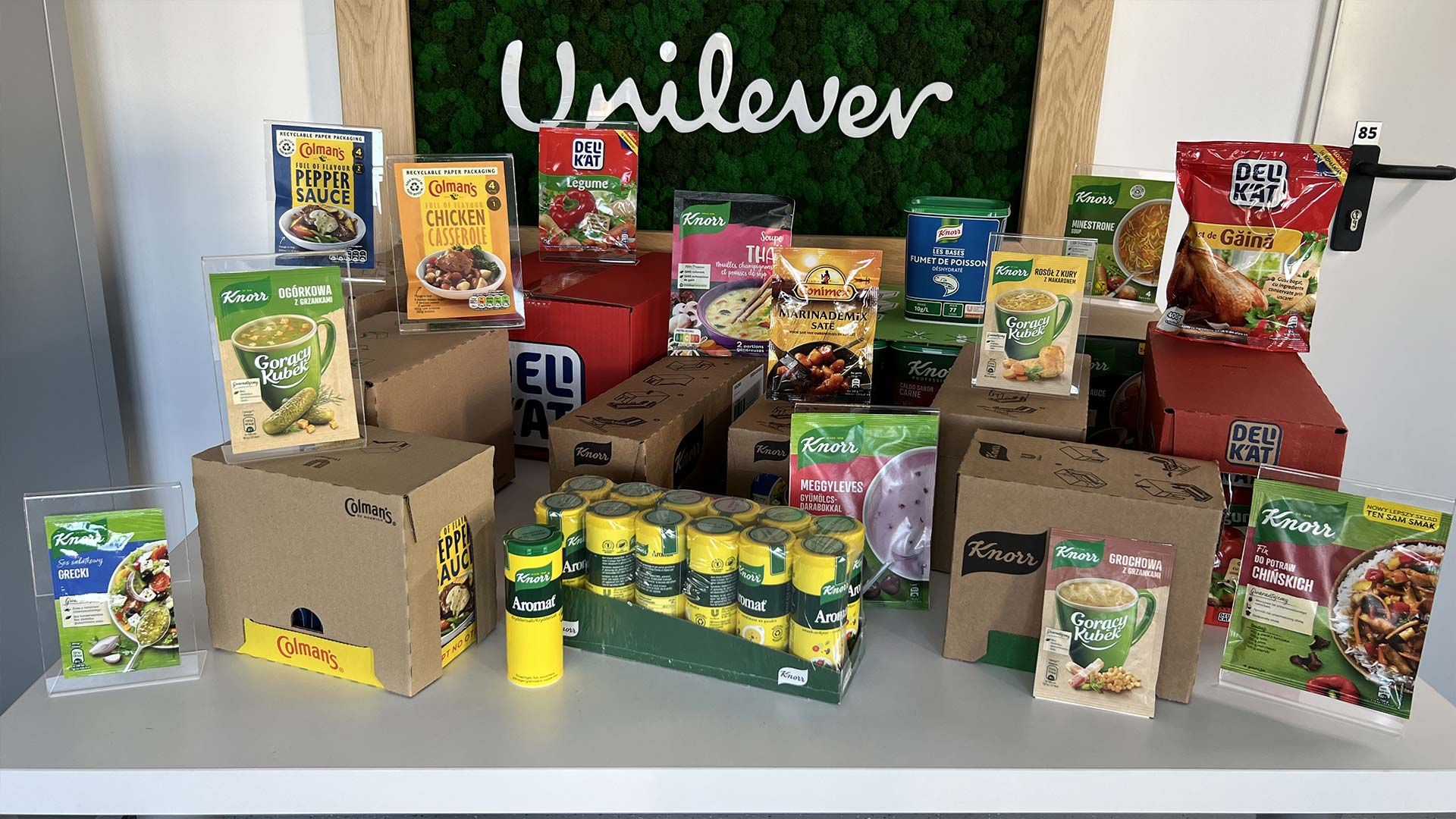
The brands affected by the wider transaction include McCormick's Schwartz range and Unilever's Knorr and Colman's businesses, all of which have established positions in British food retailing.
The CMA examined competition in dry cooking ingredient mixes, including products used to prepare meals such as chilli con carne, and dry sauces, including parsley sauce mixes.
Its investigation found that the proposed combination would bring together the two largest branded suppliers in both markets, creating a business substantially larger than the remaining competitors.
The regulator assessed whether the businesses compete closely and whether alternative suppliers could exert sufficient pressure on the combined organisation after completion.
Existing competitors include Nestlé's Maggi products in dry ingredient mixes and Premier Foods' Bisto range in dry sauces, alongside supermarket own-label products and other branded suppliers.
Although these competitors provide alternatives, the CMA concluded that their competitive influence is limited in the affected markets. The presence of several brands therefore does not automatically establish that the merger would preserve the existing level of competition.
The authority also examined prospects for new businesses entering the market or established suppliers expanding their operations.
Limited supermarket shelf space and the strong positions held by existing suppliers were identified as barriers to expansion. The CMA also found insufficient evidence of market growth that would make new entry or substantial expansion likely to constrain the merged business.
These findings concern the availability of competing products and the commercial relationships between branded suppliers and retailers. A supplier's bargaining position can be influenced by the scale of its product portfolio, retailer demand, consumer recognition, and the alternatives available within a category.
Dry ingredient mixes and sauces typically involve formulated combinations of ingredients that are blended, packed, and supplied under specifications concerning composition, quality, shelf life, and labelling.
Competition in these categories therefore includes the ability to develop products, manufacture them consistently, maintain distribution arrangements, and secure retail listings. However, the CMA's decision does not establish that production processes or manufacturing facilities will change as a result of the transaction.
The regulator evaluated a separate potential overlap involving mustard, where McCormick supplies American-style mustard under the French's brand and Unilever sells English and French-style products under Colman's and Maille.
Evidence from major supermarket customers indicated that consumers generally do not regard these styles as close substitutes. Retailers consequently have reasons to stock different types of mustard rather than treating them as interchangeable products.
The CMA concluded that English, French, and American-style mustards constitute separate product markets for its assessment. It found no meaningful competitive overlap between the parties' products within these categories.
Retailers also did not raise concerns that the combined business would use its position in one mustard category to disadvantage competitors in another. The regulator therefore identified no realistic prospect of substantially reduced competition in mustard.
The difference between the mustard assessment and the findings on dry mixes reflects the product-specific nature of merger control. Competition authorities examine whether products genuinely constrain one another through customers' purchasing choices, rather than relying solely on broad classifications such as sauces or condiments.
McCormick and Unilever announced the proposed food business combination earlier in 2026. The transaction requires approvals in relevant jurisdictions and remains conditional on the completion of the applicable regulatory processes.
The UK merger inquiry formally began on 16 September, following an earlier invitation for interested parties to comment on the potential effects of the transaction.
During its assessment, the CMA examined information supplied by the companies, their internal business documents, and evidence obtained from customers and competitors.
The regulator concluded that the evidence establishes a realistic prospect of a substantial lessening of competition through horizontal unilateral effects in dry ingredient mixes and, separately, dry sauces.
That assessment does not amount to a final finding that the transaction must be prohibited. It establishes competition concerns serious enough to require acceptable remedies or further investigation.
Undertakings in lieu of reference provide an opportunity to address specific competition issues without proceeding immediately to a full phase two review.
Possible structural remedies can involve the disposal of selected businesses or assets, although the CMA has not approved a remedy in this case. Any proposal would have to resolve the competition concerns identified in the affected markets.
Unilever has previously been marketing the Colman's brand and associated assets for sale, and the company says discussions with potential buyers are continuing. However, the CMA's findings on dry ingredient mixes and sauces mean that the adequacy of any proposed remedy will depend on the competitive overlap it actually removes.
A sale involving a particular brand cannot be assumed to resolve every concern without examining the products, assets, and commercial activities included in the disposal.
Both companies have indicated that they are engaging constructively with the CMA while continuing their wider regulatory approval processes.
If acceptable undertakings are not offered, the proposed transaction will be referred for further investigation under the Enterprise Act 2002.
A phase two investigation would examine the likely competitive effects in greater detail and consider the evidence concerning possible remedies. Depending on its conclusions, the process could result in clearance, conditional clearance, or prohibition.
The next immediate decision concerns the undertakings due by 18 November. Until the regulator has evaluated any proposals, the merger remains subject to unresolved UK competition approval.