IN Brief:
- Opal has officially opened a 27,233-square-metre carton manufacturing facility at Moorebank in south-west Sydney, backed by AU$70 million investment.
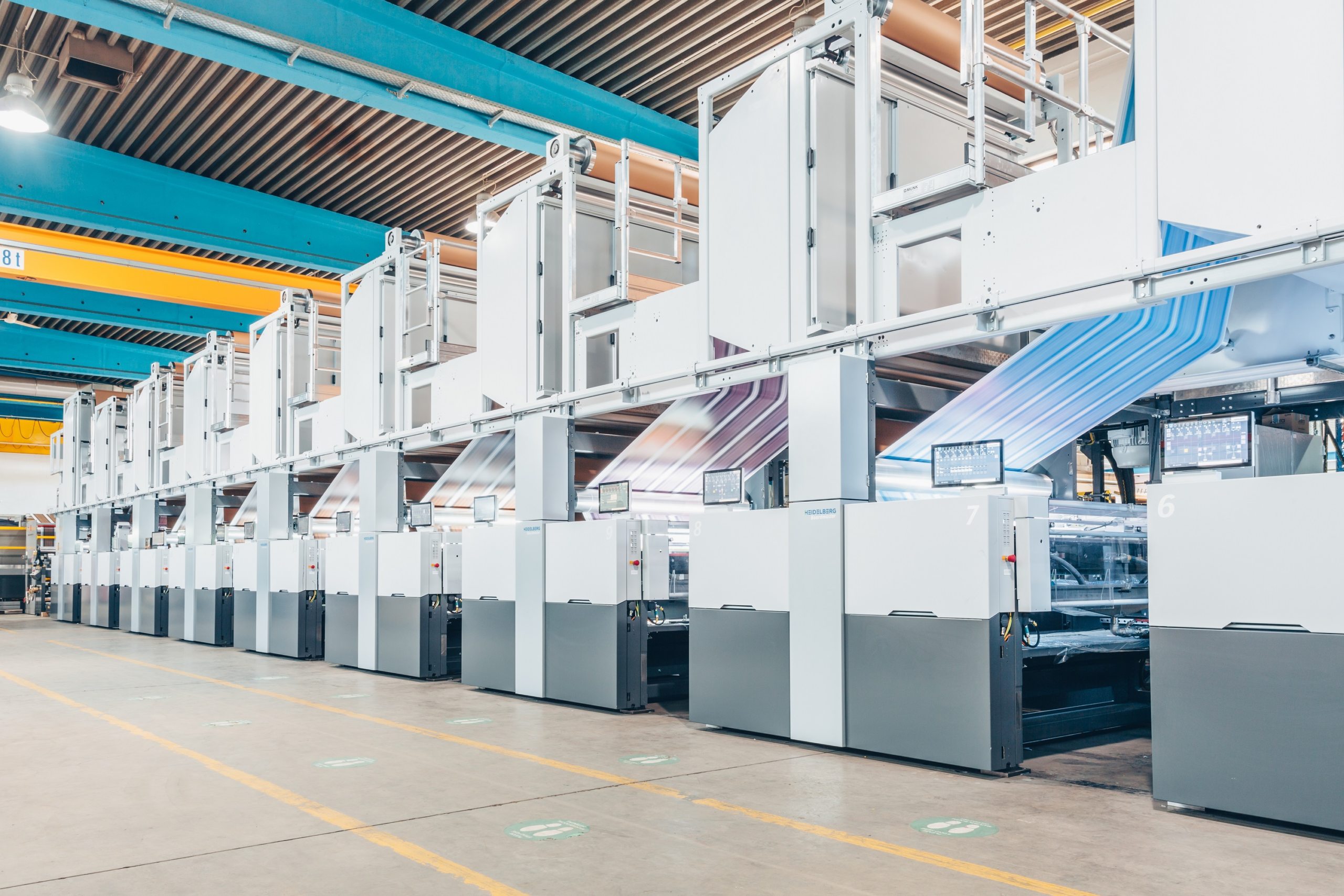
- Its Heidelberg Boardmaster flexographic press is rated at up to 600 metres per minute, with automated plate scanning and changeover controls.
- Opal says the press can limit changeover waste to less than 10 metres of board and expects around 1,557 containers by rail in 2027.
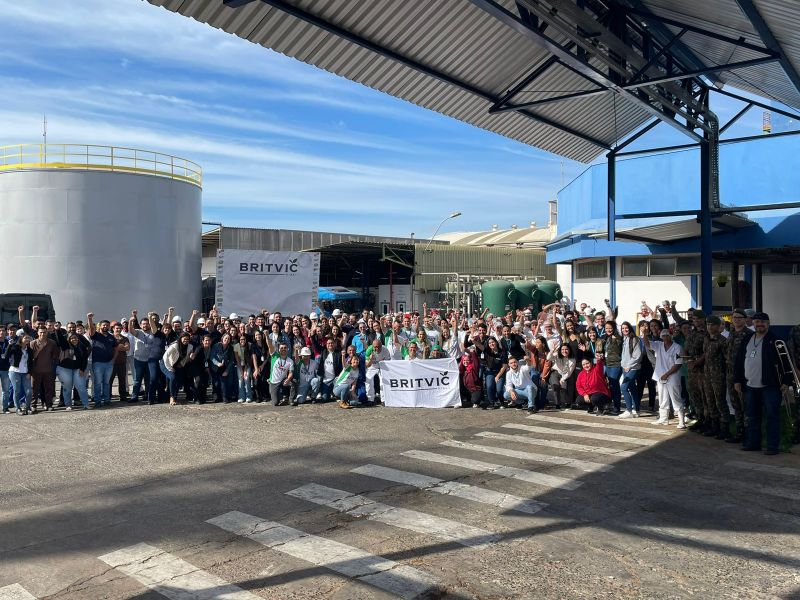
Opal has opened an AU$70 million folding-carton manufacturing facility in Moorebank, south-west Sydney, adding new printing and converting capacity for food-grade cardboard packaging. The purpose-built operation covers 27,233 square metres and contains a Heidelberg Boardmaster inline flexographic press. Its opening on 10 November follows earlier plans to move more carton production into a site connected to Sydney’s freight infrastructure.
The Heidelberg Boardmaster is rated for production at up to 600 metres per minute, and Opal describes it as Australia’s only installation of the model. Its automated plate-scanning and press-setting systems are intended to bring each print job into register with less operator intervention. The maximum running speed is an equipment specification, not the site’s reported average output: actual throughput will depend on the length and frequency of jobs, board requirements, and downstream conversion capacity.
Folding cartons are commonly printed on flat board before cutting, creasing, gluing and packing for transport to food processors or co-packers. A flexographic web press applies ink through flexible printing plates to a moving web of board, allowing repeated images to be printed continuously. The combination of print speed and controlled registration is particularly important when a customer requires consistent graphics across a large number of cartons that will pass through automatic forming and filling equipment.
Opal says the press uses automated job settings and AI-assisted plate scanning to help manage changes between designs. The company reports that the changeover technology is capable of cutting board waste to less than 10 metres, an improvement of up to 90% against its comparison. That is a stated capability rather than a measured, site-wide waste result. In web-fed printing, waste accumulates while colour and register settle at the beginning of a job; more consistent press set-up can reduce this transition without changing the finished carton specification.
Changeover efficiency has a direct bearing on the economics of printed food packaging. A press may produce large quantities at its maximum speed, but short production orders require it to stop or transition between different artwork, colours and board specifications more often. Each adjustment can consume substrate before stable colour and registration are achieved. Reducing that material loss gives a converter more scope to accommodate varied orders without simply increasing the volume of packaging held in inventory.
The site is described as certified for food-safe manufacturing, although the announcement does not specify the certification standard or establish that every board and ink combination is approved for direct food contact. Packaging intended to hold unpackaged food requires an assessment of coatings, inks, adhesives, barriers, migration and anticipated conditions of use. Secondary cartons used around sealed primary packs can present different exposure conditions. Customers will still need to qualify their exact packaging structures for the food and filling operation concerned.
Brad Hinds, Opal’s chief executive for packaging, described a more flexible local manufacturing offer. He said: “For our customers, it means greater flexibility, reliable supply and the ability to develop new packaging solutions as their needs evolve.” The opening details do not specify contracted annual carton volumes or a production ramp-up schedule. The new capacity therefore establishes the equipment available to converters and customers, while recurring commercial throughput will depend on orders and successful operation across different board grades.
The facility uses drying equipment with heat recovery and is configured for water-based inks. Drying removes water from the printed web before later operations can proceed without set-off or damage to the print surface; captured heat may be reused elsewhere where temperatures and process demand permit. Opal says Moorebank consumes less electricity than the factory it replaces and does not use natural gas. The company has not disclosed comparable electricity figures, operating hours or total energy intensity, so the claimed change cannot yet be expressed as a verified percentage reduction.
Moorebank’s freight arrangements are tied to the nearby intermodal precinct, which has rail connections towards Port Botany. Opal expects approximately 1,557 twenty-foot containers of board to arrive by rail in 2027. This is a forward estimate, not a delivery total achieved at opening. The arrangement should allow a share of imported or port-handled raw material to enter the site without a long road journey, but neither the expected truck movements avoided nor the total emissions effect was quantified in the company’s announcement.
The new site sits alongside Opal’s Orchard Hills Centre of Excellence, which undertakes packaging development including recyclable produce punnets using a cellulose-based window. The two operations have different roles: product design and development at one location, and industrial carton production at the other. A new print capability can help shorten the passage from approved artwork to finished cartons, although printing performance still needs to be coordinated with die cutting, gluing, quality inspection and customer packing-line requirements.
The 27,233-square-metre plant brings the Boardmaster, automated changeovers, and food-grade carton production into an operation linked to intermodal freight infrastructure. Annual carton tonnage, staffing additions, and a full ramp-up timetable have not been disclosed. Once the press is processing commercial orders, job change frequency, saleable yield, and the capacity of cutting and gluing equipment will determine how much of its rated print speed can be converted into finished packaging. The opening establishes the investment and installed capability; operating results will provide the next measure of its performance.