IN Brief:
- COPA-DATA will exhibit zenon at interpack 2026 in Düsseldorf from 7 to 13 May.
- The company is focusing on flexibility, data integrity, modular production and standards-based automation for packaging and process industries.
- Food and beverage relevance centres on HMI adaptability, Plug & Produce, OEE visibility and legacy system modernisation.
COPA-DATA is heading to interpack 2026 with a focus on the software layer behind packaging and process flexibility, using the event to present its zenon platform as a route to more modular, data-rich and standards-aligned production environments. The trade fair runs in Düsseldorf from 7 to 13 May.
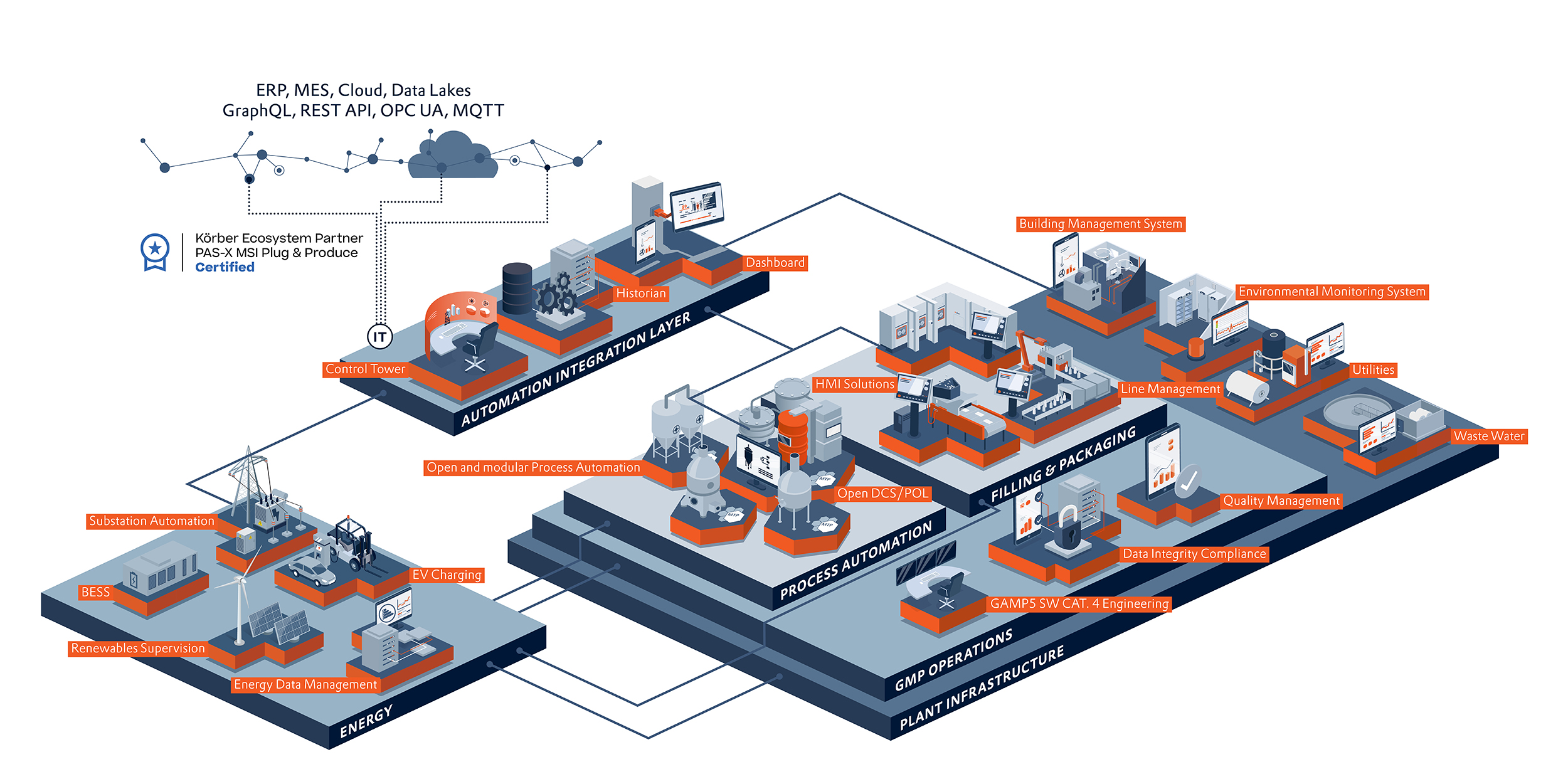
The company’s emphasis is not on a single packaging application, but on the architecture that links machines, lines and plant data. COPA-DATA said zenon is designed to address recurring pressures around performance, quality, flexibility and data integrity, all of which have become more acute as producers manage tighter compliance requirements, faster changeovers and more variable production demands.
For food and beverage operations, the most relevant elements are likely to be the platform’s support for established industrial standards and its ability to adapt to mixed environments. COPA-DATA said zenon supports Module Type Package, OMAC PackML and Weihenstephan standards, providing a framework for interoperable control and data exchange across packaging and process assets.
The interpack programme will also include demonstrations of HMI functionality, modular production tools and Plug & Produce capability. These areas are increasingly relevant where lines need to be reconfigured without lengthy commissioning cycles, or where OEM equipment has to be integrated into wider plant systems without extensive redevelopment around it.
The company is also using the show to highlight digital twins, orchestrated production lines, predictive maintenance and real-time analysis of overall equipment effectiveness. Those themes are now familiar across packaging and food manufacturing, but their value depends on how effectively they are tied back to everyday operating environments rather than treated as stand-alone digital projects.
Legacy systems form part of that discussion. Many food plants remain brownfield operations, and software value increasingly depends on whether existing assets can be modernised without a full replacement cycle. COPA-DATA said compliance, sustainability reporting and legacy integration will all feature at the stand, alongside examples presented with system integrator ControlTech Engineering.