IN Brief:
- Coperion’s twin-screw extrusion and EcoFresh degassing process has received FDA confirmation for direct food-contact rHDPE and rPP.
- The technology covers throughputs up to 6,000kg/h and allows recycled material to be used in food packaging at up to 100% content.
- The approval strengthens the move toward higher-value recycled polymers as food packaging regulation and recycled-content demand tighten.
Coperion has received confirmation from the US Food and Drug Administration that its recycling technology for high-density polyethylene and polypropylene meets direct food-contact requirements, extending the range of recycled polymers available for food packaging applications.
The FDA Letter of No Objection covers a process combining Coperion twin-screw extruders with the company’s EcoFresh silo degassing system. The confirmation applies to recycled HDPE and recycled PP, two polymer streams that have historically been more difficult to return into direct food-contact packaging than bottle-grade PET.
Designed for throughputs from smaller installations up to 6,000kg/h, the system gives recyclers and packaging producers a route to scale production of food-grade regranulate. Coperion has secured validation for the full process chain, with decontamination performance depending on the combination of extrusion, melt treatment, filtration, granulation, and post-extrusion degassing.
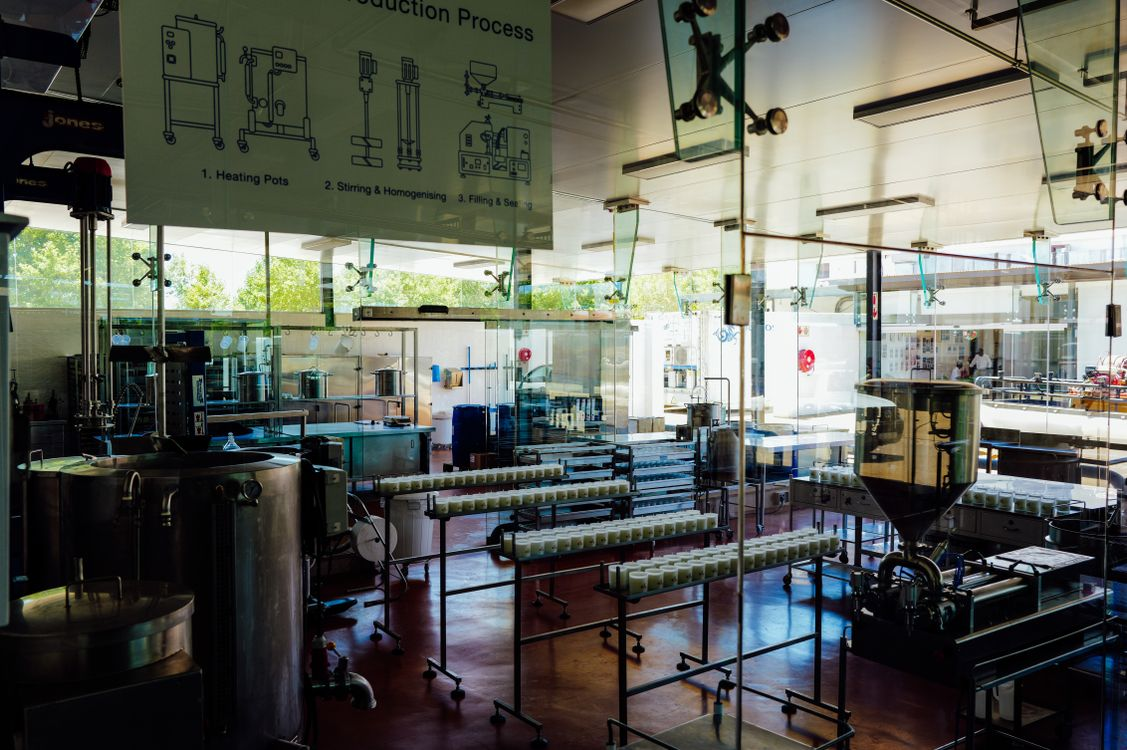
The process uses Coperion K-Tron gravimetric feeders to introduce material into the extruder, where the plastic is melted, mixed, homogenised, and degassed. Solid contaminants are removed through melt filtration before the material is pelletised and passed through the EcoFresh degassing stage for further decontamination. The system was tested using challenge-test conditions, with performance confirmed against FDA requirements.
The approval creates new possibilities for closed-loop and near-closed-loop food packaging streams. HDPE milk bottles, fruit juice bottles, caps, yoghurt pots, vegetable trays, food containers, cups, bowls, and other PP formats can be processed into material suitable for new food-contact packaging, provided incoming material streams and downstream controls meet the required specification.
Food-grade recycled plastic has become one of the most technically sensitive areas of packaging development. Recyclability on its own does not produce food-contact feedstock. The recovered material must pass through collection, sorting, cleaning, decontamination, and quality assurance processes capable of producing resin that is safe, consistent, and auditable.
That challenge is especially demanding for polyolefins, where mixed-use collection streams can bring higher contamination risk than deposit-return PET bottle loops. Sweden’s deposit return system has already shown the role that traceable sorting can play, with Returpack/Pantamera gaining RecyClass certification for food-safe PET bottle sorting. Coperion’s clearance addresses a different material stream, but both developments point toward the same shift: packaging-grade recycling now depends on verified material pathways, not broad collection targets.
The practical impact for food packaging producers will rest on material availability and economics. A technology clearance does not guarantee plentiful food-grade rHDPE or rPP supply. Recyclers still need controlled input streams, sorting discipline, washing capability, documentation, and customers prepared to pay for higher-grade recycled resin.
Wider regulation is altering that investment case. Extended Producer Responsibility, recycled-content targets, and the EU’s Packaging and Packaging Waste Regulation are making packaging composition a financial and compliance issue. Businesses already using EPR assessments to reduce packaging costs will increasingly need to weigh recyclability, recycled content, and food-contact performance together.
Food packaging places narrow limits on inconsistency. Recycled polymers must perform through filling, sealing, transport, chilled storage, freezing, heating, shelf display, and consumer use, while staying within migration and contamination limits. Variability can show up as odour, colour shift, mechanical weakness, sealing problems, or regulatory risk.
Coperion’s FDA confirmation gives recycling and packaging businesses a stronger technical base for higher-value polyolefin loops. As food packaging moves beyond simple recyclability claims, more systems will need to convert recovered material into safe, usable packaging feedstock. Food-grade rHDPE and rPP are becoming part of the next phase of circular packaging infrastructure.