IN Brief:
- FDF says heatwaves and drought are reducing fruit, vegetable, and grain availability across Britain and Europe.
- Environment Agency data shows 71.3% of England was in drought by 10 August.
- Food manufacturers face consequences for ingredient price, specification, sourcing, process performance, and production planning.
The Food and Drink Federation (FDF) has warned that heatwaves and drought across the UK and Europe are reducing supplies of fruit, vegetables, and grain, adding another source of ingredient volatility for food manufacturers heading into 2027.
The warning comes after the Environment Agency said 71.3% of England was in drought on 10 August following the driest July in 190 years and an exceptionally dry start to August. Forty-five million people were within drought areas, while no English region remained at normal water-resource status.
The manufacturing concern extends beyond supermarket prices. Reduced harvests, greater variation in crop quality, water restrictions, and changing availability can alter the raw-material specification reaching factories, requiring procurement and technical teams to respond while production schedules and customer specifications remain fixed.
Dr Liliana Danila, chief economist at the FDF, said: “Competition for fewer resources will in turn push up the price of ingredients for manufacturers.”
The federation expects reduced agricultural supply to add upward pressure to food prices into 2027. Manufacturers enter that period with little isolation from other costs: FDF’s first-quarter State of Industry research found 82% of respondents expected to increase prices as energy, transport, plastic packaging, and other operating costs rose.
Lower yields can become different factory behaviour
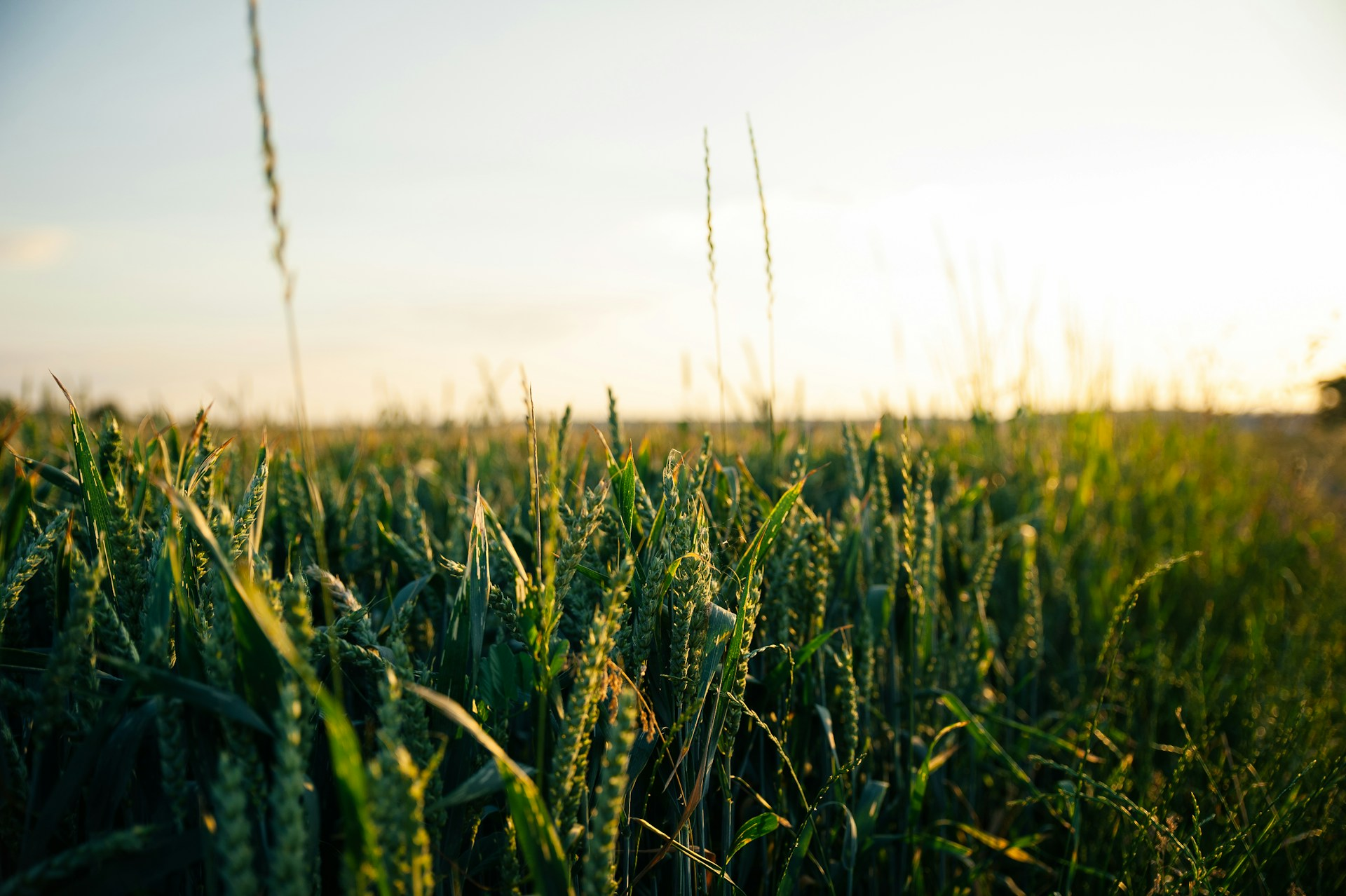
Grain shows why the issue cannot be reduced to headline tonnage. AHDB’s winter-wheat Recommended List results published on 10 August put average control yields across 14 fungicide-treated trials at 10.01 tonnes per hectare, 1.08 tonnes below the five-year average of 11.09 tonnes.
AHDB has cautioned against treating the early trials as the final national result because 16 treated sites are still to report, including areas farther north where rainfall and temperatures have differed. The results nevertheless provide a current measure of the pressure dry conditions have placed on the crop in many of the regions harvested first.
For flour milling and downstream food processing, tonnes are only one part of the specification. Protein, moisture, specific weight, Hagberg falling number, contamination, and other quality characteristics determine where wheat can be used. Variability therefore changes blending, storage, purchasing, and production decisions even when grain remains physically available.
A bakery may see the consequence through water absorption and dough behaviour; a brewer through extract and process consistency; a cereal or starch manufacturer through yield and functional performance. Plants can compensate for changing raw materials, but doing so requires laboratory data, recipe control, supplier communication, and sometimes adjustments to line settings.
Fruit and vegetables create a different version of the same problem. Size, maturity, dry matter, sugar concentration, colour, acidity, texture, and water content influence industrial peeling, cutting, cooking, juicing, freezing, and filling. A harvest can remain saleable while producing different yields or running differently through machinery.
Seasonality reduces the time available to respond. A shortfall in a crop harvested over a limited window cannot always be replaced later in the year, particularly where processors need a particular variety or local origin. Alternative sourcing may protect volume, but it can introduce new lead times, freight costs, supplier approvals, country-of-origin considerations, and technical validation.
Water scarcity reaches both sides of production
Agricultural water pressure compounds the ingredient problem. Dry weather has brought abstraction restrictions, high irrigation demand, and pressure on reservoirs, reducing growers’ flexibility at the point crops need water most. Those conditions affect the quantity and quality of raw material before it reaches the food plant.
Manufacturers then have their own water requirement. Cleaning and disinfection, steam, cooling, ingredient make-up, boilers, evaporative systems, and hygiene can make water a critical utility depending on the process. The exposure varies by region and product, but prolonged drought means production sites increasingly have to consider water resilience alongside energy and other utilities.
High ambient temperatures can add another load at the same time. Chilled and frozen plants need refrigeration systems to reject heat against hotter external conditions, while incoming milk, meat, produce, and other temperature-sensitive materials still have to be brought rapidly into controlled storage. Higher cooling demand can therefore coincide with tighter raw-material supply and higher energy requirements.
Procurement teams have several possible responses, none of them free of risk. Forward purchasing can protect availability but lock in price. Alternative origins can preserve volume while adding freight, currency, and approval exposure. Wider tolerances may improve sourcing flexibility but have to remain compatible with food safety, quality, and finished-product specifications.
Reformulation is another option where a constrained ingredient is not technically indispensable, but changes can trigger shelf-life, allergen, nutritional, sensory, labelling, and line-validation work. A shortage can therefore generate engineering and technical workload well before it produces an empty supermarket shelf.
The FDF warning lands at the point when manufacturers are planning autumn and 2027 requirements against a crop picture that is still developing. The immediate question is no longer simply how much wheat, fruit, or vegetables will be harvested. Factories need to know how much material of the required specification will be available, from which origin, at what cost, and how differently it may behave when it reaches the line.