IN Brief:
- The European Parliament has backed reforms intended to strengthen farmers’ position in the food supply chain.
- The package includes pricing benchmarks, mandatory dairy contracts, and tighter controls around meat-related terminology.
- Processors, retailers, dairy buyers, meat suppliers, and alternative protein producers face a sharper compliance environment if the package receives final Council approval.
The European Parliament has backed reforms designed to strengthen farmers’ position in the EU food chain while tightening rules around meat-related product terminology.
MEPs voted in favour of measures requiring member states to publish online pricing benchmarks for use in agricultural contracts, giving farmers and buyers a clearer reference point during negotiations. The reforms are intended to make pricing reflect production costs more accurately and reduce imbalances between primary producers and downstream food businesses.
The package also introduces clearer rules for sustainability and fairness-related marketing claims. Terms such as “fair” and “equitable” would be tied to defined criteria, including contribution to rural development and support for farmer organisations. That puts more weight on documented proof behind agricultural and food-chain claims, rather than allowing broad language to sit unsupported on pack, in tenders, or in customer-facing material.
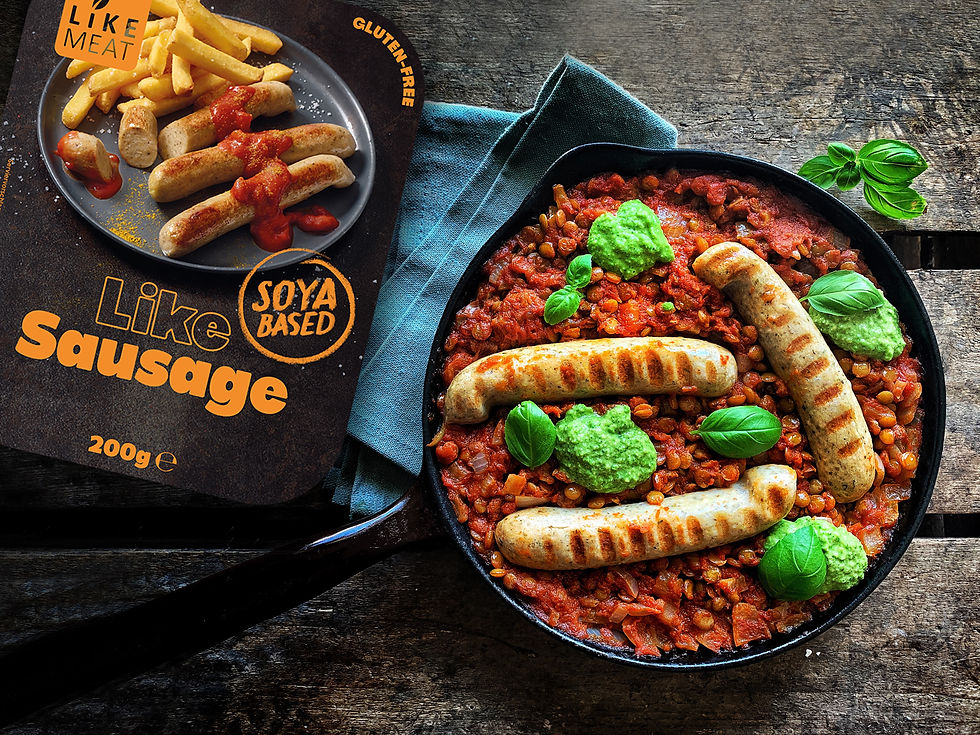
One of the most contested elements is the proposed approach to meat-related terminology. The text establishes meat as “edible parts of animals” and reserves terms including “steak,” “bacon,” “sirloin,” “ribeye,” “chicken,” “pork,” and “lamb” for products derived from livestock. The restriction also applies to lab-grown and cell-cultivated products, preventing cultivated meat from using the same terminology in the EU market.
Meat processors would gain stronger legal protection for traditional product names, while alternative protein manufacturers would face a more complicated labelling and product architecture problem. Product names affect pack design, specifications, retailer range architecture, menu labelling, export preparation, and the language used in technical documentation. A change in permitted terminology can therefore travel well beyond marketing departments.
The dairy sector is also given specific treatment under the proposed framework. Mandatory written contracts would become a more prominent feature of milk supply agreements, with provisions covering price indicators, revision clauses, and opt-out mechanisms. Dairy processors already operate inside a volatile raw milk market, and a more formalised contractual structure would put additional emphasis on pricing transparency, long-term supply planning, and evidence-based negotiation.
The reforms sit alongside wider European work on food and feed controls, including the separate simplification package now moving through the EU system. The related food and feed safety simplification proposals cover official controls, animal records, pesticide rules, and food-contact materials, adding to the sense that informal practice across the food chain is being squeezed out by more explicit compliance duties.
The practical effect will depend on the final text and national implementation, although the direction is already clear. Pricing benchmarks could alter how raw material contracts are discussed. Meat terminology restrictions could force new naming conventions for plant-based and cultivated products. Fairness and sustainability claim rules could require more structured evidence from sourcing, procurement, quality, and legal teams.
The alternative protein sector will watch the Council stage closely. The EU has been a major market for plant-based innovation, fermentation-derived ingredients, and cultivated technology development, but the commercial success of those categories depends partly on how easily shoppers understand product function. Removing familiar terms may push brands towards more descriptive language, although that risks longer product names and less direct comparability at point of sale.
Traditional processors should not treat the package as a simple regulatory gain. Stronger rules around farmer income, fair pricing, and contract transparency could increase pressure on buyers across meat, dairy, cereals, and fresh produce. Large processors and retailers may face more scrutiny over how raw material costs are reflected in purchasing agreements, particularly where producer groups argue that prices fail to cover production realities.
The Council of the European Union still needs to give formal approval before the reforms can take effect. If adopted, the package would add another layer to the compliance work already building across traceability, sustainability, deforestation, food-contact materials, animal welfare, and product labelling. Food businesses can begin by mapping where the rules would touch contracts, product names, supplier communications, and claim substantiation, because the operational work rarely waits politely for the legal deadline.