IN Brief:
- EU member states have approved maximum levels for mineral oil aromatic hydrocarbons in food.
- Most limits are intended to apply from January 2027, with later deadlines for specified products.
- Manufacturers will need to examine packaging, lubricants, processing equipment, transport, storage, and ingredient supply routes.
European food manufacturers face binding limits on mineral oil aromatic hydrocarbons after member states approved maximum levels covering a wide range of products.
The measures received favourable support at the Standing Committee on Plants, Animals, Food and Feed on 13 May 2026. Formal adoption is targeted for October, subject to scrutiny by the European Parliament and Council, while most limits are expected to apply from 1 January 2027.
The European Commission is preparing associated sampling and analytical rules alongside an updated recommendation covering the continued monitoring of mineral oil aromatic hydrocarbons, known as MOAH, and mineral oil saturated hydrocarbons, or MOSH.
MOAH describes a complex group of aromatic hydrocarbon compounds rather than a single contaminant. Regulatory concern centres on fractions that may contain genotoxic carcinogens, while current analytical techniques cannot always identify the individual compounds carrying the greatest toxicological significance.
Limits will vary according to the fat content and characteristics of the food. Baseline thresholds include 0.5mg/kg for dry foods containing no more than 4% fat or oil, 1mg/kg for products containing more than 4% and no more than 50%, and 2mg/kg for fats, oils, and foods containing more than 50% fat.
Deferred application dates of 2028 or 2030 will apply to specified products where available data indicate that the lower limits cannot yet be achieved consistently through good manufacturing practice. Those transitional arrangements do not remove the need to investigate contamination or reduce levels wherever technically possible.
Mineral oil hydrocarbons can enter food at several points between agricultural production and final packing. Potential sources include lubricants and hydraulic oils used around processing equipment, environmental contamination, harvesting and drying machinery, treated sacks, transport containers, recycled paper and board, printing inks, adhesives, and contaminated ingredients.
Finished-product testing can identify an affected batch, but it provides little information about the route through which contamination occurred. Results may also vary between raw-material origins, packaging suppliers, storage periods, production campaigns, and equipment conditions, leaving factories exposed if sampling is treated as the sole control.
Controls extend into engineering and procurement
Raw-material specifications will need to define acceptable MOAH levels, analytical methods, notification requirements, and the responsibilities that follow an out-of-specification result. Where ingredients have passed through growers, processors, traders, warehouses, and hauliers, supplier records must provide enough detail to trace likely sources rather than ending at the immediate vendor.
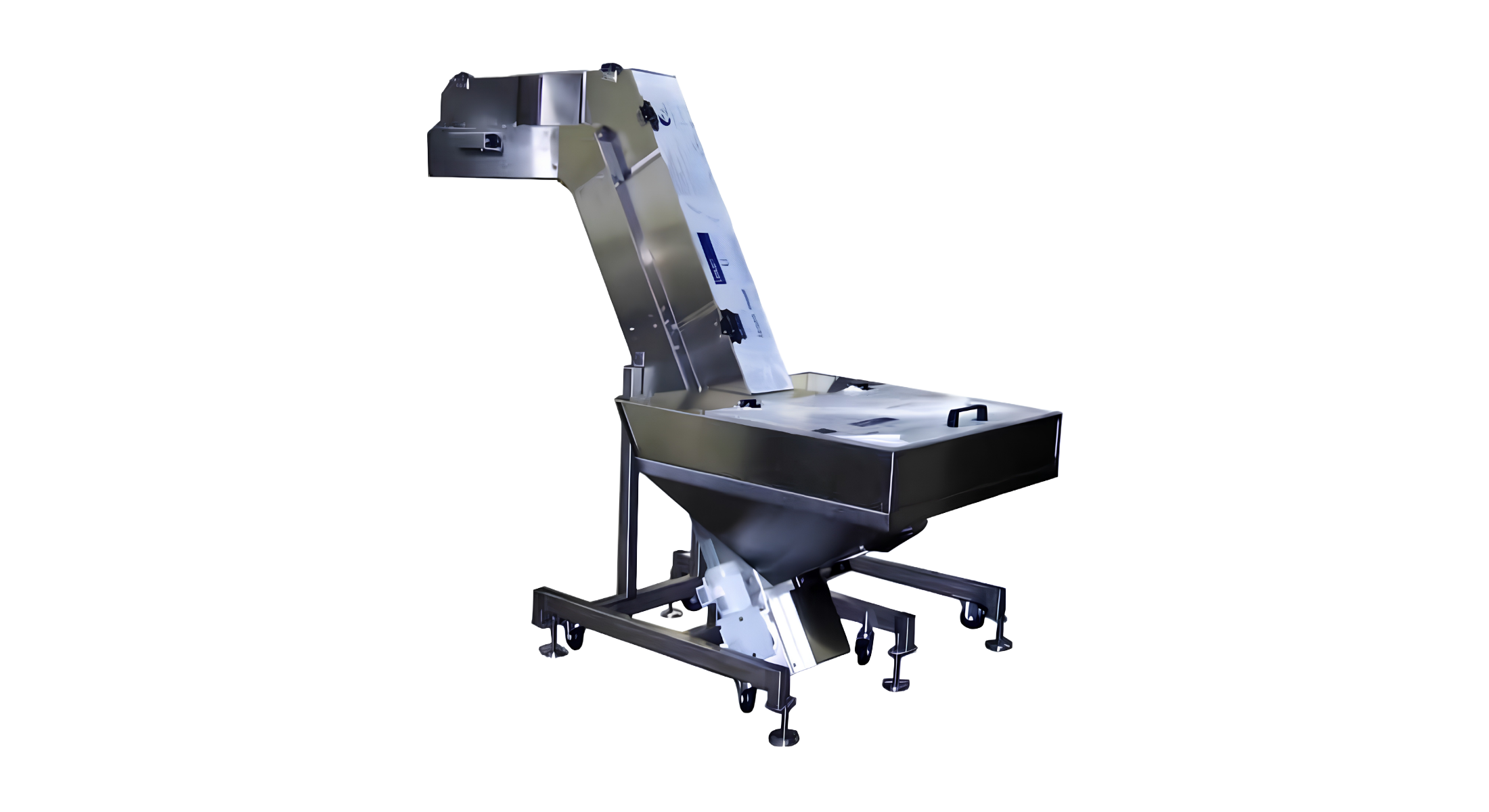
Lubricant control requires comparable precision. Selecting a product described as food grade does not establish whether it is being applied at the correct point, in the correct quantity, or under conditions that prevent contact with exposed food. Bearings, gearboxes, seals, chains, and hydraulic systems positioned above open product deserve particular scrutiny.
Engineering records should connect each approved lubricant with its application point, servicing interval, quantity, and maintenance history. Leaks, damaged seals, excess application, and emergency repairs need documented corrective action, especially where equipment cannot be isolated fully from the product zone.
Packaging brings a separate set of variables because mineral oils can migrate from recycled fibre, inks, and other pack components. Barrier design, storage time, temperature, food composition, and the construction of the complete pack influence migration, so a declaration covering an individual material may not establish the performance of the finished format.
Manufacturers using recycled paper or board will need evidence that functional barriers remain effective throughout the intended shelf life. Changes in board grade, supplier, ink, adhesive, or pack geometry may require reassessment rather than being handled as routine purchasing substitutions.
Laboratory capability will also shape compliance. MOAH analysis requires specialist sample preparation and methods capable of separating mineral oil fractions from naturally occurring hydrocarbons and other interfering substances. Results close to a legal limit will require agreed procedures for interpretation, retesting, stock control, escalation, and customer notification.
The available transition period allows manufacturers to build baseline data before the limits take effect. Sampling should establish which foods, suppliers, packaging formats, and production routes contribute most to exposure, while laboratory reviews should confirm that limits of quantification are suitable for the applicable threshold.
Where repeated testing identifies a pattern, preventive action will usually be more reliable than increasing the number of finished-product samples. Replacing a packaging material, repairing a leak, changing a lubricant application method, or improving upstream storage can remove the source rather than repeatedly detecting its consequences.
The regulatory programme places MOAH control across technical, engineering, procurement, packaging, quality, and supply chain functions. Numerical limits will determine compliance, but the consistency of the result will depend on equipment condition, ingredient history, packaging design, and the quality of records moving between companies.