IN Brief:
- The European Commission has increased official checks on tahini and halva from Syria because of Salmonella non-compliance.
- Sesame-based ingredients remain exposed to microbiological risk, cross-border traceability pressure, and border-control delays.
- Manufacturers using imported high-risk ingredients need stronger documentation, testing, supplier approval, and contingency planning.
The European Commission has tightened import controls on tahini and halva from Syria after continued Salmonella non-compliance in sesame-based products entering the European Union.
The change forms part of the EU’s risk-based control system for food and feed of non-animal origin from third countries. Products and origins can be moved into tighter checks where official controls, border inspections, RASFF notifications, or other evidence point to elevated contamination risk. The affected sesame products sit within a wider control framework covering microbiological contamination, mycotoxins, pesticide residues, Sudan dyes, plant toxins, ethylene oxide, and other hazards.
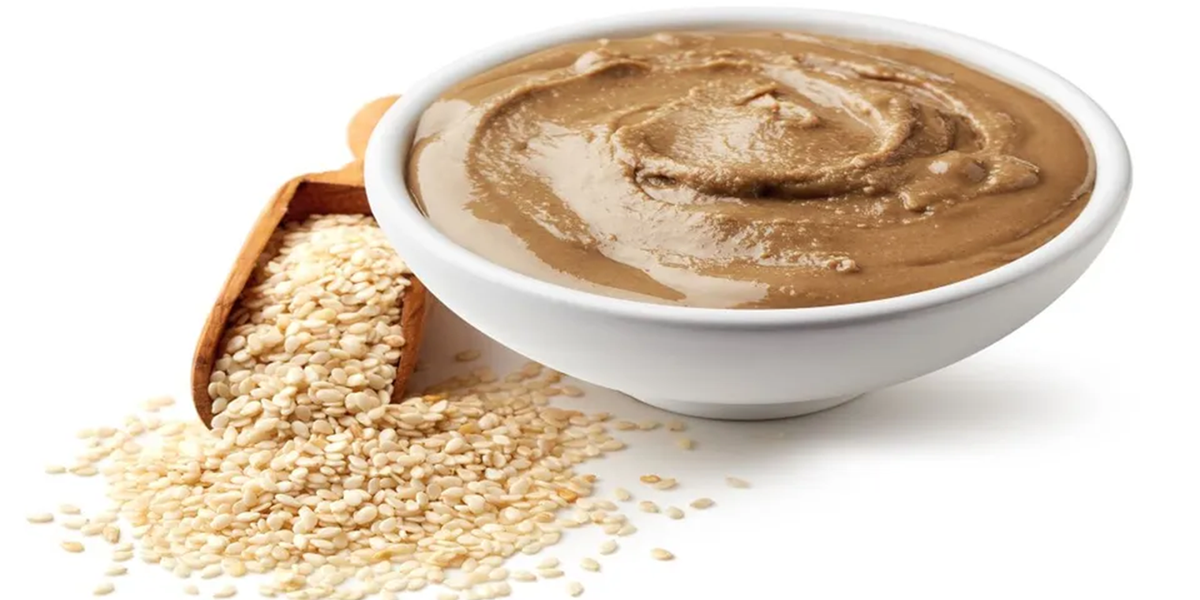
Tahini and halva are not isolated niche products. Sesame paste and sesame-based confectionery ingredients move into bakery fillings, sauces, dips, chilled prepared foods, sweet spreads, snack products, confectionery, foodservice systems, and private-label applications. Changes in import-control frequency can therefore travel quickly through ingredient buyers, manufacturers, co-packers, distributors, and retailers.
Increased identity and physical checks can affect clearance times, testing demand, document workflows, stock planning, and supplier assurance. Even compliant consignments may face slower movement if certificates, sampling records, lot codes, or origin details are incomplete. Shorter shelf-life products feel those delays quickly, while ambient ingredients can still disrupt production schedules when the manufacturing plan depends on precise inbound timing.
Sesame has a long food-safety history in Europe. Previous outbreaks linked to sesame-based products have shown how contamination can travel through multi-country supply chains and appear in finished foods where the ingredient is only one part of a wider recipe. Once an ingredient stream is linked to Salmonella, the control task becomes a rapid connection of origin, supplier, processor, importer, distributor, customer, and final product records.
A wider analysis of high-risk food import controls has already shown the range of ingredients now exposed to shifting border-control requirements, including sesame products, nuts, spices, hydrocolloids, and other materials. The latest tahini and halva action underlines the same direction: European border controls are becoming a live operational variable for procurement, technical, and production teams.
The processing challenge is sharpened by the way sesame ingredients enter finished products. Sauces, dips, confectionery fillings, bakery decorations, chilled meals, and ready-to-eat formats may not receive a kill step after inclusion. Where an ingredient is mixed into a product after thermal treatment, manufacturers inherit the microbiological risk of the raw material almost directly.
Supplier approval therefore has to reach beyond price, capacity, and basic specification. Businesses using tahini, halva, sesame paste, sesame seeds, or derived ingredients should be assessing origin exposure, pathogen controls, sampling plans, validated treatments, cleaning standards, storage conditions, and recall capability. Documentation has to stand up during an incident, when customers and authorities may ask for batch-level evidence within hours.
Testing strategy remains difficult because Salmonella contamination may be unevenly distributed in a lot. Negative results cannot automatically remove all risk. Sampling plans need to reflect the hazard, supplier history, intended use, and product category, while supplier certificates, own testing, historical performance, audit findings, and border-control data all need to be read together rather than treated as separate assurances.
Alternative sourcing plans are becoming more valuable as import controls shift. A manufacturer with a single approved route for sesame-derived ingredients can face immediate production exposure if border checks slow consignments or a supplier is linked to non-compliance. Dual sourcing, safety stock, and formulation flexibility carry cost, but the cost of a line stoppage or product withdrawal can be higher.
Regulatory movement around high-risk imports is likely to remain active because the EU control system is designed to adjust as product and origin performance changes. Ingredient buyers will need to monitor official control updates, supplier countries, hazard trends, and RASFF signals as part of manufacturing resilience. The smallest ingredient in a recipe can still determine whether a finished product is safe, legal, and available when the production plan says it should be.