IN Brief:
- Folbb has introduced Excellent Top Pure Oven Freeze Grease III for frozen food products cooked directly in ovens or microwaves.
- The cartonboard is designed for heat resistance, grease protection, moisture stability, and direct food-contact use.
- The launch reflects rising demand for fibre-based packaging that can withstand freezer-to-oven supply chains.
Folbb has introduced a high-performance cartonboard application for frozen and oven-ready food products, extending fibre-based packaging into formats traditionally dependent on plastic coatings, laminates, or trays.
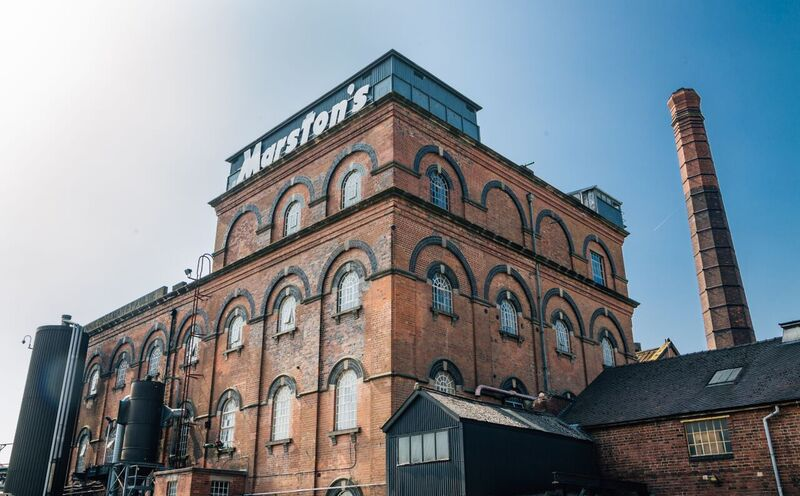
The new material, Excellent Top Pure Oven Freeze Grease III, is designed for products that can move from frozen storage into oven or microwave cooking. Produced at Folbb’s Baiersbronn mill, it combines heat resistance, grease protection, and moisture stability in a virgin fibre cartonboard.
The board has been developed for food formats where packaging must remain stable through freezing, distribution, storage, and high-temperature cooking. It is designed to withstand oven use at up to 200°C for 60 minutes or 220°C for 30 minutes, as well as microwave heating at 800 watts for up to five minutes.
Folbb has specified the material without optical brightening agents or intentionally added PFAS. It is also designed to reduce reliance on additional polyethylene or polyethylene terephthalate barrier layers, which can make packaging harder to recycle and complicate end-of-life sorting.
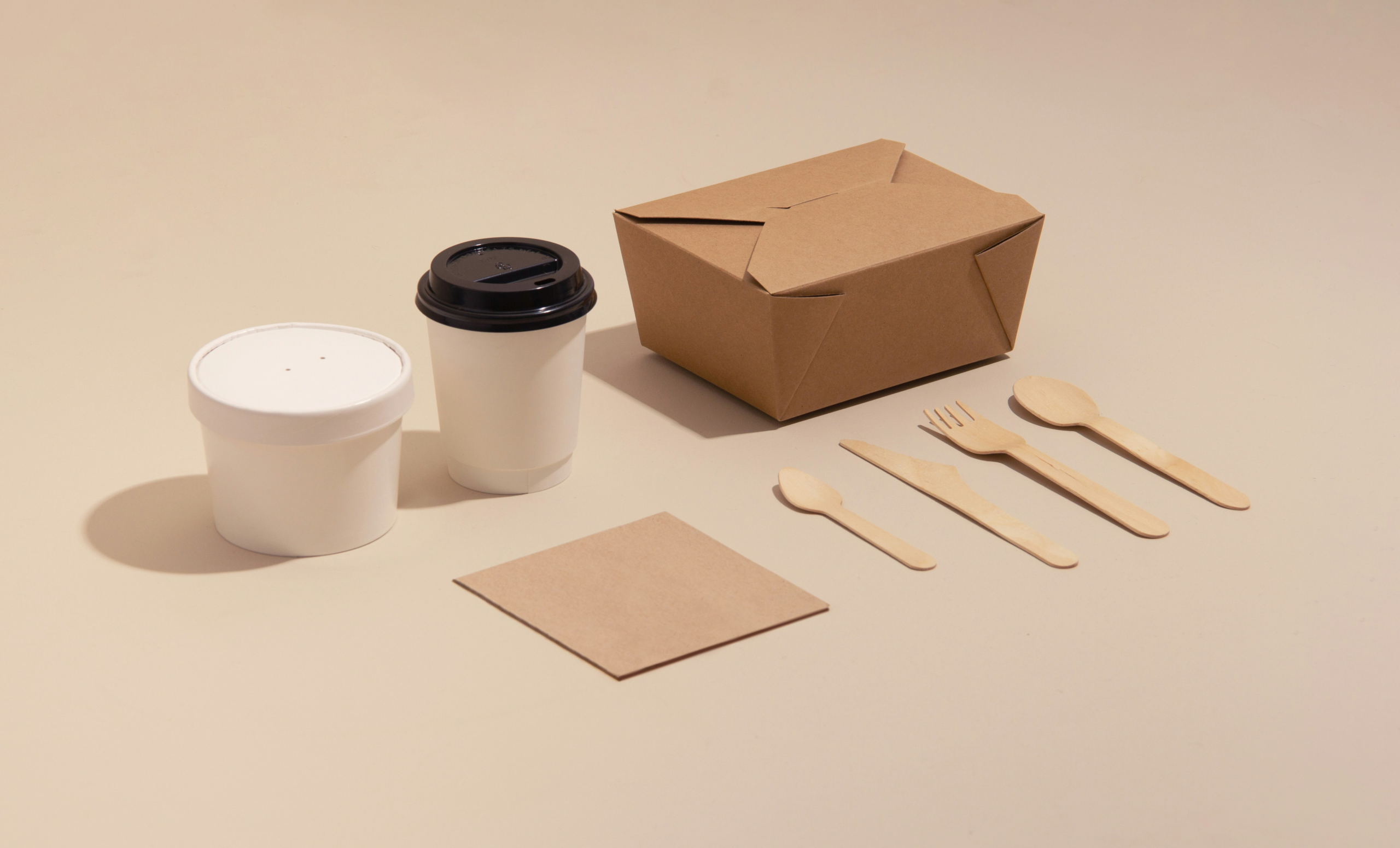
The target applications include frozen meals, oven-ready foods, bakery products, and takeaway packaging where structural integrity, grease control, and heat performance are essential. In these categories, packaging must protect the product, support cold-chain performance, survive cooking conditions, maintain appearance, and remain compliant for direct food contact.
Frozen food presents a difficult test for paperboard innovation. Deep-frozen packs face moisture, condensation, temperature fluctuation, abrasion in transport, and freezer handling before being exposed to fats, sauces, and heat during preparation. A board that performs well in ambient dry goods can fail quickly in frozen ready meals or ovenable bakery formats.
That performance pressure explains why plastics and laminated structures have retained ground. Polymer layers can provide grease resistance, moisture barriers, heat tolerance, and mechanical strength. The same layers can make recycling more difficult, particularly when the pack becomes a multi-material structure that cannot be separated economically.
Regulation is increasing scrutiny of those structures. Extended Producer Responsibility and packaging recyclability assessments are pushing manufacturers to understand how material choices will affect future costs, with EPR assessment work already linking pack design, data quality, and fee exposure. Ovenable cartonboard will be judged not only on its environmental profile, but also on its ability to run through commercial food production without compromising safety or quality.
Frozen and chilled convenience formats are also becoming more demanding. Retailers want portion control, premium presentation, lower waste, longer shelf life, and pack formats that work across increasingly automated production and distribution networks. Foodservice operators want consistency, rapid preparation, and packaging that can manage heat without creating handling problems.
Machinery compatibility will shape adoption. Sustainable packaging, inspection, 2D coding, robotics, and line flexibility are already central themes for food manufacturers planning equipment investments, as seen in the latest interpack food visitor priorities. New board structures must fit converting, filling, sealing, coding, inspection, case packing, and palletising systems as well as pack-performance requirements.
Commercial changeovers will need detailed validation. New cartonboard formats may require testing for creasing, forming, sealing, filling tolerance, ink adhesion, migration compliance, shelf-life impact, and cooking instructions. Frozen ready meals are particularly unforgiving because pack failure can become a quality, safety, and brand issue at the point of use.
Fibre-based food packaging is moving beyond simple cartons and sleeves into higher-performance territory. Ovenable, grease-resistant, moisture-stable boards are part of that expansion, especially as brands seek alternatives to plastic-heavy structures. Folbb’s cartonboard does not settle the technical debate around frozen food packaging, but it shows how quickly fibre materials are being engineered for tougher production and use conditions.