IN Brief:
- Fortress Technology is addressing product effect in dairy metal detection.
- Conductive products such as cheese can interfere with inspection signals and reduce sensitivity.
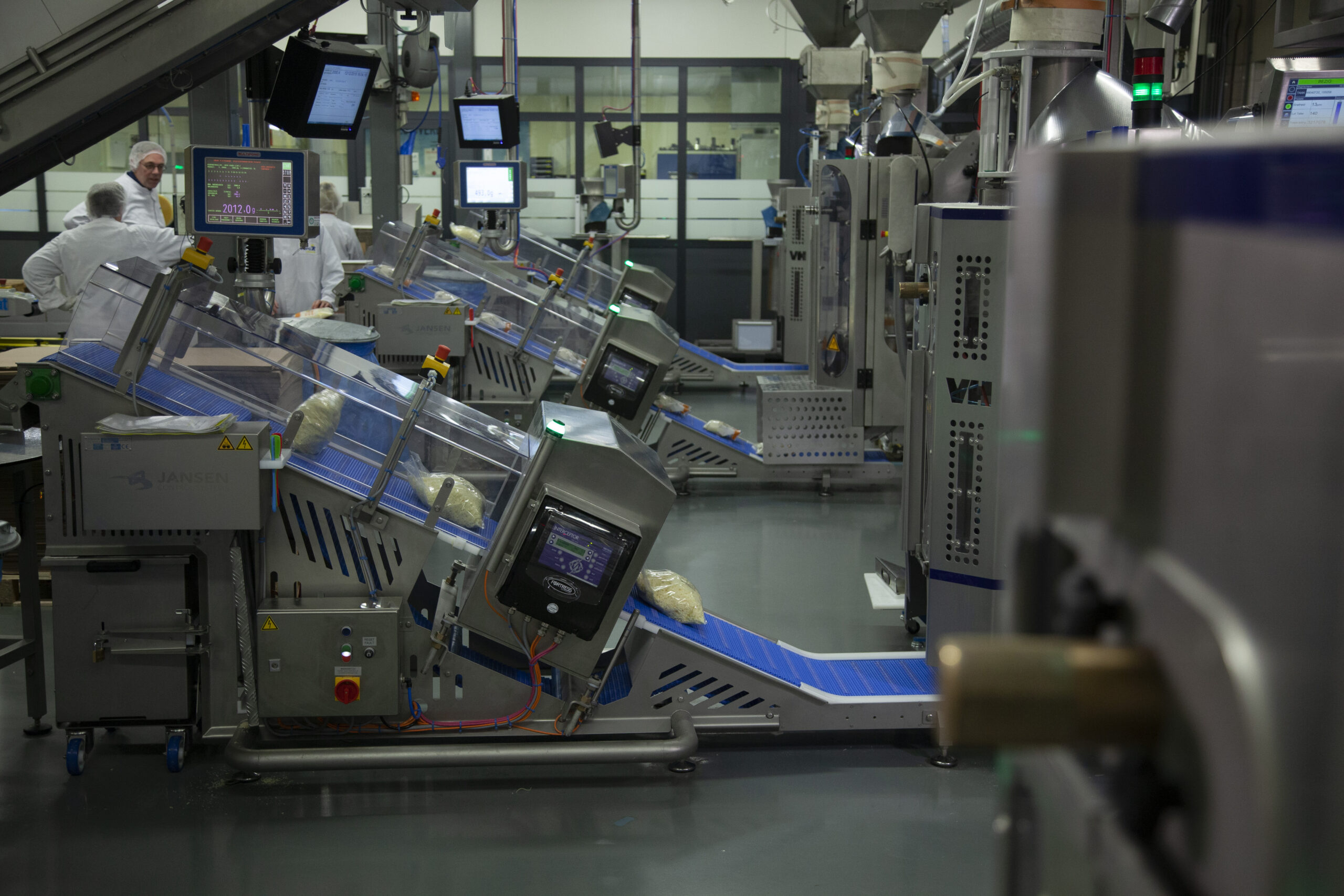
- Vepo Cheese has installed seven incline Interceptor metal detectors with data reporting on grated cheese lines.
Fortress Technology is highlighting how product effect can interfere with metal detection in dairy applications, reducing sensitivity and increasing the risk of false rejects on conductive products such as cheese.
Water, salt, moisture, temperature, and product structure can all influence how dairy products behave inside a detector’s magnetic field. A solid cheese block does not generate the same product signal as grated, sliced, or soft cheese, and those differences can make it harder to separate normal product response from a genuine metal contaminant.
Where product effect is poorly controlled, good product may be rejected unnecessarily, adding waste, labour, and investigation work. Reducing sensitivity too far to compensate can also weaken contaminant detection, creating a difficult balance between false reject reduction and robust detection of ferrous, non-ferrous, and stainless-steel contaminants.
One practical route is to reduce aperture size in relation to the product, increasing sensitivity by limiting the inspection field around the pack or product stream. Single-pass product learning and automatic calibration can also help operators establish a more reliable baseline for each product type. In wet or conductive applications, however, single-frequency systems often force a compromise between ferrous and stainless-steel performance.
Fortress Technology’s Interceptor system uses algorithms designed to adapt to changing product characteristics by distinguishing product-specific indicators from anomaly signals. AutoPhase helps counter product effect, while M-phase has been developed for larger cheese blocks weighing up to 20kg, where the product signature can shift as the block moves through the detector aperture.
The dairy application is supported by Vepo Cheese’s installation of seven incline Interceptor metal detectors on grated cheese lines, each equipped with data reporting to strengthen traceability. Grated cheese is a demanding inspection environment because product flow, particle size, density, temperature, and moisture can vary continuously across production.
Inspection systems are increasingly being judged on safety and yield together. False rejects create a direct waste cost, but they also generate secondary burdens: reinspection, investigation, disposal decisions, downtime, and quality-system review. As factories seek to reduce manufacturing waste, inspection performance has to support throughput rather than interrupt it.
Digital inspection is also becoming more sophisticated. AI-enabled X-ray systems, data-led metal detection, automated testing, and centralised reporting are all moving factory quality control toward higher sensitivity and better evidence. Metal detection and X-ray solve different problems, but both are being pushed toward stronger traceability, lower false reject rates, and easier integration with production data.
Dairy plants are especially exposed to product effect because conditions can change by recipe, temperature, format, and line speed. Cheese, yoghurt-based products, butter, cream desserts, and high-moisture dairy alternatives all create inspection challenges that cannot be solved with one generic setting. Flexible plants need product learning, recipe-specific validation, and calibration routines that keep pace with production changeovers.
Retailers and auditors also expect documented performance, clear corrective action, and traceable rejection records. Manufacturers need those controls without reducing throughput or creating avoidable product loss. In dairy processing, stronger product-effect management is becoming part of the wider move toward inspection systems that protect both food safety and usable yield.