IN Brief:
- GALY has launched commercial US operations supplying cultured-cocoa chocolate through WunderHaus.
- The company reports early orders from Boston and Dubai customers, rather than large-volume manufacturing contracts.
- Its Essex, Massachusetts production operation grows cocoa cell material in tanks before conventional downstream processing.
GALY has begun supplying chocolate made with cultured cocoa to professional kitchens through its WunderHaus brand in the United States. Boston restaurant Troquet on South is among the first customers to place an order, while a Dubai chocolatier has also ordered product ahead of a proposed wider UAE entry in 2027. The company grows cocoa-derived cells in controlled vessels and processes the recovered material into a cocoa ingredient. These are initial commercial transactions, with no published figures for shipment volumes, industrial-scale costs or repeat purchasing.
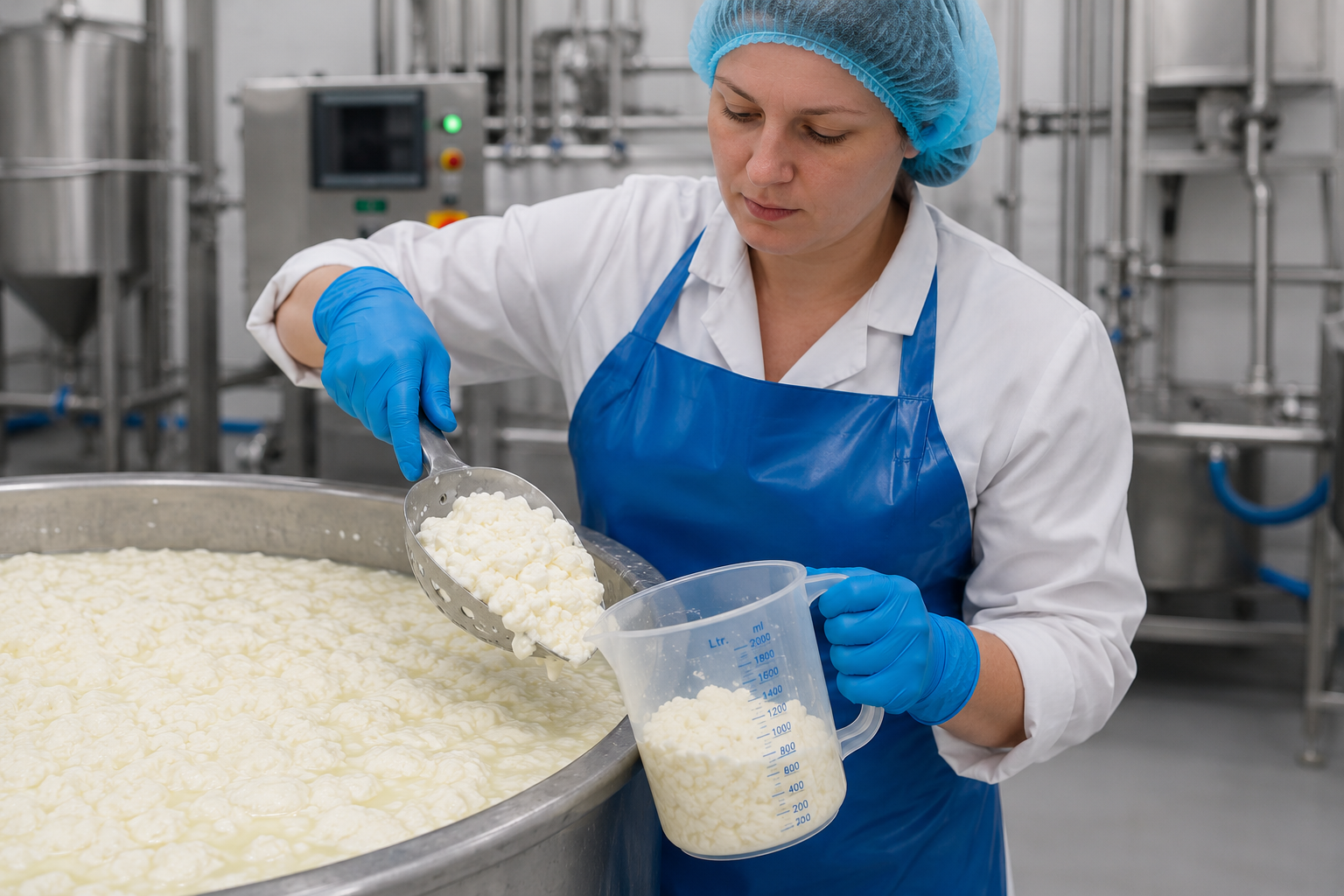
At its Essex, Massachusetts operation, GALY cultivates cocoa cell material in tanks, avoiding the need to grow the same fraction of raw material on cocoa trees. Once the biomass has been recovered, fermentation, roasting and grinding develop it into cocoa powder for subsequent chocolate making. WunderHaus blends that powder with other ingredients to prepare couverture and baking chocolate. Flavour formation, particle size and fat composition must still suit commercial recipes, regardless of whether the starting cocoa material came from a tree or a cultivation vessel.
Troquet on South expects to introduce WunderHaus chocolate at a fourth-quarter event, giving the ingredient a setting in which chefs can assess preparation and finished dishes. Other hotels, restaurants and professional kitchens are conducting trials, and a Dubai chocolatier has placed an initial order. Limited foodservice quantities allow direct feedback without the continuous supply schedules required by major confectionery factories. The company has not disclosed the volumes involved, so the early orders cannot be treated as evidence of industrial throughput or a completed UAE rollout.
Cultured cocoa material is not the same thing as a finished chocolate formulation. Conventional cocoa processing generates flavour through controlled fermentation and roasting, while grinding and blending determine the final ingredient’s use in a recipe. In couverture, fat composition and particle size help govern how a coating melts and flows; in bakery products, flavour and stability under heat can be equally important. GALY’s approach combines cell-grown material with familiar chocolate-making stages and other ingredients. The process therefore produces a cultured-cocoa ingredient that enters chocolate recipes alongside other inputs, not chocolate made exclusively without agricultural ingredients.
Tank cultivation introduces a different set of production controls from agricultural cocoa supply. Culture conditions, nutrient dosing, hygiene, growth rates and consistency of the recovered biomass must be managed before fermentation and roasting begin. The downstream stages bring their own energy, yield and food safety requirements, and processing losses can occur at several points. GALY has not published output per vessel, cycle times, energy use at commercial scale or an independently verified cost comparison. Without those figures, the material’s competitiveness against conventional cocoa cannot be quantified.
Professional kitchens give the company a relatively direct route to formulation feedback. Chefs can assess how a chocolate behaves in a ganache, glaze, cake or sauce, including its flavour balance and handling at different temperatures. Small customers can trial a product without the same throughput and qualification requirements as a global confectionery production line. Successful trials may help determine preferred blends and technical specifications, although subsequent scaling would still require consistent batch quality, reliable delivery and more detailed manufacturing performance data.
GALY is targeting a broader entry into the UAE during 2027, following initial interest from professional kitchens and the order placed by a Dubai chocolatier. Customer trials and commercial permissions are separate matters: market access for a cultured ingredient depends on its precise composition, intended food uses and the rules applying in the destination jurisdiction. The company will also need sufficient repeatable output and distribution arrangements to supply a larger customer base. No general authorisation for all future applications can be inferred from the initial order.
Supply resilience is an important part of the company’s strategy. Conventional cocoa sourcing can be affected by weather, plant disease, ageing trees and shifts in harvest volume, factors which may make ingredient planning difficult for chocolate makers. Cultivation in tanks could create a supplementary production route that operates differently from field agriculture. The company has also said it wants to work with traditional growers rather than frame the technology as a complete replacement. Whether cultivation eventually makes a substantial contribution will depend on technical scale and the commercial viability of the finished ingredient.
Repeated orders will provide a firmer measure of demand than one-off chef trials, while consistent cocoa-powder specifications and batch yields will determine whether production can extend beyond small volumes. WunderHaus now has a route into professional kitchens where its chocolate can be evaluated in service, and GALY plans to develop the UAE market next year. Its contribution to mainstream chocolate manufacturing remains contingent on larger-scale capacity, cost and performance evidence that has not yet been released.