IN Brief:
- Gay Lea Foods is investing more than C$200 million at its Clayson Road manufacturing site in Toronto.
- The expansion will add cottage cheese and high-protein dairy capacity alongside new processing technology.
- Completion is targeted for 2028, with up to 75 jobs expected as the wider C$450 million manufacturing programme progresses.
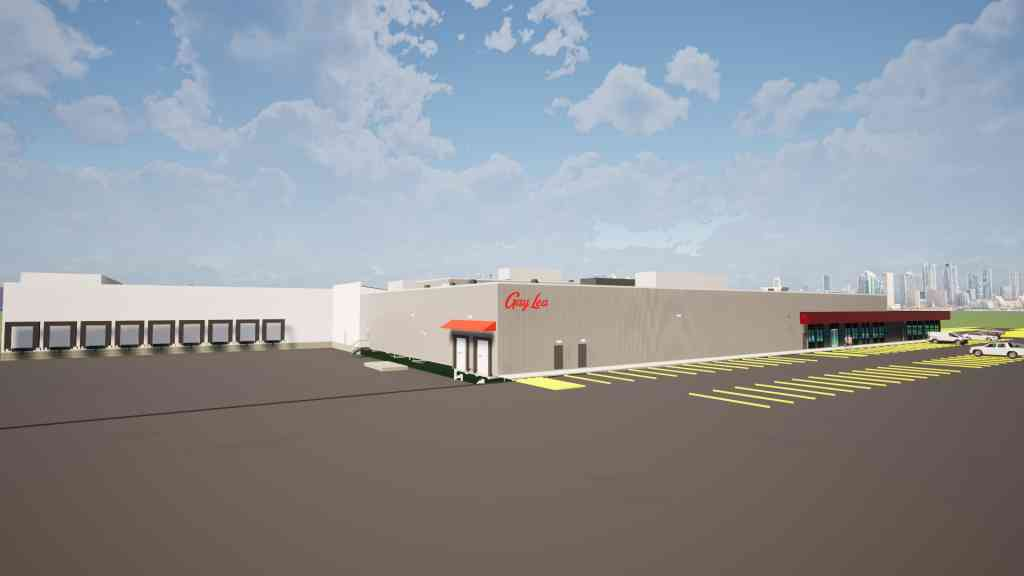
More than C$200 million is being committed to one Toronto dairy plant as Gay Lea Foods moves to increase cottage cheese and high-protein dairy capacity. The expansion of its Clayson Road manufacturing facility is scheduled for completion in 2028 and forms the first major project in the cooperative’s wider C$450 million Network for Growth programme.
The project will introduce new processing technology and manufacturing capability while creating up to 75 jobs. Gay Lea Foods says the additional capacity will help address a shortage of cottage cheese in the Canadian market, where demand for protein-rich foods has placed new pressure on a category traditionally produced within an established cultured-dairy network.
That demand has exposed the limits of installed capacity. Cottage cheese cannot simply be added to an existing dairy portfolio by increasing incoming milk volumes; production requires controlled thermal treatment, coagulation, curd handling, whey separation, cooling, dressing, filling, and refrigerated storage, all operating within defined hygiene and quality limits.
Additional output therefore places demands across the plant rather than on one production stage. Utilities, cleaning systems, chilled storage, packaging, quality control, and warehouse capacity all have to support the extra throughput if the investment is to produce sustained commercial volume rather than shift a bottleneck from one area to another.
Gay Lea Foods has not released a detailed equipment schedule for Clayson Road, but it says the expansion will incorporate advanced processing technology and modern manufacturing capabilities. The stated objectives include greater capacity, productivity, and flexibility, giving the cooperative scope to increase current output while preparing the site for changes in future product demand.
Flexibility is particularly important in dairy because consumer preferences can alter the balance between products much faster than processing assets are replaced. A line installed today may remain in service for decades, while demand can shift between pack sizes, protein levels, flavours, formats, and nutritional positioning within a few selling seasons.
Cottage cheese illustrates that mismatch. A familiar product has acquired renewed commercial momentum through demand for higher-protein foods, creating a capacity requirement that many older dairy networks were not designed around when their asset base was originally configured.
The long construction and commissioning horizon also shows why processors cannot respond instantly to a shortage. Gay Lea Foods is targeting completion in 2028, meaning today’s investment decision has to anticipate demand several years ahead while engineering, installation, commissioning, recruitment, validation, and customer requirements are worked through.
That introduces capital risk. A C$200 million-plus dairy expansion needs high utilisation over many years, so the cooperative is effectively taking the view that increased demand for cottage cheese and related high-protein dairy products will persist long enough to justify permanent manufacturing capacity rather than temporary production measures.
The structure of Gay Lea Foods adds another dimension. The cooperative is owned by approximately 1,200 dairy farmer members in Ontario and Manitoba, placing processing capacity directly between member milk supply and the markets for higher-value finished dairy products. More capability at Clayson Road gives the business another route for converting milk into categories where demand currently exceeds available supply.
Plant productivity will be as important as maximum rated output. Dairy production carries continuing costs in refrigeration, thermal processing, cleaning, water, labour, maintenance, and cold storage, so increasing tonnes or litres without controlling those inputs can erode much of the benefit expected from a capacity project.
The expansion also has to accommodate food-safety and product-consistency requirements as output rises. Cultured dairy production depends on disciplined temperature control, sanitation, formulation, and process timing, while higher throughput can magnify the commercial effect of any deviation if a larger volume is produced before a fault is detected.
Clayson Road is the first major manufacturing investment under the C$450 million Network for Growth strategy, which Gay Lea Foods describes as a multi-year programme to modernise its Canadian manufacturing footprint. The Toronto project should therefore provide an early indication of how the cooperative intends to balance additional capacity with productivity and operating flexibility across the wider network.
The immediate objective is straightforward: produce more cottage cheese and other high-protein dairy products in a market where existing supply has struggled to keep pace. The harder task will come as the new assets enter service in 2028, when additional processing capacity has to translate into reliable output without allowing energy, water, labour, cleaning, packaging, or cold-chain costs to rise at the same rate.
If Clayson Road reaches that balance, the site will do more than relieve a current cottage cheese shortage. It will establish the first operational benchmark for a C$450 million manufacturing programme whose economics depend on building dairy capacity for demand that will have continued evolving throughout the two years required to deliver it.