IN Brief:
- JBS has revised its earlier closure plan and will retain approximately 400 jobs at Souderton.
- Beef harvesting and primary processing will still conclude on 14 August.
- More than $30m will be invested over ten years to develop value-added and case-ready production.
JBS USA will retain manufacturing at its Souderton facility in Pennsylvania by converting the site into a dedicated value-added and case-ready meat operation, revising an earlier plan to close the plant completely.
Approximately 400 jobs are expected to remain under the new plan. Beef harvesting and primary processing will still conclude on 14 August, but JBS now intends to invest more than $30 million over the next decade to modernise and expand the downstream processing capability retained at the site.
The decision changes the position announced in June, when JBS said the Souderton beef facility would close as part of wider changes to its US production network. The revised arrangement preserves a manufacturing role in Montgomery County while removing the plant’s existing harvesting function.
That creates a materially different operation. Harvesting and primary beef processing manage livestock intake, slaughter, carcass handling, and initial fabrication; case-ready and value-added production sits farther downstream, turning meat into formats closer to the finished specification required by retailers, foodservice businesses, and other customers.
The site will move farther down the processing chain
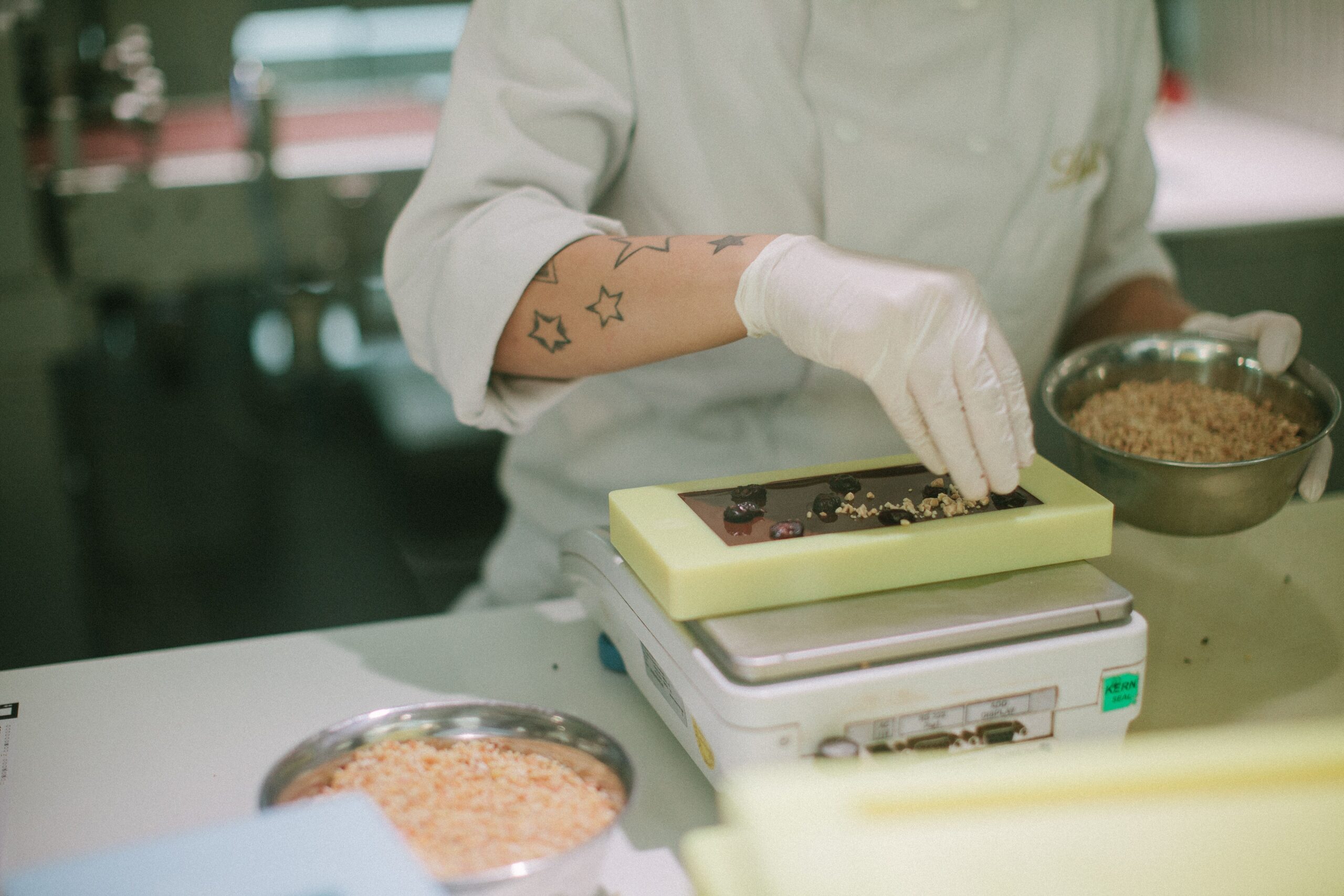
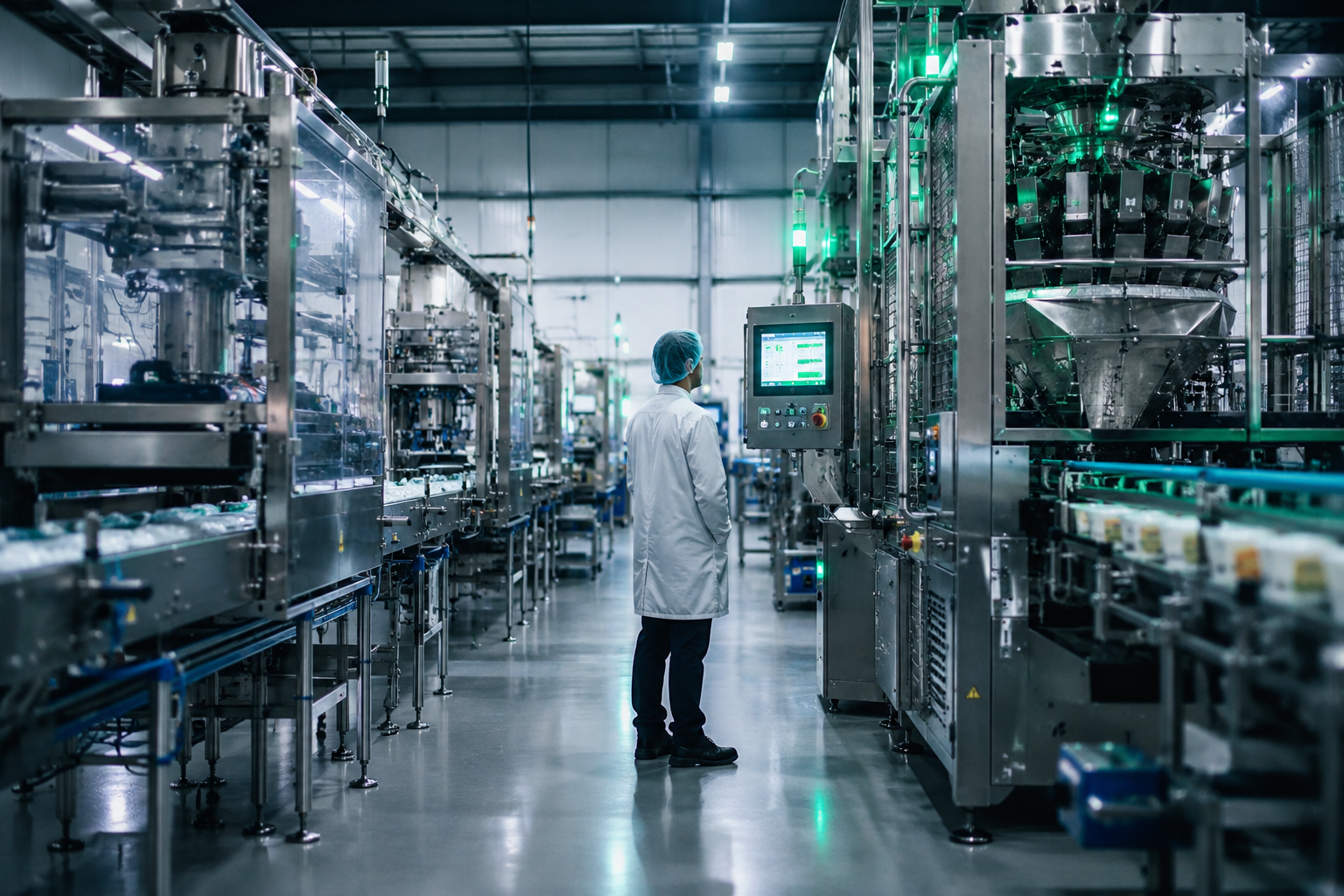
Case-ready operations can combine portioning, trimming, weighing, packing, coding, inspection, and labelling so products arrive at the customer in a form requiring less further preparation. Value-added lines can extend that process with customer-specific cuts, preparation, or other formats. JBS has not yet disclosed the exact equipment package for Souderton, so it would be premature to attach particular machinery or throughput figures to the investment.
What changes immediately is material flow. Instead of livestock and carcasses moving through the operation, the retained site will increasingly depend on meat arriving from upstream processing facilities before being converted into finished customer specifications.
That shifts part of the plant’s operational risk into inbound logistics. Temperature, product age, delivery timing, specification, and traceability have to remain controlled before raw material reaches the production schedule. A disruption at an upstream site or in refrigerated transport can affect downstream packing even when Souderton itself is operating normally.
The conversion should also change some utility and infrastructure demands. Harvesting carries particular requirements around livestock handling, primary processing, wastewater, by-product management, refrigeration, hygiene, and inspection. A dedicated value-added site still needs substantial refrigeration, cleaning, electrical power, compressed air, water, and food-safety control, but those systems are serving a different factory configuration.
Preserving approximately 400 jobs maintains an experienced operating base while that transition is carried out. Existing knowledge of food safety, refrigeration, maintenance, quality systems, and site services can remain useful even where production routes and equipment change.
Case-ready production puts more value into specification control
Moving downstream also increases the amount of customer-specific value added at the plant. Retail and foodservice products can carry tighter requirements for weight, cut, appearance, labelling, pack atmosphere, shelf life, and presentation than bulk material earlier in the meat chain.
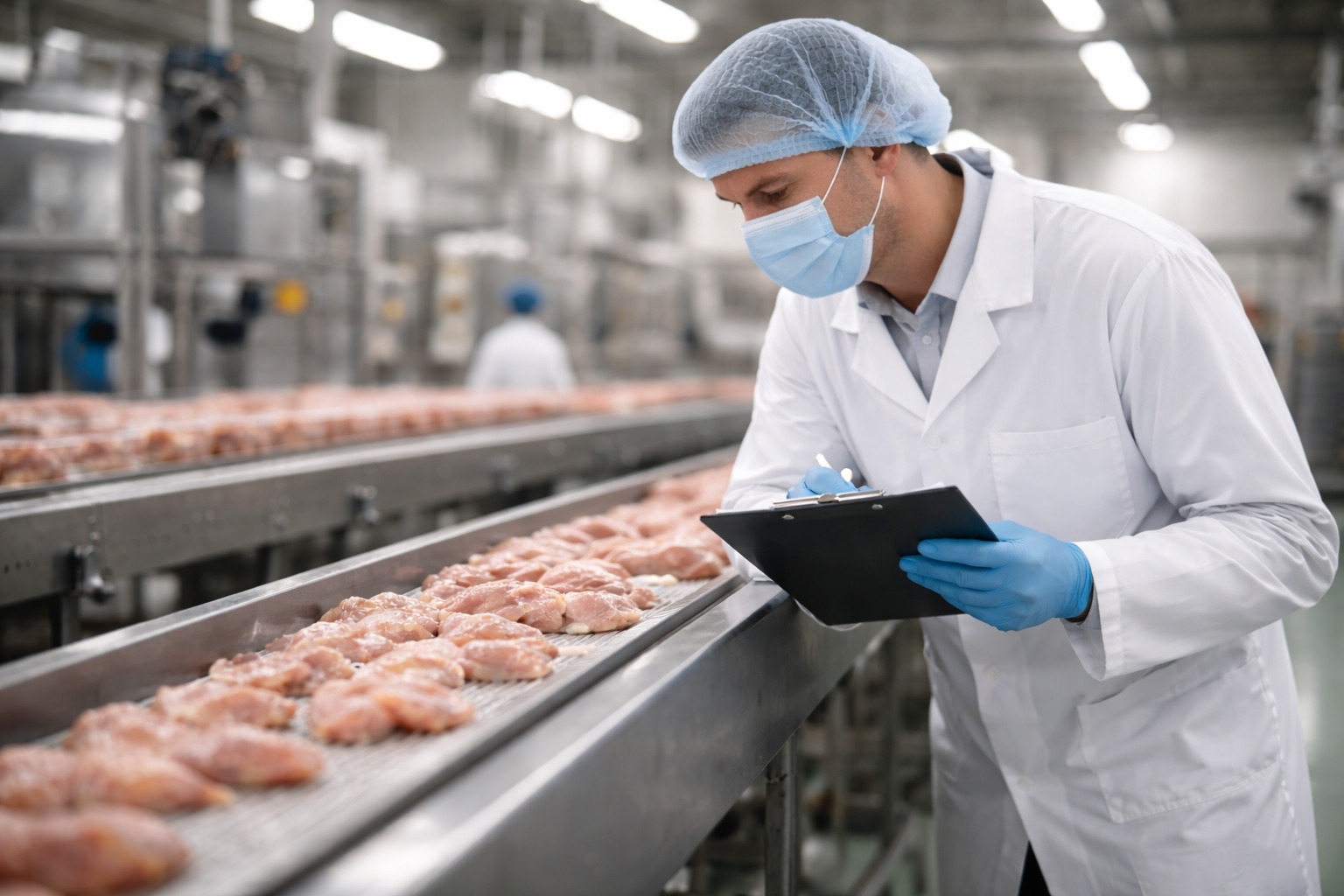
Those specifications turn giveaway, trimming yield, seal integrity, pack appearance, coding accuracy, and line performance into direct manufacturing metrics. A plant can process the correct amount of meat and still lose margin if finished packs are overweight, require excessive rework, or fail a customer’s visual or labelling standard.
Packaging is therefore likely to become an increasingly important part of the retained operation, even though JBS has not yet described the investment at machine level. Case-ready meat can involve trays, films, vacuum systems, modified-atmosphere packaging, labels, inspection, and automated handling depending on product and customer requirements.
The Souderton development is separate from JBS’s recently announced protein investment platform with Danantara across Southeast Asia, Australia, and New Zealand. The Pennsylvania project is instead an example of capital being used to reposition an existing site rather than add greenfield primary-processing capacity.
The more than $30 million commitment is spread across ten years, so the conversion should be read as a long-term modernisation programme rather than a single immediate equipment order. The sequence of expenditure, individual projects, and eventual capacity have not yet been disclosed.
That long horizon gives JBS scope to adapt the site to customer demand, but it also means the industrial outcome will emerge gradually. The first milestone is already fixed: harvesting and primary processing end on 14 August. After that, the plant has to prove that its retained workforce and infrastructure can support a competitive value-added operation supplied from elsewhere in the JBS network.
Two months ago, Souderton was scheduled for closure. It now has a continuing manufacturing role, around 400 retained jobs, and a decade-long investment commitment. The change saves the site, but in a substantially different form — one in which customer specification, packaging, cold-chain coordination, and downstream processing replace livestock harvesting at the centre of the operation.