IN Brief:
- A December 2025 fire left the unnamed Midlands pork scratchings producer without functioning packaging lines.
- The recovery programme uses three A200 VFFS machines alongside layout, integration, services, and bulk-loading engineering.
- Technosys returned the first line to operation within weeks despite tight floorspace and restricted headroom.
Technosys, part of Autopack Group, has helped an unnamed Midlands pork scratchings manufacturer rebuild its packaging operation after a fire stopped production in December 2025.
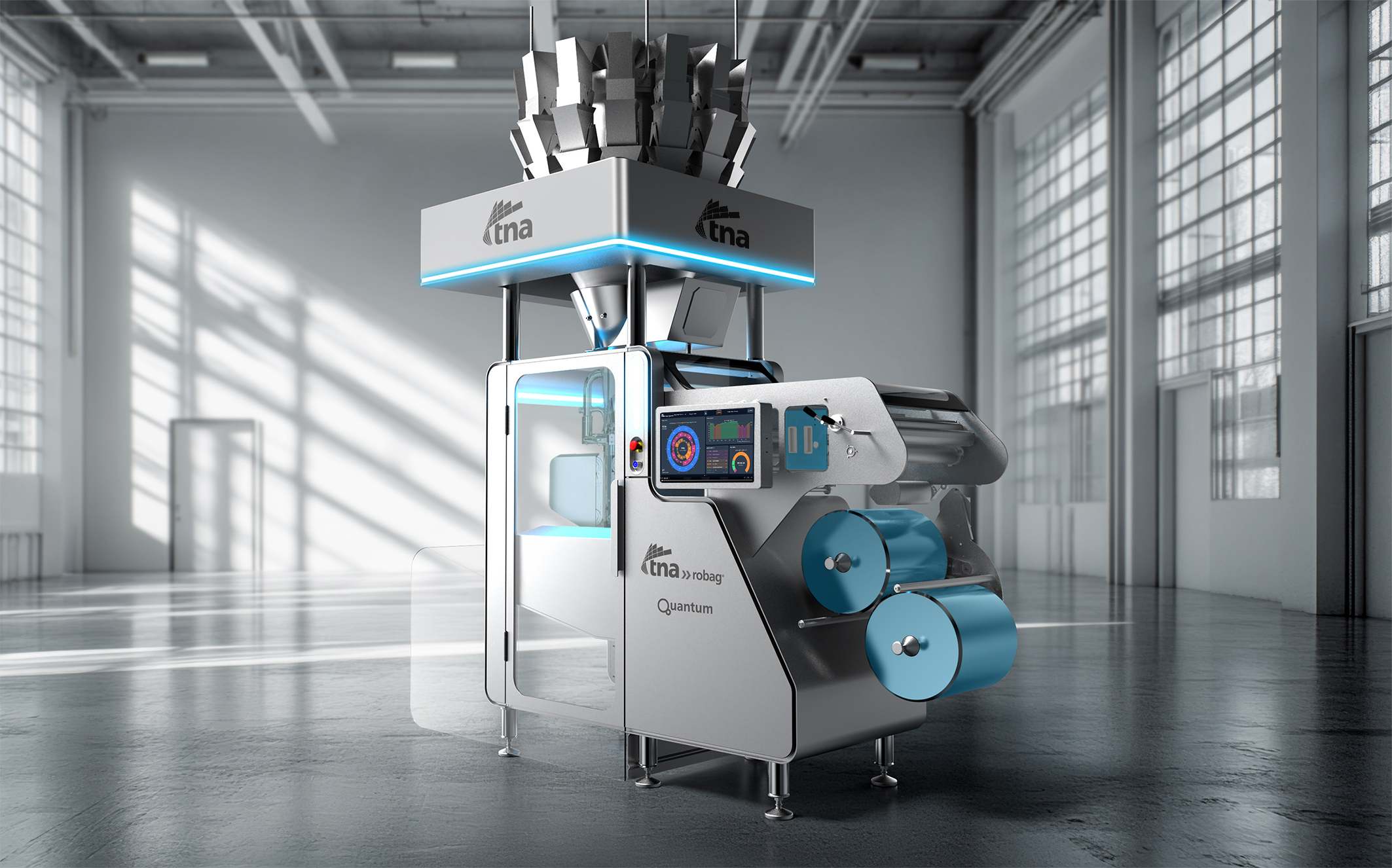
The recovery programme centres on three A200 vertical form, fill and seal machines, with Technosys also providing layout, integration, services planning, and project support. The first packaging line was returned to operation within weeks, allowing the manufacturer to restart output while the wider rebuild continued.
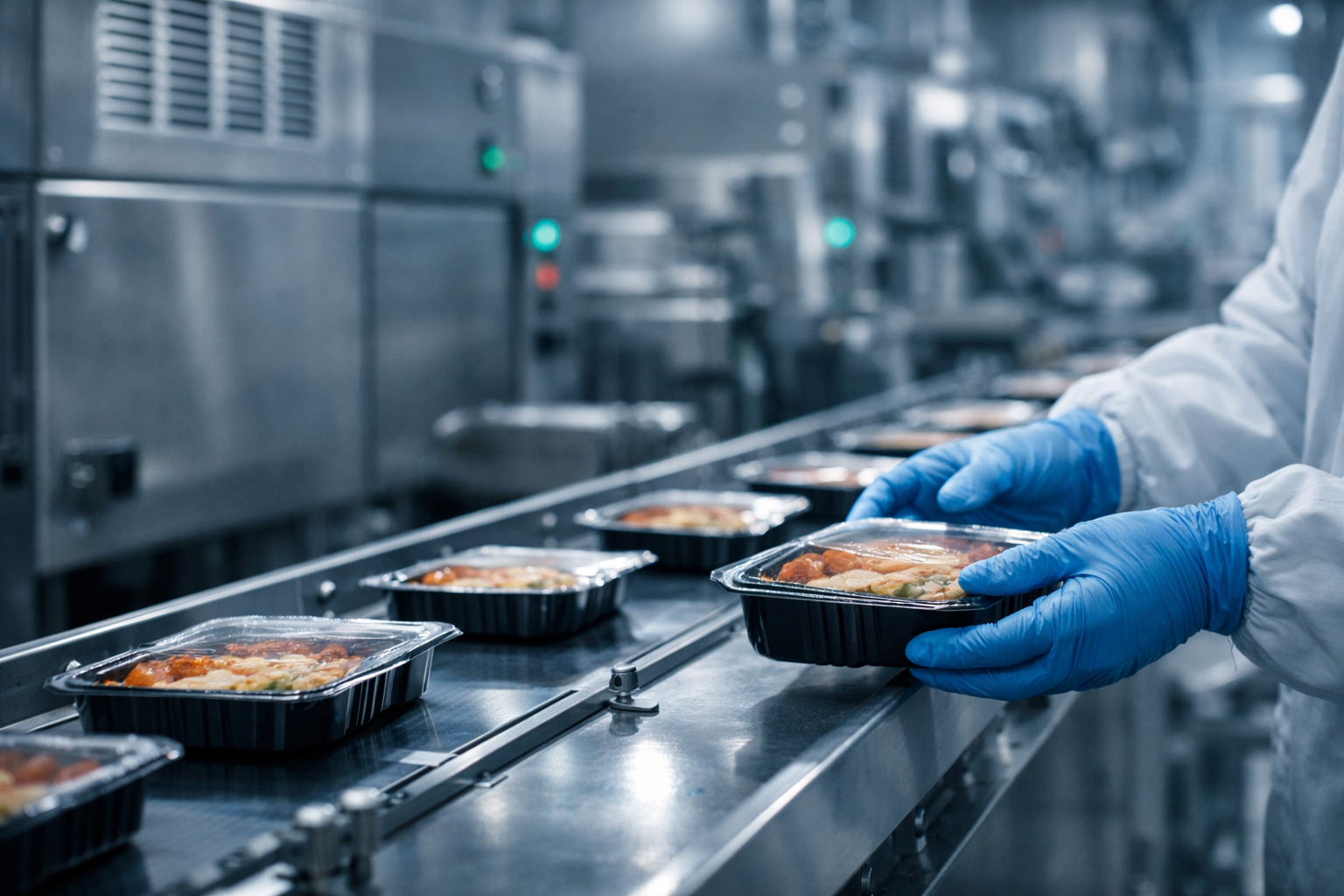
The customer produces pork scratchings, crackling, and crunch products in several flavours and pack sizes. Most output is packed in form-fill-seal pillow bags, while the recovered operation also had to accommodate tubs, making product flow and line layout central to the project rather than simply replacing damaged bagging machines.
Wayne Kedward, Managing Director of Autopack Group, said: “This was a challenging project that required speed, flexibility and close collaboration. We worked closely with the customer to make sure everything from factory layout to services were ready, so the first line could be installed and running as quickly as possible.”
Fire recovery turns machinery supply into integration work
A packaging line installed during a planned capital programme normally enters a controlled sequence of specification, layout approval, utilities preparation, equipment manufacture, factory acceptance testing, installation, commissioning, and production ramp-up. Recovering from a fire compresses that sequence while adding uncertainty about the condition and availability of the surrounding site.
The bagging machine is therefore only one constraint. Product has to reach weighing or dosing equipment at the correct rate, packaging film and finished bags need enough operating space, utilities have to be restored, conveyors and guarding must fit the available envelope, and operators require safe access for loading, cleaning, maintenance, and changeovers.
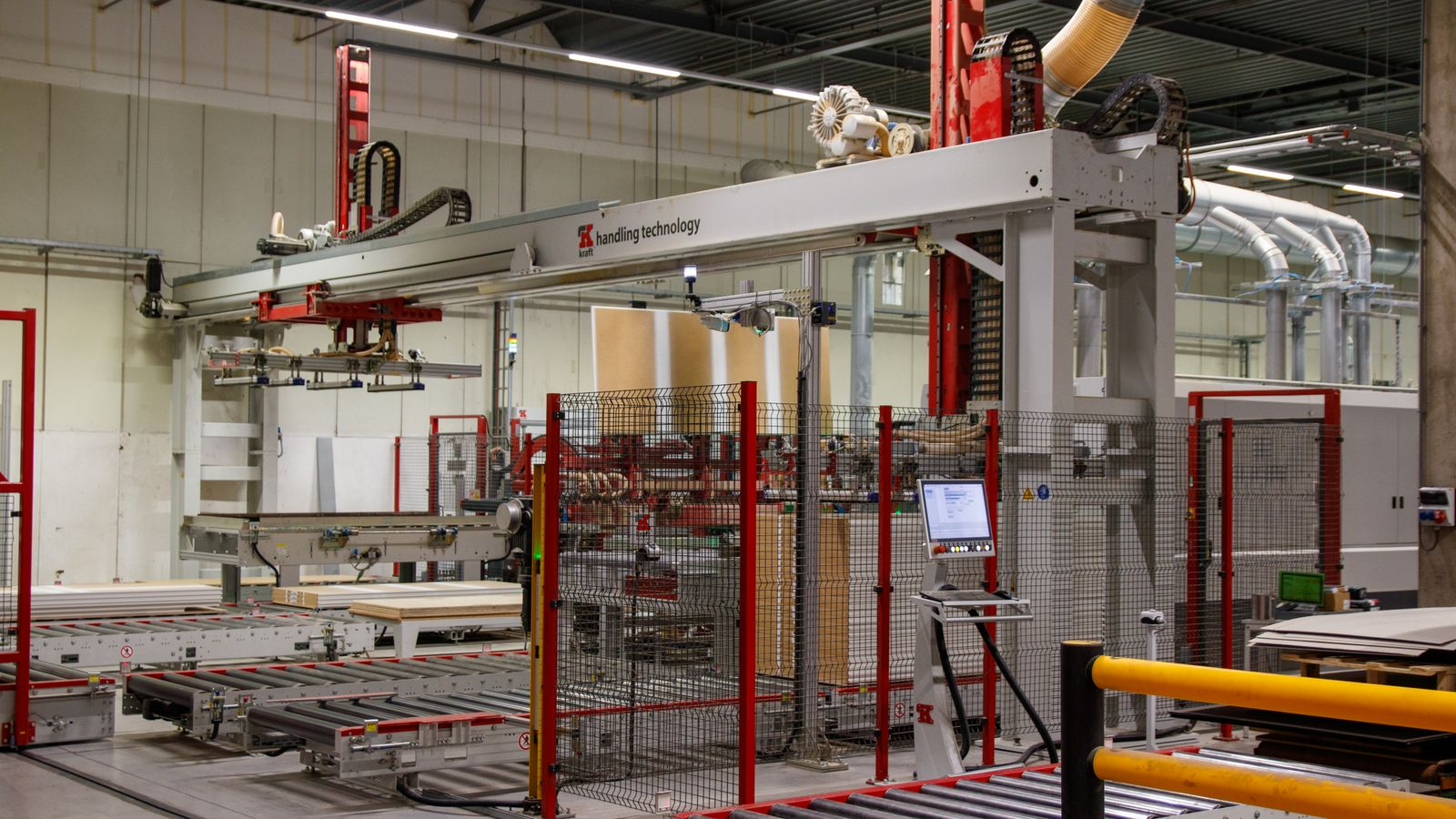
The project faced particularly tight floorspace and headroom. Technosys developed a bespoke bulk-loading arrangement to use the available height while creating a practical feed route into the packaging system.
Kedward said: “The available floorspace and height was tight, but we developed a bespoke bulk loading system, utilising every possible millimetre and delivered a great practical overall solution that was beyond what the customer was expecting.”
That is more significant than it sounds for a fragile snack product. Pork scratchings, crackling, and similar products can create fines when handled aggressively or dropped through excessive height, so bulk feeding has to provide enough accumulation and elevation without turning the product itself into the casualty of a compact layout.
Consistent flow is equally important at the bagger. A VFFS machine forms packaging film around a product tube, creates seals, fills the bag, and cuts the finished pack. The machine can only achieve stable output if the weighing or dosing equipment above it supplies product predictably and downstream equipment removes completed bags without backing up the line.
Three machines create resilience as well as capacity
Autopack’s current specification for the A200 lists maximum production at up to 80 packs per minute, with pillow, gusseted, quad, and block-bottom formats and a published pack range of 60–200mm wide and 50–580mm long. Those figures are machine limits rather than guaranteed output for this application: actual speed depends on product dose, bag dimensions, film, sealing time, upstream feeding, inspection, coding, and downstream handling.
Three machines nevertheless provide useful flexibility for a producer working across flavours, bag sizes, and pack routes. Production can be split between specifications, maintenance can be planned without necessarily removing all bagging capacity, and the manufacturer has more options when demand changes between products.
That matters after a major incident because recovery should ideally remove vulnerabilities rather than simply reproduce them. Restoring the same single points of failure as quickly as possible may restart production, but it can leave the business exposed to the next breakdown or maintenance event.
The requirement to handle tubs reinforces the point. A factory producing both flexible bags and rigid containers has to organise product routes, accumulation, operators, inspection, coding, and secondary packing around two different packaging processes. Space saved around one machine can easily become congestion somewhere else if the complete material flow is not considered.
Technosys joined Autopack Group in 2023 and provides the group with a UK engineering and VFFS manufacturing base in Gainsborough. The wider group has been expanding its UK packaging and processing capability, including filling, flexible-packaging, and integration operations.
For the Midlands customer, however, the immediate value was the ability to bring engineering and project management together under emergency conditions. A food business may retain recipes, processing knowledge, raw-material suppliers, and customer demand after a fire but still be unable to trade if compliant finished product cannot be sealed, coded, inspected, packed, and dispatched.
Returning the first line within weeks therefore represented more than restoring a piece of machinery. It reopened the point at which production becomes saleable inventory. The three-machine programme should eventually provide more capacity and flexibility, but its first engineering achievement was simpler: fitting a workable packaging system back into a constrained factory quickly enough to restart the business.