IN Brief:
- The proposed warehouse will add around 14,500 square metres beside Gruppo Fini's Ravarino manufacturing operation.
- Logistics currently handled elsewhere will move closer to production, reducing inter-site heavy-vehicle movements.
- Rooftop solar on the new building is expected to take total installed photovoltaic capacity to about 1.4MWp.
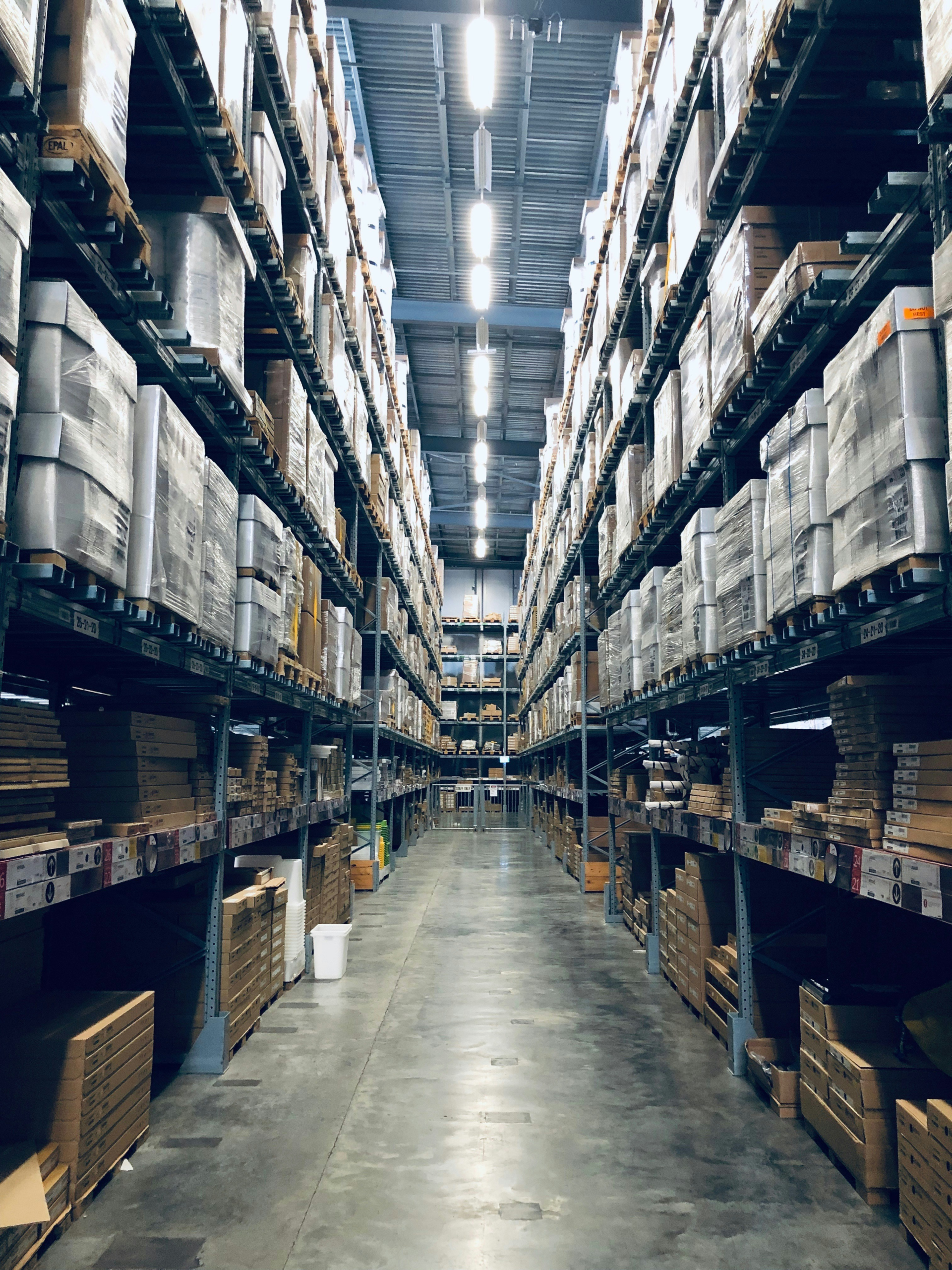
Gruppo Fini is planning a new logistics hub beside its Ravarino food plant in Modena, with around €20 million earmarked for a 14,500-square-metre warehouse that will bring storage and distribution activity closer to production.
Ravarino’s municipal council has unanimously approved the required change in land use for the expansion. The proposed building will sit alongside the existing plant used for Le Conserve della Nonna production and forms part of Gruppo Fini’s 2026-2029 industrial investment programme.
Logistics operations currently carried out away from the manufacturing site are expected to move into the new facility. That will reduce transfers between separate locations and place finished-product storage closer to the lines supplying it, changing the physical flow of goods around the Ravarino operation.
The company estimates that fewer heavy-vehicle movements could reduce carbon dioxide emissions by around 55 tonnes a year, alongside lower NOx and particulate emissions. A photovoltaic installation is also planned for the warehouse roof. Combined with existing solar generation, total installed photovoltaic capacity at Ravarino is expected to reach about 1.4MWp.
Gruppo Fini operates across fresh filled pasta, sauces, condiments, preserves, and durum wheat pasta through brands including Fini, Le Conserve della Nonna, and Mastri Pastai Bettini. Ravarino is one of the group’s processing locations and will receive the investment included in its current industrial plan.
Moving warehousing alongside production removes one transport stage from the internal supply chain. Finished products that would otherwise be loaded for transfer to another logistics site can instead move directly from packing into adjacent storage before customer despatch. The change reduces handling as well as vehicle mileage and can simplify reconciliation between factory output and warehouse inventory.
That proximity becomes more valuable where production and customer demand do not move at the same pace. Food plants may run larger campaigns to improve equipment utilisation, while retailers and distributors order against shorter delivery windows. Warehouse capacity acts as the buffer between those schedules, and insufficient space can force additional handling or constrain production even when processing equipment still has available capacity.
An adjacent facility can also make stock status easier to coordinate with production planning. Batch completion, palletisation, quality release, storage location, and despatch can be managed within one site rather than passed between separate operations. The benefit depends on warehouse systems and operating procedures matching the physical investment, particularly as the volume of stock held at Ravarino increases.
The new warehouse will therefore have to accommodate peak flows rather than average volumes. Promotions, seasonal demand, retailer campaigns, and production scheduling can create sharp changes in finished-goods inventory. A building large enough for normal stock levels can still become constrained if production campaigns and despatch peaks overlap.
Photovoltaic generation adds an energy component to the project. Warehouse roofs provide large areas for solar installations without occupying additional production land, while the neighbouring food plant gives the generated electricity a substantial on-site load. The expected 1.4MWp total will sit across the existing and new installations rather than being attributable solely to the planned warehouse.
The project also includes perimeter planting and additional green areas. These measures form part of the development around the expanded site, although the principal environmental changes come from reduced logistics movements and the additional renewable-generation capacity.
Employment is expected to benefit from the expansion, but no specific number of new jobs has been published. The current proposal is centred primarily on reorganising logistics and preparing the manufacturing site for further growth rather than announcing a separate new processing line.
The wider industrial programme provides additional context. Gruppo Fini’s management has described the warehouse as a central element of its 2026-2029 plan, which provides for more than €20 million of investment concentrated at Ravarino. The logistics building therefore supports a broader commitment to the location rather than standing as an isolated property development.
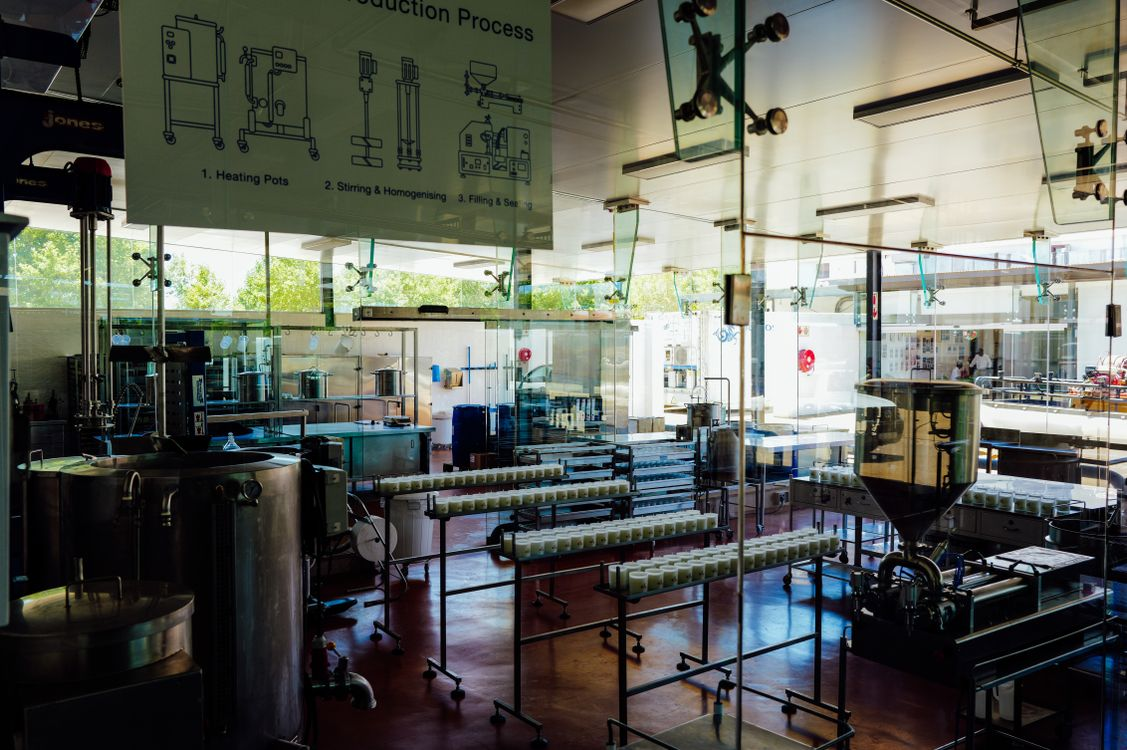
Food-factory investment often concentrates on mixers, cookers, fillers, and packaging lines, but production capacity also depends on the infrastructure around those machines. Pallets, packaging materials, finished goods, vehicle slots, and warehouse space can restrict throughput even when processing equipment is capable of running faster.
Gruppo Fini’s proposal shifts part of its investment towards that surrounding infrastructure. Bringing storage closer to production should reduce unnecessary transport and create a more concentrated operating site, while the photovoltaic installation adds generation capacity alongside the expanded logistics footprint.
With the land-use change approved, the project can move into its next development stages. Its eventual effect will be measured in warehouse utilisation, transport reduction, inventory flow, and the ability of Ravarino’s logistics operation to keep pace with the production growth envisaged under the group’s 2026-2029 plan.