IN Brief:
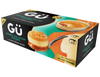
- Gü has recalled Double Sea Salted Caramel Frozen Dessert 2x85g with lot code 126135.
- The affected packs may contain an incorrect dessert with hazelnuts and soya not declared on the label.
- Allergen control increasingly depends on packaging verification, line clearance, and digital production checks.
Gü has recalled a batch of Double Sea Salted Caramel Frozen Dessert after a packaging error created a risk that some units may contain undeclared hazelnuts and soya.
The recall affects Gü Frozen Double Sea Salted Caramel Dessert 2x85g with lot code 126135 and a best-before date of 30 June 2027. The affected packs may contain an incorrect dessert containing hazelnuts and soya, which are not declared on the ingredient label.
Although the immediate concern is allergen safety, the production-control challenge behind the recall is wider. Allergen incidents are often created not by a hidden ingredient, but by a mismatch between product and packaging, residual packaging from a previous run, incomplete line clearance, or insufficient checks during changeover. In chilled and frozen desserts, similar pack formats and multiple recipe variants can make that risk harder to manage.
Gü has strengthened allergen and packing controls following the recall. That response fits a broader shift in factory practice, where allergen management is increasingly linked with scheduling, packaging control, inspection systems, and digital verification rather than being treated only as a formulation or technical-file requirement.
Wrong-pack incidents can develop at several points across a production and packing operation. Finished desserts can be loaded into the wrong outer packaging, sleeves or cartons can be mismatched, remaining packaging from one product can enter the next run, or visually similar variants can be confused during rework and warehouse handling. Shared equipment raises the burden further when allergen profiles differ between recipes.
Inspection and verification systems are becoming more central to preventing those failures. AI-enabled X-ray inspection, vision systems, barcode matching, and automated label checks are all being developed to improve line assurance, though no single technology removes the need for disciplined process control. For allergen risk, the most effective systems prevent the wrong product and the wrong pack from being brought together in the first place.
That can involve controlled release of packaging materials, digital line-clearance records, barcode matching between recipe and packaging, positive identification of cases and sleeves, and automated checks on artwork. Where products are packed at speed, manual checking alone is increasingly difficult to defend as the primary safeguard.
The cost of an allergen recall reaches beyond the affected batch. Manufacturers face withdrawal logistics, retailer communication, investigation work, possible downtime, packaging review, quality-system updates, and reputational damage. For people with allergies, the safety risk can be severe, making precision in recall communication essential.
Frozen products add their own traceability challenge. Long shelf life means affected packs can remain in domestic freezers well after the recall date, while a lengthy best-before period increases the need for accurate lot-code identification. Recall notices must therefore be specific enough to remove affected products without creating unnecessary waste across unaffected stock.
In dessert manufacturing, the growth of premium recipes, multi-layered formats, and wider flavour ranges brings commercial opportunity but also a more complex allergen matrix. As ranges expand, packaging verification becomes part of food safety control. Recipe accuracy, line clearance, pack identification, and production data all need to work together if recalls caused by wrong-pack errors are to be reduced.