IN Brief:
- Indovida Thailand will introduce Flake-to-Preform direct PET recycling at commercial scale.
- The planned operation will produce recycled PET preforms equivalent to around 400 million bottles each year.
- Suntory PepsiCo Beverage Thailand is due to receive the project's preforms from 2028.
Indorama Ventures is preparing the first commercial Southeast Asian deployment of Suntory’s Flake-to-Preform direct recycling technology, establishing a Thai supply route designed to produce recycled PET preforms equivalent to around 400 million beverage bottles each year.
The project brings together Indorama Ventures, Suntory Holdings, Suntory PepsiCo Beverage Thailand, and Iwatani Corporation through Indovida Thailand, a joint venture between Indorama and Iwatani. Production is intended to supply Suntory PepsiCo Beverage Thailand from 2028, turning recovered PET bottles into new beverage-packaging preforms through a more integrated recycling process.
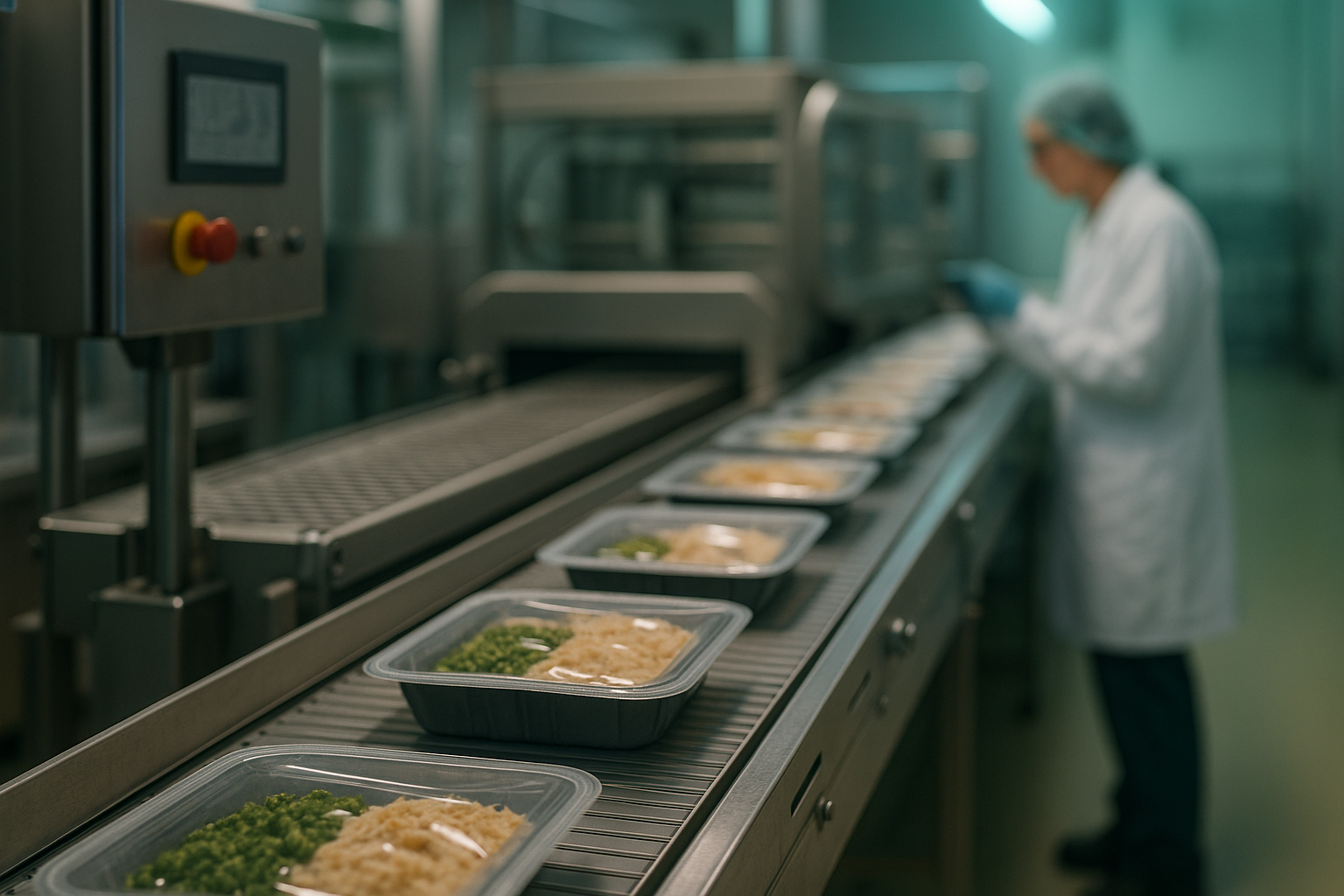
Flake-to-Preform, usually shortened to FtoP, starts with recovered PET bottles that are crushed and washed into flakes. The material is treated at high temperature, melted, filtered, and moved directly into preform manufacture, reducing the number of intermediate conversion stages required before a new bottle can be blow moulded.
Suntory developed the process with Kyoei Sangyo and other equipment partners and has already deployed it in Japan. The Thai project moves the technology into a new packaging market at commercial volume, with Indovida providing the manufacturing platform and Suntory PepsiCo acting as the first customer for the recycled preforms.
Indorama contributes experience in PET resin, recycled PET, and packaging manufacture, while Suntory provides the FtoP technology and implementation knowledge. Iwatani adds industrial and supply-chain capability through the joint venture, creating a project that connects material preparation, preform production, and beverage demand rather than treating recycling as an isolated upstream activity.
The proposed annual scale moves the installation well beyond a demonstration line. Output equivalent to roughly 400 million bottles will make feedstock consistency, contamination removal, preform quality, energy use, downtime, and logistics central to operating performance.
Preforms are a critical interface between polymer manufacture and high-speed beverage filling. They must meet dimensional, mechanical, and barrier requirements before being reheated and stretch blow moulded into finished bottles. Variability that might be tolerable in lower-value recycled-plastic applications becomes much less acceptable when the material is destined for food-contact packaging running through established beverage lines.
FtoP is intended partly to reduce the process burden associated with returning used bottles to bottle-grade material. Suntory says the route can manufacture preforms directly after flakes have been cleaned, heat treated, melted, and filtered, and reports lower carbon emissions than producing PET bottles from virgin petroleum-based material.
The technology sits within Suntory’s longer-running bottle-to-bottle recycling programme. The group began establishing mechanical bottle-to-bottle recycling in Japan in 2011 and introduced 100% recycled PET bottles the following year. Its plastics policy targets recycled or bio-based material for all PET bottles used globally by 2030, eliminating virgin petroleum-derived material from that packaging portfolio.
The Thai installation is therefore also a feedstock project. Recycling capacity depends on reliable collection and sorting, because a preform line cannot manufacture food-grade recycled PET from bottles that never reach an appropriate recovery stream. A plant designed to feed hundreds of millions of new bottles each year needs consistent volumes of suitable material and enough quality control to prevent contaminants or incompatible polymers disrupting the process.
Thailand gives the partners an industrial base from which to assess whether the model can be expanded elsewhere in Southeast Asia. Suntory has previously identified Thailand and Vietnam as target markets for overseas FtoP deployment, while Indorama has described the partnership as part of a broader strengthening of its downstream packaging platform.
Regional replication will depend as much on collection economics as on the recycling equipment. Direct recycling is most attractive when recovered bottles, processing capacity, preform demand, and filling operations are sufficiently concentrated to limit transport and handling. Weak collection systems can leave sophisticated recycling assets short of the feedstock required to run efficiently.
The structure of the Thai project reduces some of that commercial uncertainty from the outset. Suntory PepsiCo provides a defined customer from 2028, while Indovida gains an anchor demand around which the new process can be established and validated.
Commissioning will provide the harder evidence. The partners must achieve stable food-grade recycled PET quality, keep the line supplied with consistent flakes, and deliver preforms that behave normally in high-volume bottle production. At a nominal 400-million-bottle annual scale, FtoP will be judged less by the elegance of the recycling diagram than by whether filling plants notice any difference when the recycled preforms arrive.