IN Brief:
- Irish domestic milk intake fell 1.6% in May after a 3.4% decline in April.
- Cumulative intake for January to May remained 0.7% below the same period of 2025.
- Higher fat and protein levels may partly offset lower volume for butter, cheese, and ingredient production.
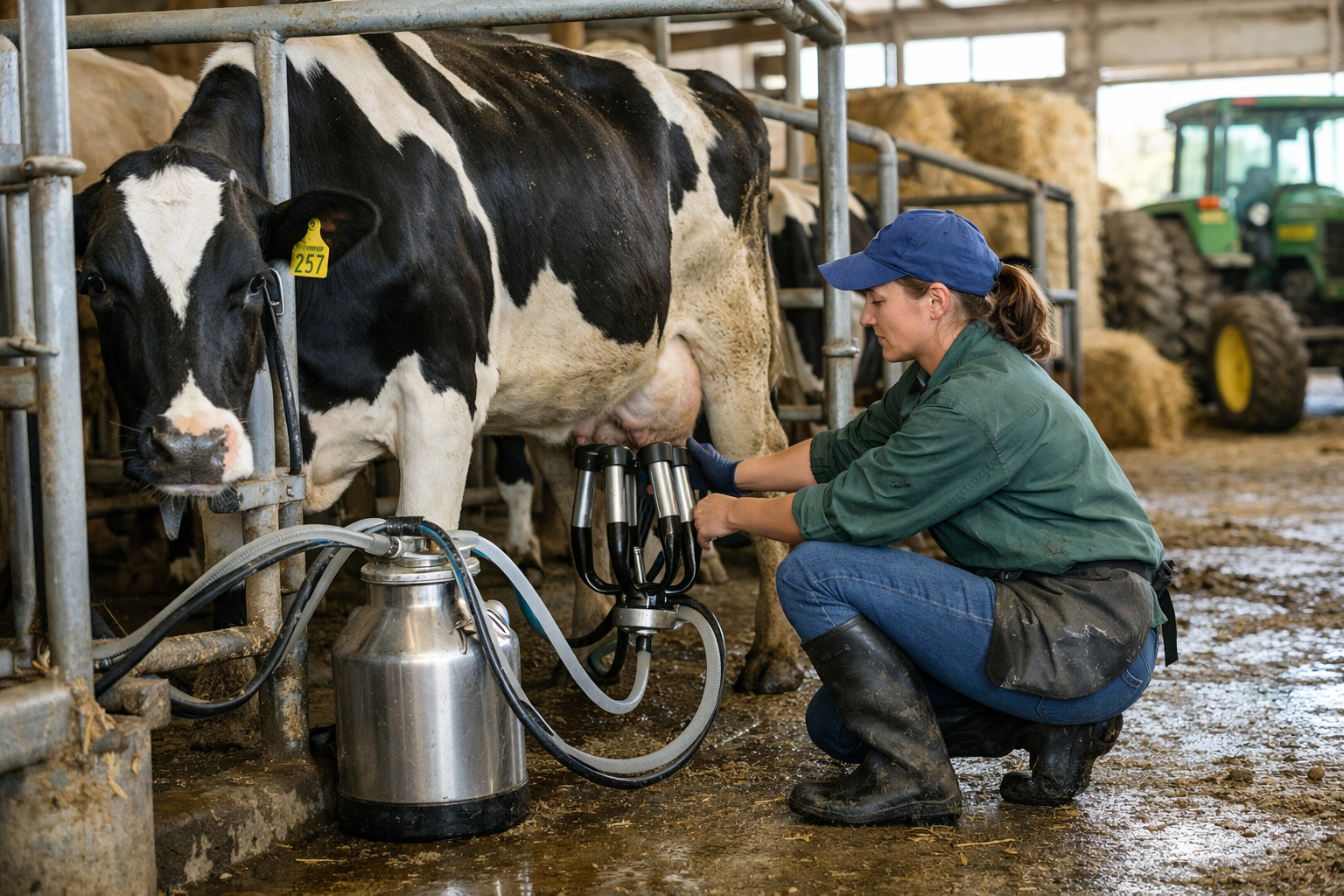
Milk intake by Irish processors fell for a second consecutive month in May, with figures from the Central Statistics Office showing that domestic collection declined by 1.6% compared with the same month of 2025.
Processors received 1.164 billion litres during May, down from approximately 1.183 billion litres a year earlier. The reduction followed a 3.4% annual decline in April, when intake fell to 1.038 billion litres from 1.075 billion litres.
Across the first five months of the year, Irish milk intake reached 3.545 billion litres. The total was 0.7% lower than during the corresponding period of 2025, although it remained 6.9% above the same point in 2024, when difficult weather constrained output.
Milk composition improved despite the lower volume. Average fat content rose to 4.10% from 3.98%, while protein increased to 3.51% from 3.47%, giving processors a stronger concentration of saleable components within each litre collected.
Butter production increased to 35,900 tonnes compared with 34,400 tonnes in May 2025. Higher fat levels supported output even as the overall volume entering Irish plants declined.
Ireland’s intake movement differed from several major continental producers during the opening months of the year. Between January and April, collections increased by 6.7% in Germany, 4.5% in France, 5.4% in the Netherlands, 7% in Italy, and 9.2% in Belgium.
Milk solids cushion lower intake
Litres alone do not determine processing value because higher fat and protein increase the quantity of butter, cheese, milk powder, and specialised ingredients available from each tanker load. Stronger solids can therefore offset part of a volume decline, especially where plants can direct components towards higher-value applications.
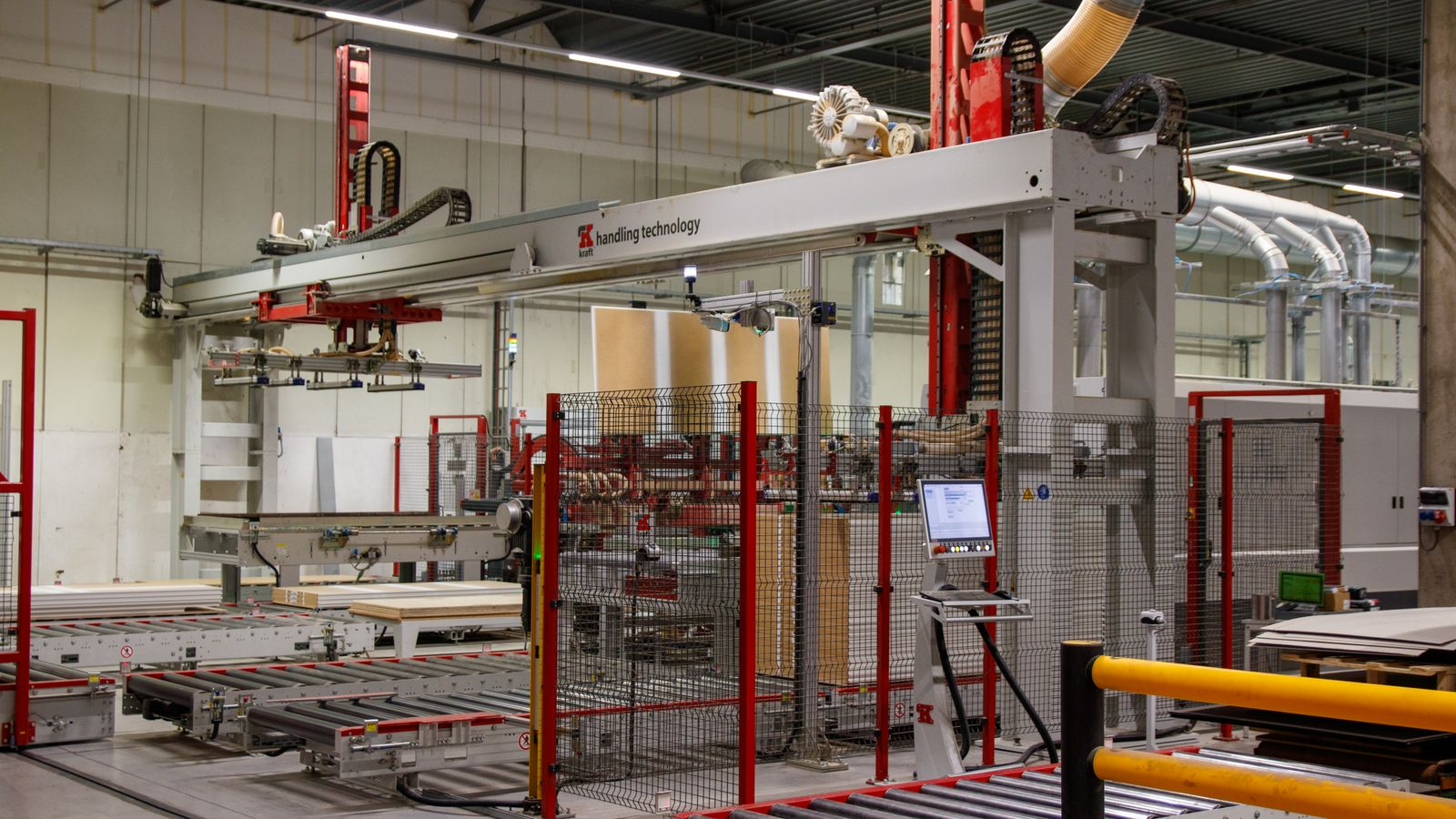
The balance remains difficult to manage because dairy factories carry substantial fixed costs and operate most efficiently when intake matches planned throughput. Lower volume during the seasonal peak can leave separation, evaporation, drying, and packing assets below preferred utilisation.
A rapid recovery presents the opposite problem. Storage, tanker scheduling, processing, and powder capacity can come under pressure when milk production rises more quickly than plants can redirect the additional material into suitable products.
That contrast has already appeared elsewhere in northern Europe, where surplus milk has placed pressure on FrieslandCampina’s processing network. Regional differences can create constrained utilisation in one market while neighbouring plants struggle to absorb excess supply.
Irish dairy processors have invested heavily since the removal of EU milk quotas, adding capacity for cheese, butter, nutritional powders, and specialised ingredients. Returns on those assets depend on a milk pool stable enough to support utilisation without forcing businesses to maintain expensive spare capacity for short seasonal peaks.
The country is also attracting new downstream investment. A €300 million programme announced by Kinisla is intended to expand higher-value dairy manufacturing, adding further demand for reliable milk supply, technical labour, utilities, and supporting infrastructure.
Greater processing competition can improve returns for farmers while increasing the need for accurate milk forecasting. Long-term investments in drying, separation, fermentation, and cheese production require confidence that sufficient raw material will be available throughout the life of the equipment.
Farmgate economics will influence the direction of supply during the remainder of the year. Feed, fertiliser, energy, labour, environmental compliance, and milk prices shape decisions on herd size and supplementary feeding, while weather controls grass growth and the seasonal curve.
Processors can manage some variation through product mix, inventory, and contracts, but they cannot replace milk solids that fail to reach the plant. Conversely, large surpluses can force milk into lower-value products when capacity and market demand are already committed elsewhere.
May’s figures therefore combine softer intake with stronger manufacturing quality. The next monthly releases will show whether the two-month decline represents a temporary seasonal adjustment or a more persistent constraint on plant utilisation and Ireland’s export-oriented dairy sector.