IN Brief:
- UK regulators have cleared Ivy Farm cultivated Wagyu for use as a pet food ingredient, rather than for human consumption.
- The Oxford business grows bovine cells in controlled bioreactors and has tested the ingredient in a small-scale dog treat assessment.
- Its first commercial-scale run is scheduled for early 2027, with a separate European pet food application under way.
Ivy Farm Technologies has received UK regulatory clearance to supply cultivated Wagyu beef as an ingredient for pet food, establishing a first commercial route for the cell-cultivated product made at its Oxford facility. The approval followed engagement with the Department for Environment, Food & Rural Affairs and the Animal and Plant Health Agency. Ivy Farm can now offer the material to pet food brands and manufacturers, although the company expects its first commercial-scale production run to be completed in early 2027.
UK clearance provides an authorised application and an immediate route to prospective UK pet food customers, but supply at industrial volumes has yet to be demonstrated. Ivy Farm is engaging with brands and manufacturing partners ahead of its first commercial-scale run, scheduled for early 2027. Its work on regulatory approval for human food continues through separate procedures. The permission for pet food neither extends to human consumption nor establishes an equivalent authorisation in other territories.
Cultivated Wagyu begins with cells taken from a single individually registered F1 Wagyu cow. Instead of repeatedly sourcing animals for slaughter, the process propagates those cells under controlled conditions before harvesting the resulting material for formulation. Industrial cell cultivation requires a nutrient supply, managed growth conditions and procedures to keep unwanted microorganisms out of the culture. The precise yields, production-cycle duration and material requirements of Ivy Farm’s upcoming commercial run have not been disclosed, limiting independent comparisons with established beef processing.
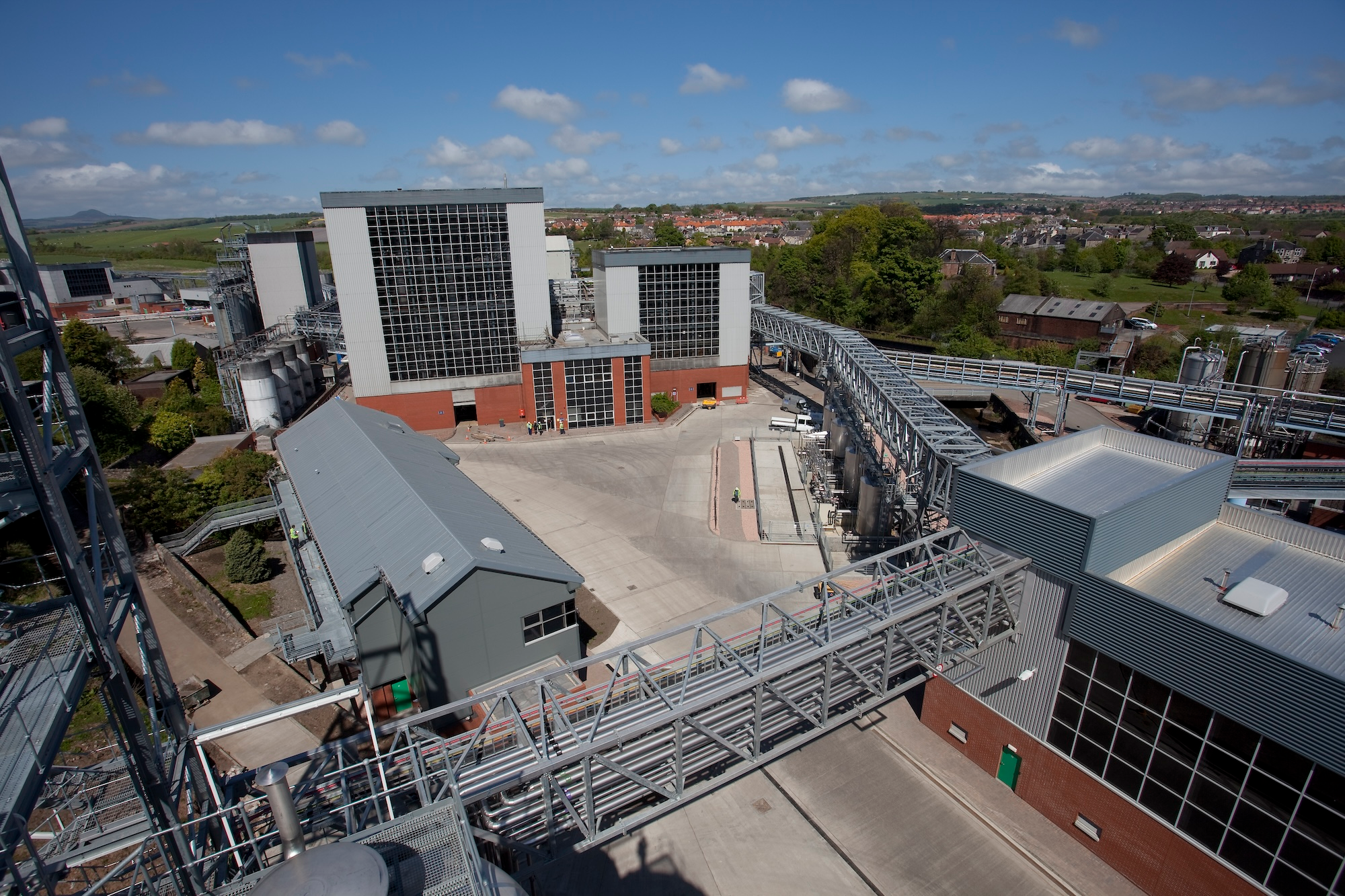
Inside a protein factory, this production route changes the work performed. Conventional meat processing involves handling carcases, maintaining temperature controls and cutting or further processing the meat; cultivated material depends first on cell propagation, culture monitoring and downstream recovery. Stable growth conditions, nutrient utilisation, hygiene and repeatable batch quality are central operating requirements. Once harvested, the ingredient must meet the composition, traceability and safety specifications agreed with the pet food manufacturer, alongside the usual controls applied to the finished product.
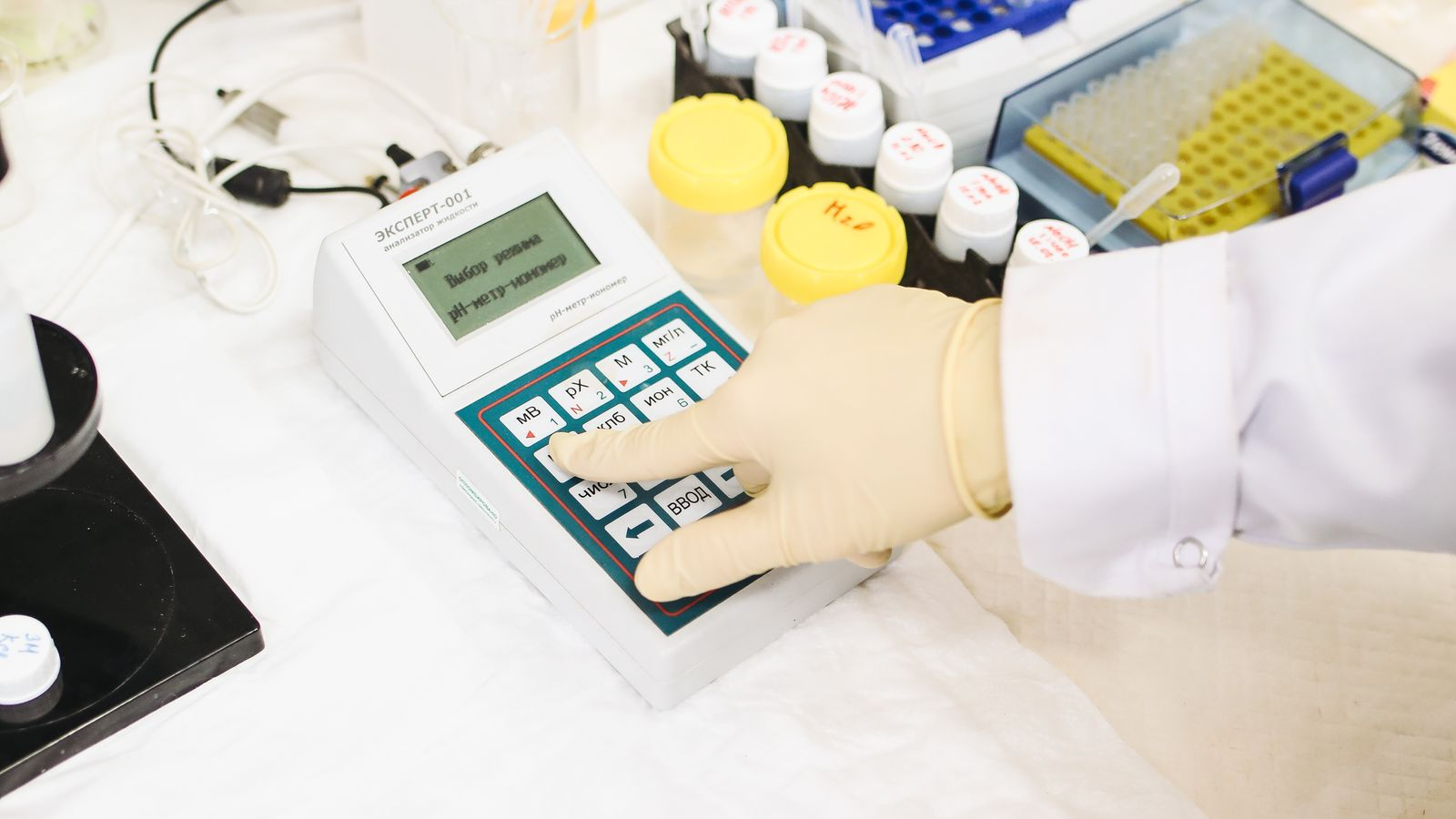
According to Ivy Farm, independent laboratory testing found that 98% of the protein in its cultivated Wagyu was digested in vitro, compared with 91% for conventional beef and 72% for chicken under the reported comparison. The company also describes the ingredient as rich in nutrients. The reported digestibility percentages are laboratory measurements, not results from a controlled feeding trial measuring nutrient uptake in dogs or cats. The nutritional adequacy of a complete food depends on its full recipe and intended feeding use.
A small blind palatability assessment with pet food manufacturer Fold Hill examined whether dogs accepted a treat containing cultivated Wagyu when offered alongside a conventional beef treat. Ivy Farm says acceptance was similar in the two groups. That result gives product developers an initial formulation signal but does not establish performance across industrial wet-food, kibble or retorted formats. Individual recipes will still need tests for palatability, shelf life, consistency and manufacturing behaviour before commercial placement.
After harvesting, processing requirements can be as consequential as cultivation. Pet food makers combine proteins with other ingredients before operations such as extrusion, retorting or drying, depending on the finished product. Heating and moisture removal can change texture, water retention and flavour, while the particle size and handling properties of an ingredient affect mixing and dosing. Ivy Farm has not released comparative data covering every processing method, so prospective customers will have to validate specifications and process settings within their own production lines.
A separate British developer, Meatly, has outlined plans for a 20,000-litre pilot site in London, while Ivy Farm is preparing its own Oxford production run. Their products and operating methods differ, and neither announcement establishes a uniform cost base for the sector. Regulatory permission can support customer trials, but commercial contracts will also depend on dependable production schedules and consistent ingredient quality.
A separate European application is pending for Ivy Farm’s cultivated Wagyu as a pet food ingredient. The UK decision does not automatically authorise sales elsewhere, and approvals for human consumption must proceed through their own assessments. The business is pursuing human food applications in the UK, Europe and the United States, where separate regulators examine the relevant evidence. Continued regulatory work will run alongside the company’s commercial preparations for supplying UK pet food partners.
Ivy Farm cites life-cycle modelling from CE Delft under which cultivated beef produced at scale could use up to 95% less land and 78% less water than conventional beef, with greenhouse gas emissions up to 92% lower when renewable electricity is used. These are scenario-based estimates, not measured environmental results from commercial output at Oxford. Electricity sourcing, cultivation media, equipment utilisation and process yield will determine whether projected reductions can be replicated as production volumes increase.
An initial commercial-scale run in early 2027 will therefore provide a more tangible indication of manufacturing readiness than the regulatory milestone alone. Pet food companies will need ingredient specifications, dependable delivery volumes and processing trials before incorporating the material into routine production. Ivy Farm can now seek UK orders for an authorised pet food ingredient; its output capacity, production costs and readiness for repeated deliveries remain to be established as the facility scales.