IN Brief:
- Lesters is taking a 101,000 sq ft Cannock site through an investment exceeding £2 million.
- New equipment includes flatbed die cutting, strapping, waste extraction, stitching and conveying systems.
- Burntwood will concentrate on high volume production while a second TCY casemaker remains under consideration.
Lesters is investing more than £2 million in a 101,000 sq ft manufacturing, warehousing and office site in Cannock as it reorganises production between the new facility and its existing factory in Burntwood.
Manufacturing and distribution activity at the Hawkins Drive site is scheduled to begin during November, with office staff moving by the new year. Ten jobs are planned initially.
Burntwood will become more heavily concentrated on high volume corrugated production, while Cannock takes warehousing, stores, administration and lower volume specialist manufacturing. The split gives Lesters more room around its principal converting equipment without moving all activity into a single larger factory.
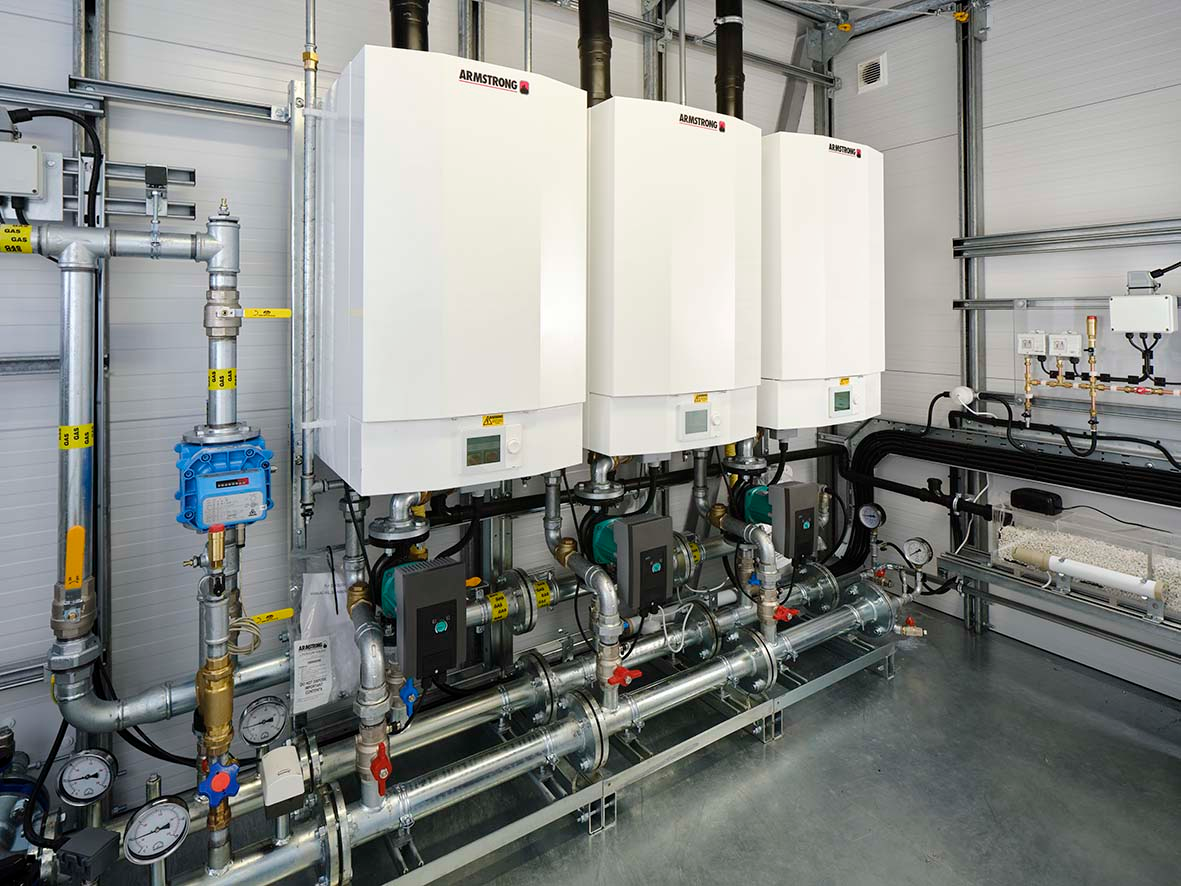
The Cannock investment includes flatbed die cutting, a new strapping line, waste extraction, a two piece stitcher and a conveyor system intended to reduce manual movement between operations.
Large corrugated cases consume substantial floor area before and after conversion, making internal movement a significant part of production. Sheet board, work in progress and finished packs have to pass through cutting, joining, bundling, pallet handling, storage and dispatch without blocking access to machines.
A conveyor can remove some repeated manual transfer, although the benefit depends on whether the route follows the actual production sequence. Poorly positioned automation can simply move congestion from one point to another if storage and downstream equipment cannot absorb the incoming volume.
Waste extraction supports the die cutting operation by removing trim and offcuts as they are produced. Increasing converting capacity without increasing waste handling can leave scrap accumulating around machinery and restrict the speed at which finished work is cleared.
The two piece stitcher expands the finishing operations available for large and heavy duty cases. Mechanical stitching joins corrugated sections where case dimensions or load requirements make a single blank or adhesive construction less suitable.
Lesters specialises in large format corrugated packaging, including pallet boxes, heavy duty cases, die cut formats and octabins for bulk products. The Cannock expansion is not dedicated to food packaging, but the same manufacturing capability supplies transit packaging used across several industrial markets.
The company employs 64 people and describes the latest investment as a response to growth that has pushed the existing footprint towards its practical limit. Its longer term plan includes annual revenue of £30 million by 2030.
Splitting production types between sites can reduce interruptions at Burntwood if high volume machines are able to run longer campaigns without competing with stores, administration and short specialist jobs for the same space.
The opposite risk is additional movement between the two facilities. Materials or partly completed work that regularly travel from one site to the other introduce handling, transport and scheduling that did not exist when operations were concentrated in one location.
Clear allocation of work will therefore determine whether the new structure reduces congestion overall. Cannock has to operate as a defined manufacturing and logistics centre rather than an overflow building that repeatedly sends products back through Burntwood.
Lesters is also considering a second TCY Jumbo Casemaker as part of its next capacity phase. Discussions with the equipment manufacturer are continuing, with the company indicating that the machine could become operational within 18 months if the purchase proceeds.
No second casemaker has yet been announced as ordered. The new premises instead create enough physical and operational space for Lesters to consider that investment while concentrating the existing TCY equipment on high volume work at Burntwood.
The first TCY Jumbo Casemaker formed part of an earlier machinery programme and increased Lesters’ capability in large format and heavy duty corrugated cases. A second machine would increase converting capacity, but only if board supply, waste removal, finishing, pallet handling and dispatch can support the additional output.
The Cannock project addresses several of those supporting constraints simultaneously through additional warehousing, conveying, finishing and distribution capacity. Production begins in November, when the two site arrangement will start to show whether separating specialist and high volume work creates the throughput improvement Lesters expects.