IN Brief:
- Mauri has completed a greenfield flour mill in Ballarat after a five year development and commissioning programme.
- The project exceeded A$200 million and gives the site milling capacity of 530 tonnes per day.
- Nineteen Bühler Arrius grinding systems form part of a site designed around Victorian wheat and future expansion.
Mauri has completed a new flour mill in Ballarat, Victoria, creating 530 tonnes per day of milling capacity after an investment exceeding A$200 million.
The George Weston Foods business developed the greenfield plant over five years from concept through commissioning, replacing operations at its ageing North Melbourne mill as urban development increasingly constrained the older site.
Ballarat gave the company an opportunity to redesign production around a purpose built industrial location rather than adapt infrastructure developed for an earlier generation of milling. The new complex covers around 84,000 square metres and includes space and supporting infrastructure for further expansion.
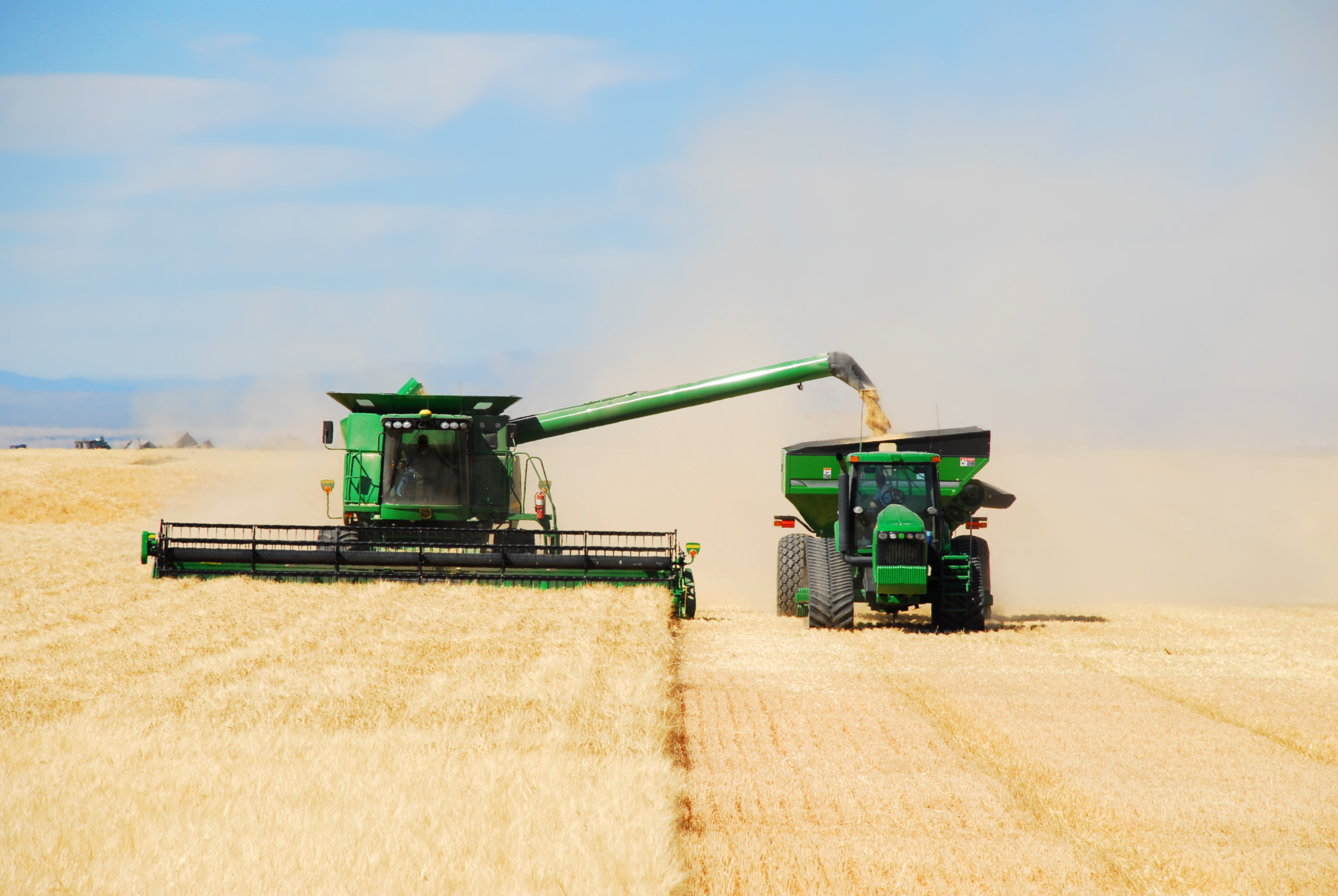
Its location in Victoria’s central highlands also places the mill closer to a major grain producing region. Mauri sources the site’s wheat from Victorian growers, reducing the distance between farms and the mill while keeping the plant connected to road and rail infrastructure.
Incoming grain can arrive by truck or rail before passing through initial cleaning and into 11 wheat silos with combined storage capacity of around 5,000 tonnes. From there, wheat moves to a separate cleaning house for further preparation and conditioning before entering the main milling process.
The cleaning house extends across seven floors and reaches approximately 35 metres in height, reflecting the use of gravity and vertical material movement in flour production. Conditioned wheat then moves into the five storey mill, where grinding, sifting and classification progressively separate the grain into flour streams and milling byproducts.
Nineteen Bühler Arrius roller mills are installed in the 530 tonne per day operation. The Ballarat project is reported as the first installation of the integrated Arrius grinding system in the Southern Hemisphere.
Arrius combines grinding hardware, drive components, feed control and monitoring within one platform. Bühler says its feed module distributes product across the roller length while onboard sensors monitor elements including the feed system, roller pack, motor and gearbox.
Roller milling depends on maintaining controlled gaps and feed rates through successive grinding stages. Wheat is not reduced to finished flour in a single pass; the process gradually opens the kernel and separates endosperm from bran through a sequence of break and reduction passages.
Consistency at each passage influences what reaches the next stage. Uneven feeding or changes in grinding conditions can affect both energy consumption and flour characteristics downstream, which is why modern roller mills increasingly combine mechanical grinding with continuous monitoring and automated control.
The Ballarat facility was also laid out with safety and traffic separation in mind. A ring road around the site separates vehicle movements from pedestrian areas, while the greenfield footprint allowed Mauri to plan storage, processing and future expansion together rather than inherit the constraints of the North Melbourne location.
Those constraints can become significant for mills whose physical infrastructure remains in service for decades. Adding capacity to an established urban site can be difficult where neighbouring development limits available land, heavy vehicle movements or construction access.
The project forms part of wider investment by George Weston Foods across its manufacturing network. Mauri supplies flour, yeast, bakery ingredient solutions and animal nutrition products across Australia and New Zealand, placing the new mill upstream of a broad commercial bakery and food manufacturing customer base.
Raw material geography shapes the economics of milling because plants handle large tonnages of grain before converting it into products with tighter functional specifications. Transport distance and reliable access to wheat therefore influence operating cost well before finished flour leaves the site.
Locating the plant in a major Victorian growing region shortens that first section of the supply chain while retaining distribution links for finished products. Mauri has also used the relocation to install a modern process line, redesign internal logistics and leave room for further development.
With 530 tonnes of daily milling capacity, Ballarat now becomes a substantial production asset within Mauri’s Australian network rather than a simple replacement for the North Melbourne operation it succeeds.