IN Brief:
- Henkell Freixenet is installing Solos Technology’s Aroma Recovery System at its Wiesbaden alcohol free production centre.
- The system captures natural wine aroma compounds after alcohol removal before reintegrating them into the finished product.
- Fürst von Metternich Riesling Alcohol-free is among the first products developed through the collaboration.
Henkell Freixenet is installing patented aroma recovery technology at its Wiesbaden production site as it develops the next generation of alcohol free sparkling wines.
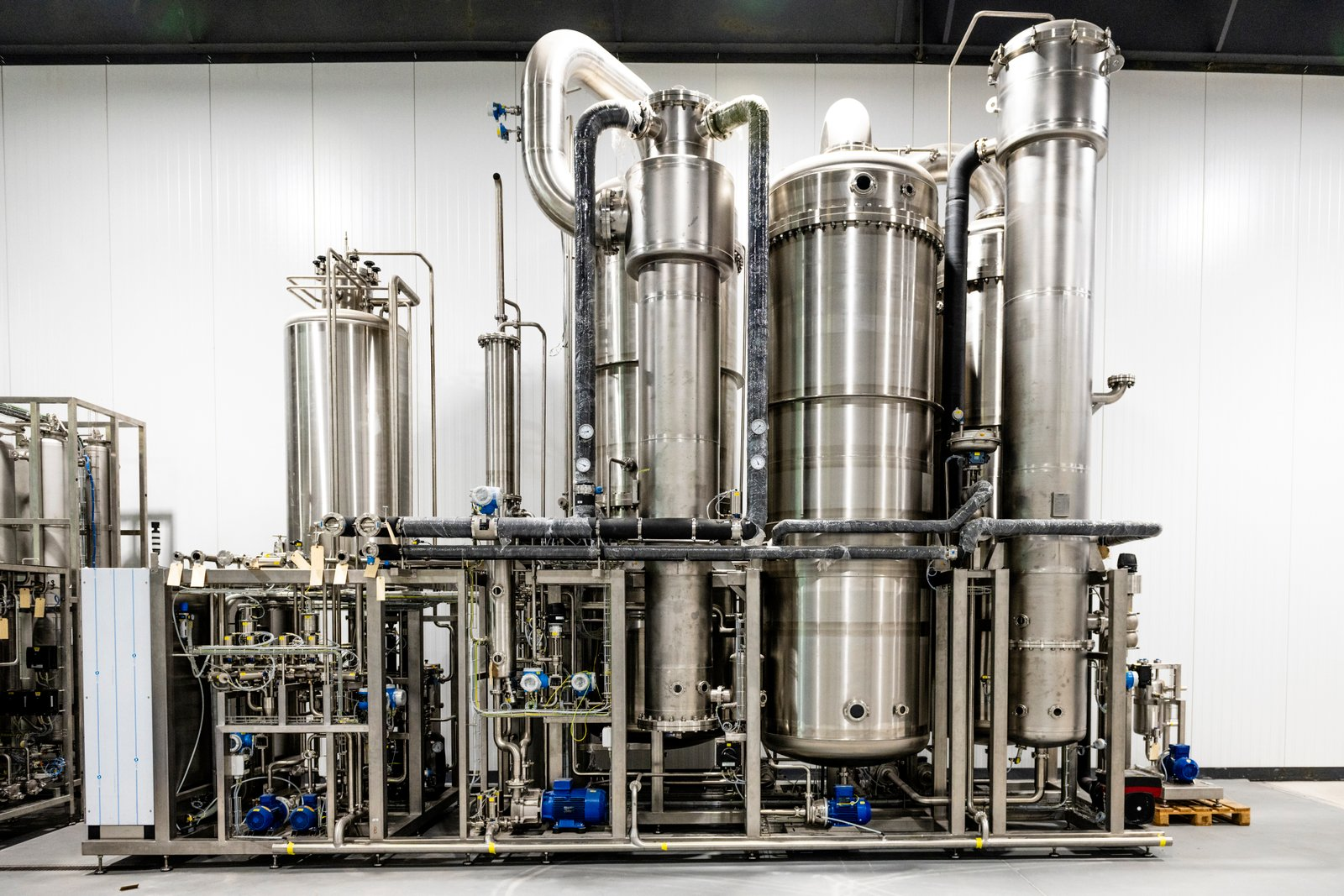
The group is deploying Solos Technology’s Aroma Recovery System at Wiesbaden, which Henkell Freixenet uses as its expertise centre for alcohol free production. The equipment is designed to capture natural aroma compounds following alcohol removal and return them to the finished wine, reducing sensory losses associated with dealcoholisation.
Removing alcohol creates a particular processing challenge because ethanol is only one of the volatile components contributing to the character of wine. Aroma compounds can also be affected during separation, leaving producers to balance the required alcohol level against retention of the flavour and aromatic profile of the original product.
Solos separates aroma recovery from final formulation. Its system captures aroma compounds associated with the wine after the alcohol removal stage, after which they can be carefully reincorporated into the finished product. The process gives the producer another control point for preserving characteristics of the original wine rather than relying solely on adjustments made once dealcoholisation is complete.
Henkell Freixenet has more than 30 years of experience in alcohol free sparkling wine production and is positioning the installation as a further development of that capability. The group says preserving taste, complexity and varietal character has become increasingly important as the category develops beyond basic alcohol removal.
Fürst von Metternich Riesling Alcohol-free is among the first products in Henkell Freixenet’s portfolio developed through the collaboration with Solos. Project imagery shows the product on the bottling line, connecting the aroma recovery work with commercial production rather than laboratory development alone.
Eberhard Benz, CTO and Vice Chairman of the Executive Board at Henkell Freixenet, said the producer has continually worked to improve the quality and sensory character of its alcohol free sparkling wines. The partnership combines that winemaking experience with a dedicated recovery system intended to preserve natural aromas more effectively through processing.
Ethanol contributes to flavour release, mouthfeel and the way volatile compounds are perceived, so lowering alcohol changes more than the declared strength of the drink. Producers have to control several interacting characteristics if the finished wine is to remain recognisably connected to its alcoholic counterpart.
Aroma recovery addresses one of those changes directly. Capturing compounds from the original material allows manufacturers to work with aromas already present in the wine rather than rebuilding the profile exclusively through later additions or recipe adjustments.
Solos CTO Claudia Geyer said development of the no and low alcohol category is increasingly focused on preserving the identity of the original wine. The company is therefore positioning aroma recovery as part of the core dealcoholisation process rather than a separate flavour correction exercise.
Locating the system at Wiesbaden also keeps development close to an existing centre of expertise. Process engineers and winemakers can assess how different recovery and reintegration settings behave on products already moving through the site, shortening the path between trials, sensory assessment and commercial production.
More precise management of recovered aroma compounds could also give producers greater room to differentiate individual wines. Different varietal and brand profiles can be developed without treating all dealcoholised products as an identical base followed by extensive reformulation.
As volumes increase across the alcohol free category, repeatability becomes as important as sensory performance. Recovery equipment has to operate predictably alongside upstream wine preparation, alcohol removal, final blending and bottling, with each stage capable of influencing the finished product.
Henkell Freixenet’s Wiesbaden installation moves the technique into an established sparkling wine operation where those interactions can be assessed at manufacturing scale. The project will provide a clearer indication of how much aroma recovery can preserve wine character while remaining compatible with the throughput and consistency required in commercial production.