IN Brief:
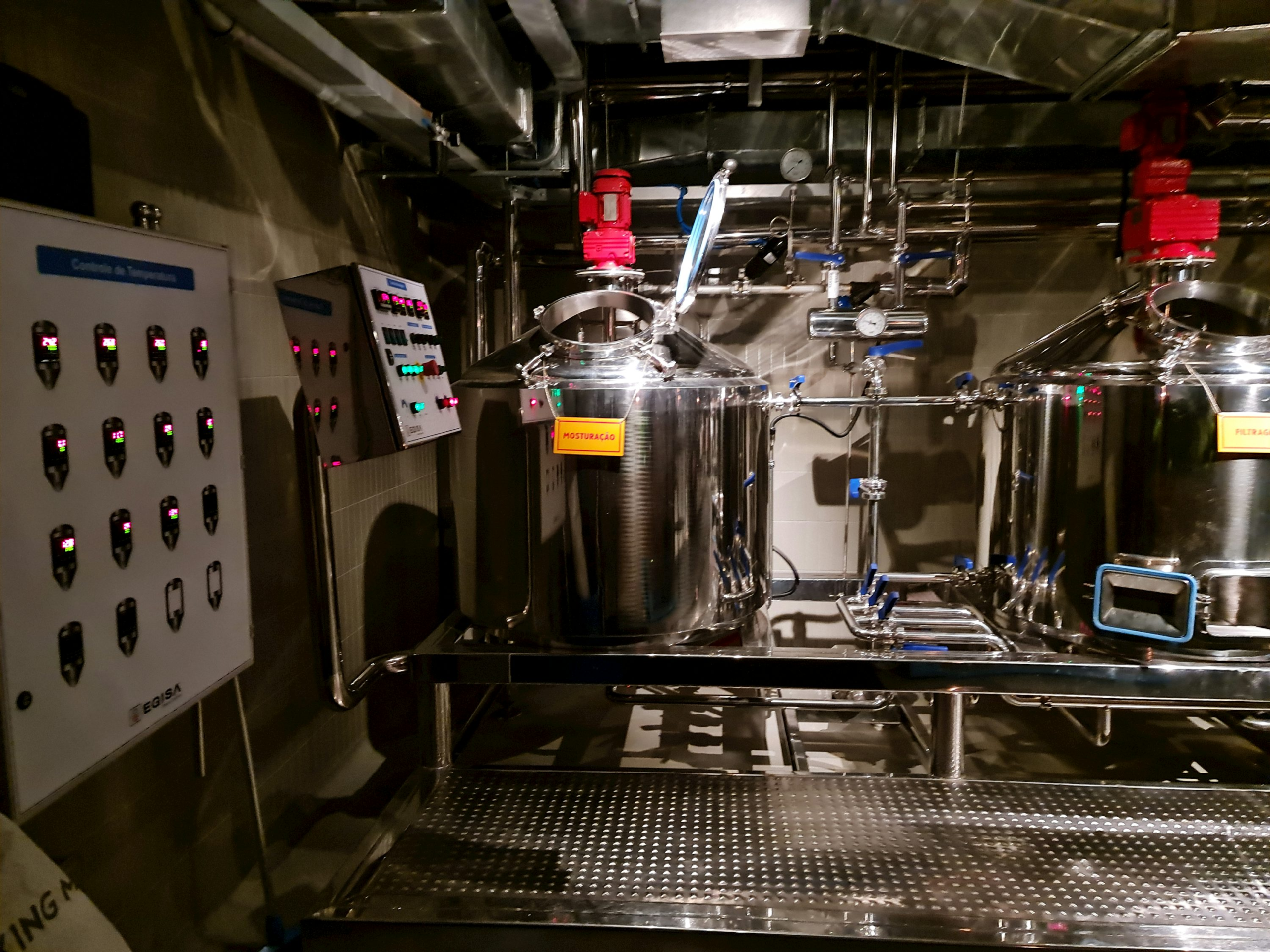
- Six meat packaging lines at Migros Lucerne now receive vacuum from a central Busch system.
- The installation supplies different pressure levels for thermoforming and Darfresh skin packaging.
- Central generation reduces the number of pumps in use while moving heat, noise, and maintenance away from production.
Migros Lucerne has transferred six meat packaging lines to a central vacuum system supplied by Busch Vacuum Solutions, replacing individual line-level arrangements with a demand-controlled factory utility.
The Swiss production site processes and packs meat for the domestic retail market using thermoforming and Darfresh skin packaging equipment. Each process requires a controlled vacuum profile, with deviations affecting forming quality, gas exchange, seal integrity, pack appearance, cycle time, and shelf life.
Thermoformed packs are evacuated, backfilled with gas, and frame-sealed at pressures between 20 and 200 mbar, while the Darfresh process operates at approximately 5 to 15 mbar as the upper film is drawn closely around the product and tray. The central installation provides the different vacuum levels required by these duties through a shared distribution network.
By reducing the number of pumps operating across the packaging area, Migros has lowered the amount of equipment running at partial load and created a more stable source of vacuum for simultaneous production demand. Central controls bring pumps online as required, rather than keeping separate units operating continuously beside individual machines.
Vacuum tanks and buffer capacity help absorb sudden changes in demand as packaging cycles overlap. Without sufficient reserve, several machines drawing vacuum together can cause pressure fluctuations, longer evacuation times, and inconsistent pack formation.
Redundant capacity allows pumps to be isolated for maintenance without removing vacuum from every connected line. In a chilled meat operation, where cutting, portioning, packing, and dispatch are closely sequenced, preserving packaging capacity prevents disruption from moving rapidly into upstream production.
Stable vacuum supports pack consistency
Vacuum is a process parameter rather than an auxiliary service in meat packaging. Thermoforming depends on controlled evacuation to shape the lower web, remove air, and prepare the pack for sealing, while skin packaging requires the film to conform to the product without trapping air or distorting its presentation.
Pressure instability can produce incomplete forming, residual air, weak seals, poor skin contact, and slower cycles. Some failures are immediately visible, whereas others only emerge later through reduced shelf life, pack lifting, leakage, or inconsistent modified-atmosphere conditions.
As lines run faster and packaging structures become thinner, the operating margin can narrow. Stable vacuum reduces one source of process variation, allowing forming temperature, seal pressure, dwell time, and material performance to be controlled against a more consistent baseline.
Central generation also enables more detailed monitoring of pressure, pump load, system leakage, operating hours, and maintenance condition. Trends that would be difficult to compare across isolated pumps can be reviewed through one control system, supporting condition-based maintenance and earlier detection of declining performance.
Leaks remain an important efficiency factor because a poorly maintained pipe network can offset the benefit of more efficient generation. Correct pipe sizing, isolation valves, pressure sensors, and routine leak testing are therefore central to the installation’s long-term performance.
Heat and maintenance leave the packing floor
Moving vacuum pumps away from production has reduced heat and noise within the packaging area. Pumps release thermal energy during operation, adding to the load on refrigeration and ventilation systems in rooms that must already be maintained at controlled temperatures.
Removing that heat at source can reduce local cooling demand and create a more stable working environment. The benefit becomes greater where several pumps previously operated continuously beside multiple packaging machines.
Maintenance activity is also transferred to a dedicated plant area, allowing oil changes, filter replacement, inspection, and fault diagnosis to take place away from exposed food and primary packaging. Engineering access improves, while the need to open, move, or service pumps within hygienically controlled rooms is reduced.
Centralised utilities are becoming more common as food factories review the efficiency of compressed air, refrigeration, steam, chilled water, and vacuum across complete sites rather than individual machines. Shared infrastructure allows capacity to be matched against combined demand, although pipe losses, excessive reserve capacity, and poor sequencing can undermine the expected savings.
The most effective systems are designed around measured load profiles rather than nominal machine ratings. Packaging lines rarely draw maximum vacuum simultaneously for their entire operating period, so understanding cycle demand allows fewer pumps to serve the installed equipment without compromising pressure stability.
Migros has applied that approach to a process where utility performance is inseparable from pack quality. The installation combines energy management, maintenance access, hygiene, and operational resilience within one engineering project, while leaving sufficient capacity for the different pressure requirements of six production lines.