IN Brief:
- Morrisons is exploring wider supply opportunities through its in-house food manufacturing arm.
- Myton Food Group produces categories including meat, fish, pies, eggs, bakery, produce, and flowers across the retailer’s production estate.
- The move reflects a broader push to improve factory utilisation and extract more value from vertically integrated food manufacturing assets.
Morrisons is exploring opportunities to supply food to other grocery and hospitality customers through Myton Food Group, its food manufacturing business.
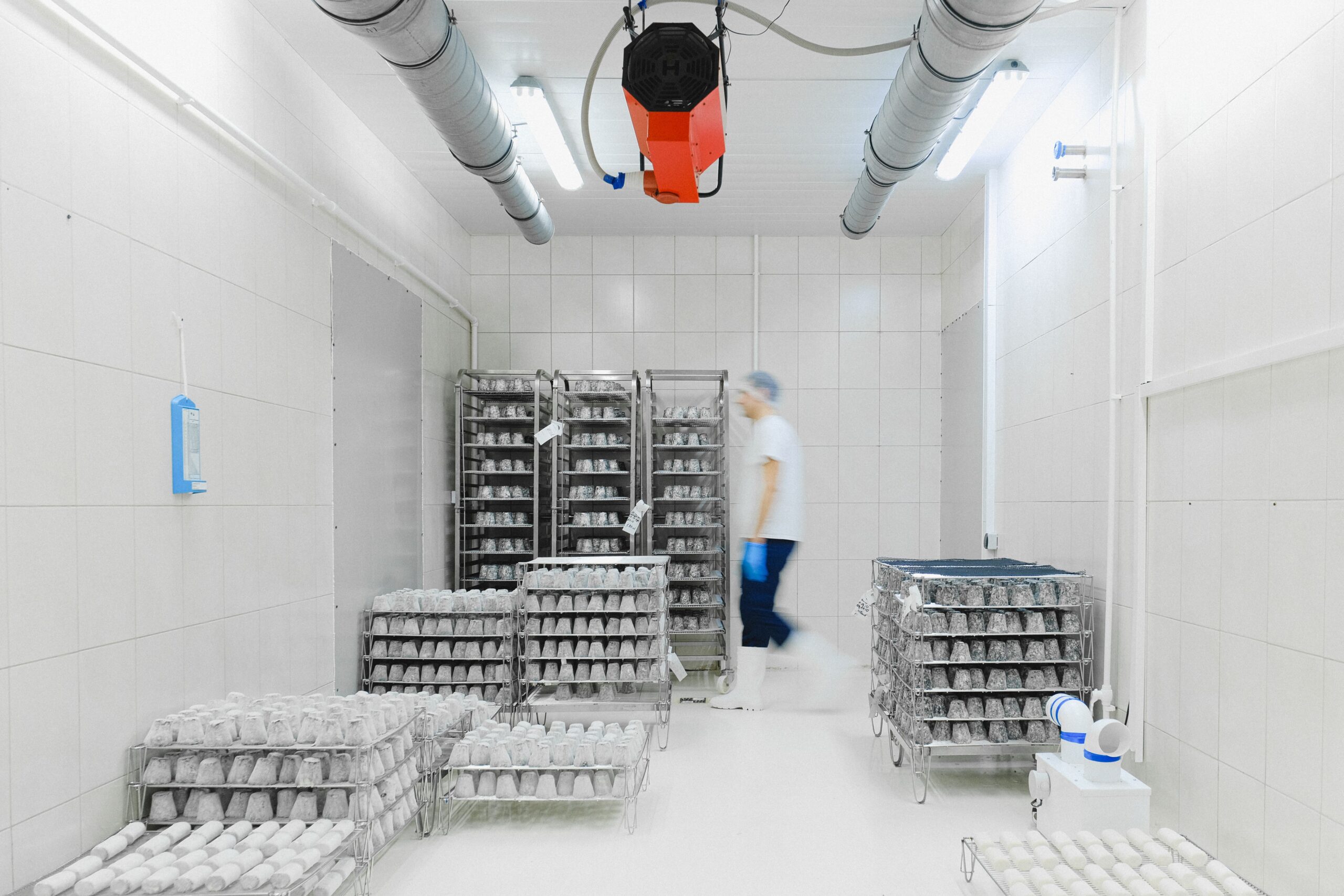
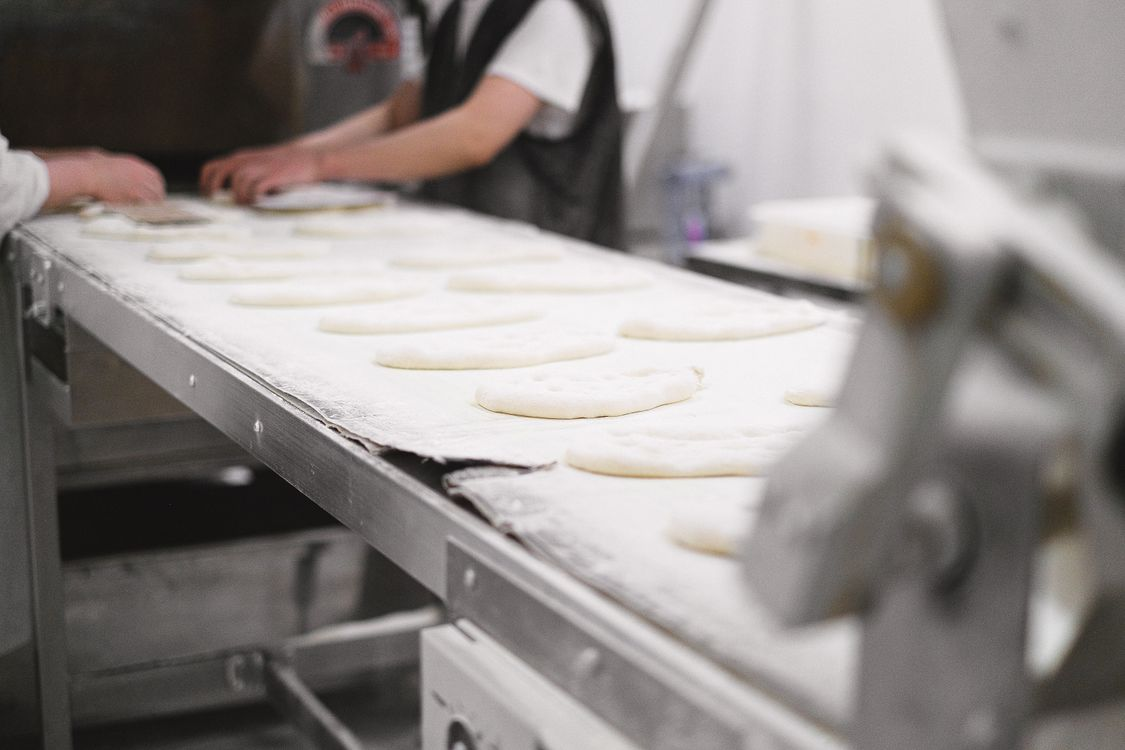
Myton produces a broad range of categories linked to Morrisons’ vertically integrated model, including fresh meat, fish, savoury and sweet pies, eggs, bakery products, fruit and vegetables, and flowers. The business already supplies independent retailers, and a wider customer base would give the manufacturing arm a larger role outside the Morrisons store estate.
The retailer has been working to reduce debt while competing in a UK grocery market shaped by discounters, price pressure, and margin discipline. Using factory capacity beyond internal retail demand gives Morrisons another route to improve asset utilisation, spread fixed costs, and generate revenue from a manufacturing base built over decades.
A Morrisons spokesperson said: “Myton already manufactures products for both Morrisons and other independent retailers, and we are always looking at opportunities to serve more customers with Myton’s brilliant products.”
Morrisons remains unusual among major UK supermarkets because of the depth of its food production estate. Myton’s roots run through the retailer’s in-house manufacturing operations, with sites covering fresh food, meat, fish, eggs, bakery, produce, horticulture, and chilled manufacturing. That structure gives the supermarket more control over parts of its supply chain than many competitors, but it also leaves the business carrying fixed production assets that need strong throughput.
Supplying third-party customers would move Myton closer to a hybrid model between retailer-owned production and contract manufacturing. The factories could continue to support Morrisons’ own retail proposition while serving selected external customers where capacity, specifications, and commercial terms align.
Operationally, the model is demanding. Different customers may require distinct recipes, packaging artwork, labelling rules, audit standards, service levels, technical documentation, and delivery patterns. If the customer is a direct grocery rival, governance around confidentiality and category information becomes particularly important.
Private-label food manufacturing already works under those conditions across the UK market. Large suppliers routinely produce for competing retailers, with strict controls over specifications, costings, forecasts, launches, and customer data. Morrisons and Myton would need to demonstrate the same discipline while managing the additional sensitivity of a retailer-owned manufacturing business supplying potential competitors.
Factory utilisation is a central reason to consider the shift. Labour, energy, ingredients, packaging, and finance costs have raised the cost of underused capacity across food manufacturing. In chilled and fresh categories, where shelf life is short and line scheduling is tightly linked to dispatch windows, idle time can damage margins quickly.
Myton’s breadth gives Morrisons flexibility, but it also increases complexity. Meat processing, bakery, egg grading, produce packing, and chilled food manufacturing each have different planning rhythms, hygiene regimes, labour profiles, and margin structures. Expanding external supply would require category-by-category discipline rather than a single broad push for volume.
Hospitality and foodservice customers may offer a cleaner route than direct grocery rivals, especially where Myton can use existing production strengths without creating retail conflict. Larger grocery supply agreements could carry greater volume potential, but they would require stronger commercial separation and trust.
The asset base gives Morrisons an option that many retailers do not have. If Myton can operate as a credible manufacturing partner beyond the supermarket’s own shelves, the group could turn vertical integration from a defensive retail capability into a broader production platform. The execution challenge will be keeping factory efficiency, customer confidentiality, and Morrisons’ own retail needs in balance.