IN Brief:
- Nescafé sourced 53% of its green coffee from farmers adopting regenerative agriculture practices in 2025.
- The programme includes agronomy support, plant distribution, emissions reduction, and value-chain reporting.
- Coffee manufacturers are tying supply resilience more tightly to farm support, climate adaptation, and Scope 3 emissions.
Nestlé has reported that Nescafé sourced 53% of its green coffee from farmers adopting regenerative agriculture practices in 2025, passing the halfway point in one of the world’s largest coffee sourcing programmes.
The update forms part of Nescafé Plan 2030 and covers farming, manufacturing, distribution, packaging, and social impact. Nescafé also reported an 18.3% reduction in green coffee emissions against a 2018 baseline, supported by field programmes across 15 coffee-producing countries.
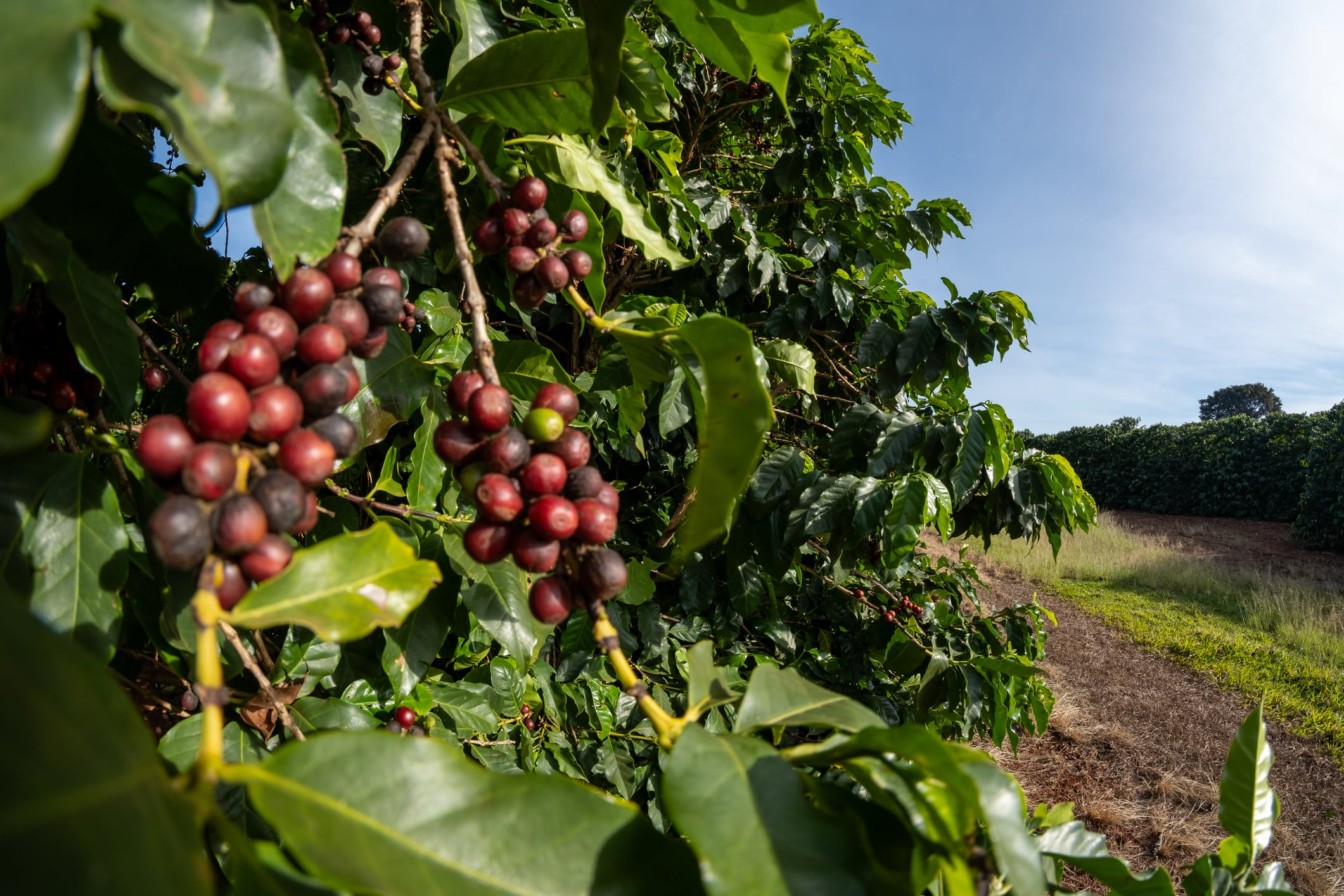
More than 1,600 agronomists and field staff supported farmers during the year, while the programme continued distributing coffee plantlets intended to improve productivity, resilience, and adaptation to climate pressure. The brand has also reported high renewable electricity use across its operations, although agricultural emissions remain the dominant challenge in the coffee value chain.
Coffee illustrates why food and drink companies are putting more attention upstream. Soluble coffee plants, roasting operations, and packing lines depend on a crop exposed to climate volatility, disease, water stress, price movement, and smallholder economics. Improvements inside the factory cannot fully protect supply if farm productivity and resilience weaken.
The regenerative sourcing milestone therefore sits alongside broader concern over ingredient security, where raw material volatility and sourcing resilience are increasingly shaping manufacturing decisions. Long-term environmental programmes now need to support procurement confidence as well as emissions reporting.
Regenerative agriculture in coffee can include shade management, soil cover, composting, reduced erosion, agroforestry, water stewardship, and biodiversity measures. The approach varies by origin, farm size, altitude, climate, and local agronomy. That variability makes the measurement challenge more complex, because a single headline percentage does not capture the different routes by which farms may be improving soil, yield, emissions, or climate resilience.
Scope 3 emissions remain difficult because the largest impacts sit outside the factory gate. Fertiliser use, land management, yield, processing at origin, and farm-level energy all affect the emissions profile before green coffee reaches manufacturing sites. Reducing those emissions requires supplier engagement, farmer training, plant distribution, and data systems capable of tracking change across a fragmented supply base.
Raw material quality is also at stake. Climate-stressed crops can affect bean availability, price, and consistency, which in turn influences blending, product specification, and factory planning. If regenerative programmes improve farm resilience and yield stability, they can support both sustainability performance and operational predictability.
The challenge is verification. Regenerative agriculture commitments across the food sector are facing closer scrutiny over definitions, baselines, and outcomes. Practices such as cover cropping or shade management may indicate transition, but soil health, biodiversity, water, emissions, and farmer income require longer-term evidence. A large coffee programme will be judged increasingly on the quality of that evidence.
Packaging and distribution remain part of the wider footprint. Coffee manufacturers continue to work on pack recyclability, material reduction, transport efficiency, and energy use in factories. Yet agricultural exposure means farm-level work will remain central to climate and supply strategies, particularly in high-volume global brands where even small improvements can affect significant quantities of coffee.
The commercial direction is becoming clearer. Coffee sourcing is no longer only a procurement function built around price, quality, and origin. It is becoming a combined system of agronomy, climate adaptation, emissions management, and supplier support, with manufacturers needing stronger visibility of conditions long before green coffee reaches the plant.
Nescafé’s progress gives scale to that transition. The next test will be whether farm-level practices translate into durable improvements in emissions, productivity, farmer economics, and supply continuity across multiple coffee origins.