IN Brief:
- Nestlé plans to remove artificial food colours from products worldwide by the end of 2026.
- The shift will require natural colour validation across processing, shelf life, sensory quality, and supply chains.
- Major manufacturers are moving clean-label reformulation from brand positioning into technical execution.
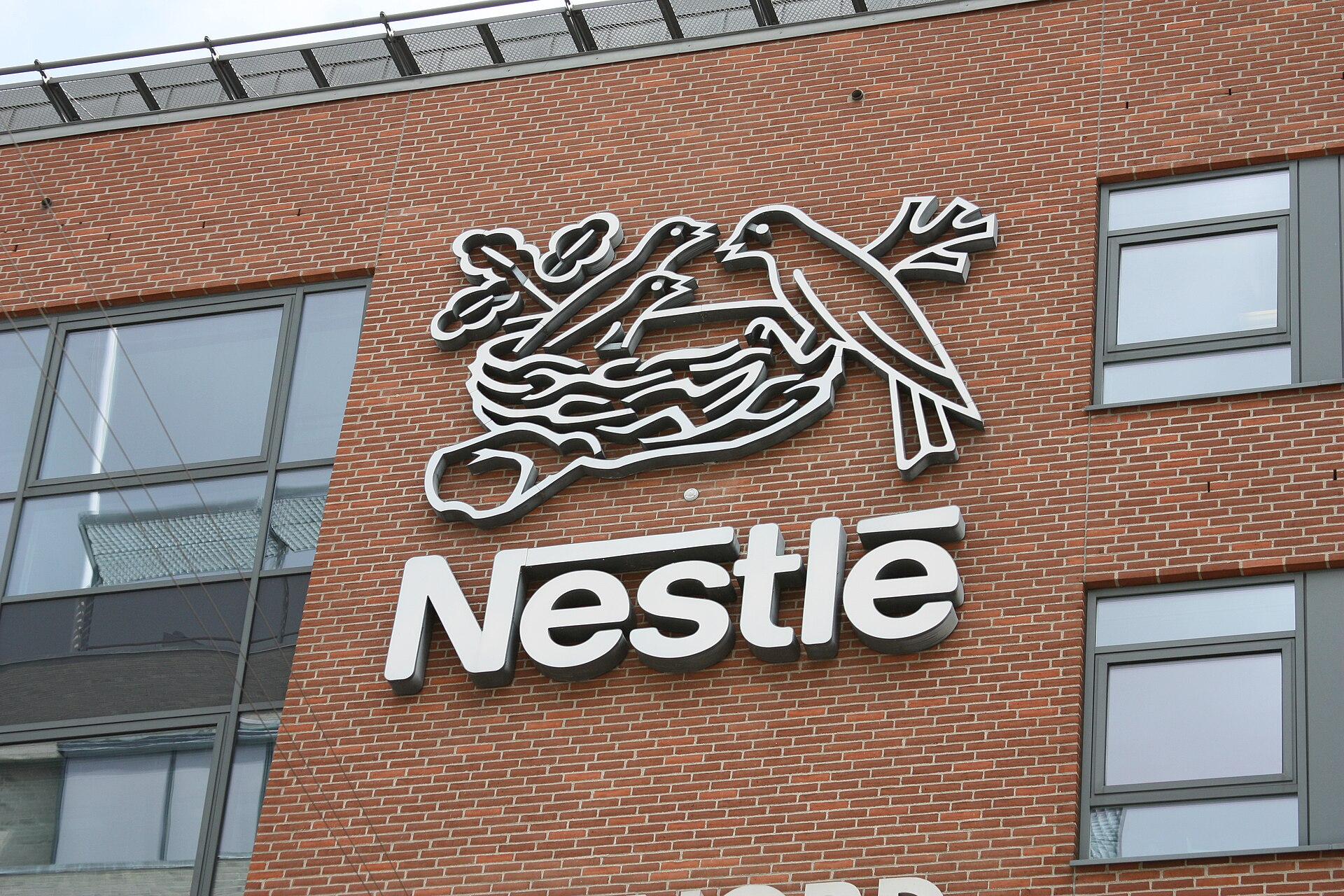
Nestlé plans to remove artificial food colours from products worldwide by the end of 2026, extending a reformulation programme that has already reached its US portfolio.
The commitment places one of the world’s largest food and beverage manufacturers on a compressed global timetable for natural colour conversion. It will affect a broad portfolio spanning confectionery, beverages, dairy, cereals, frozen foods, coffee products, snacks, and prepared foods, where colour contributes to product identity, consumer expectation, flavour signalling, and brand recognition.
Artificial colours have remained useful to large manufacturers because they deliver consistent shades, strong stability, predictable performance, and cost efficiency across high-volume production. Replacing them with natural alternatives requires a deeper technical assessment of colour intensity, process tolerance, pH stability, heat exposure, light sensitivity, storage behaviour, ingredient interactions, and shelf-life performance in each application.
A natural colour system that works in a benchtop sample still has to survive industrial processing. Thermal treatment, mixing, aeration, extrusion, retorting, freezing, drying, filling, and long-distance distribution can all change colour behaviour, while product category determines which stresses matter most. In confectionery, colours must remain stable in sugar systems, coatings, gels, and seasonal products; in dairy and beverages, the same shift can raise questions around sedimentation, opacity, acid systems, pasteurisation, and packaging light exposure.
Natural colour sourcing also changes the procurement risk profile. Colour systems derived from fruits, vegetables, spices, algae, minerals, or fermentation routes depend on agricultural inputs, extraction capacity, batch consistency, regulatory status, allergen considerations, and regional approval frameworks. Where a product is sold across several markets, the replacement ingredient has to work through both manufacturing and labelling systems, with no easy assumption that one regional approval or supplier specification will satisfy all launch requirements.
Additive scrutiny has intensified as public health, regulatory, and retailer debates have focused more closely on synthetic colours. Several major food groups have accelerated removal timelines in the United States, and multinational brands are now under pressure to decide whether separate regional reformulation strategies still make sense. Maintaining one recipe for one market and another for another can preserve short-term flexibility, but it also adds complexity to procurement, production, quality systems, packaging, and brand control.
The same technical tension sits behind Prosur’s natural reformulation toolbox, where natural ingredient systems are being developed to replace functional additives without weakening shelf life, texture, safety, or processing performance. Colour removal sits firmly in that category. A cleaner label has little value if the reformulated product loses appearance, stability, or consumer trust before it reaches the end of its shelf life.
Manufacturers will also need to manage consumer tolerance for visual change. Natural colours may deliver a slightly different shade, lower brightness, or greater variation across storage life. That creates a particular challenge in categories where colour is part of the product promise. Strawberry, banana, chocolate, citrus, cola, berry, mint, and caramel cues all carry strong visual expectations, and a recipe that meets technical requirements can still fail if the product looks weaker, duller, or inconsistent on shelf.
Packaging decisions may be pulled into the reformulation process as natural colour systems move through validation. Light-sensitive colours can require stronger barrier performance, modified pack materials, tighter headspace control, or changes to secondary packaging. A switch from synthetic to natural colour can therefore alter the total packaging brief, particularly for beverages, chilled products, and ambient products with long shelf lives.
The operational burden will be substantial. Each affected product requires specification changes, supplier qualification, pilot trials, sensory testing, stability work, artwork updates, regulatory checks, production validation, and retailer communication. In large portfolios, the greatest challenge is sequencing: plants must avoid unnecessary line disruption while moving hundreds or thousands of SKUs through change control.
Demand is likely to strengthen for natural colour suppliers with application laboratories, global regulatory teams, and secure raw material access. Food manufacturers will need partners that can provide more than colour concentrates, with processing guidance, stability data, alternative sourcing routes, and troubleshooting support when products behave differently on the line than they did in development trials.
Nestlé’s timetable will also increase competitive pressure. Once a manufacturer of this scale commits to a global artificial-colour exit, other brand owners will face questions over their own timelines. The cost, yield, sensory, and supply constraints that have slowed wider industry movement have not disappeared, but they are becoming harder to leave unresolved.