IN Brief:
- Nestlé expects production of its Professional Solutions foodservice pouches at Solon to end by the third quarter of 2027.
- Manufacturing will transfer gradually to the group's existing Gaffney facility in South Carolina, with the Solon factory closing by year-end.
- The wider Solon research and corporate campus will remain operational; Nestlé has not confirmed the number of affected jobs.
Nestlé plans to close its foodservice manufacturing factory in Solon, Ohio, by the end of 2027, transferring production of Nestlé Professional Solutions pouch products to its existing facility in Gaffney, South Carolina. Employees were informed of the decision on 19 October, with manufacturing in Solon expected to finish by the third quarter of next year before the factory closes during the final quarter.
The decision affects the manufacturing operation rather than Nestlé’s entire Solon campus. Research and development activities and corporate functions will remain in the area, while the group’s separate Streetsboro distribution centre and Cleveland manufacturing facility are outside the announced production transfer. Nestlé has not confirmed how many factory employees will lose their existing positions.
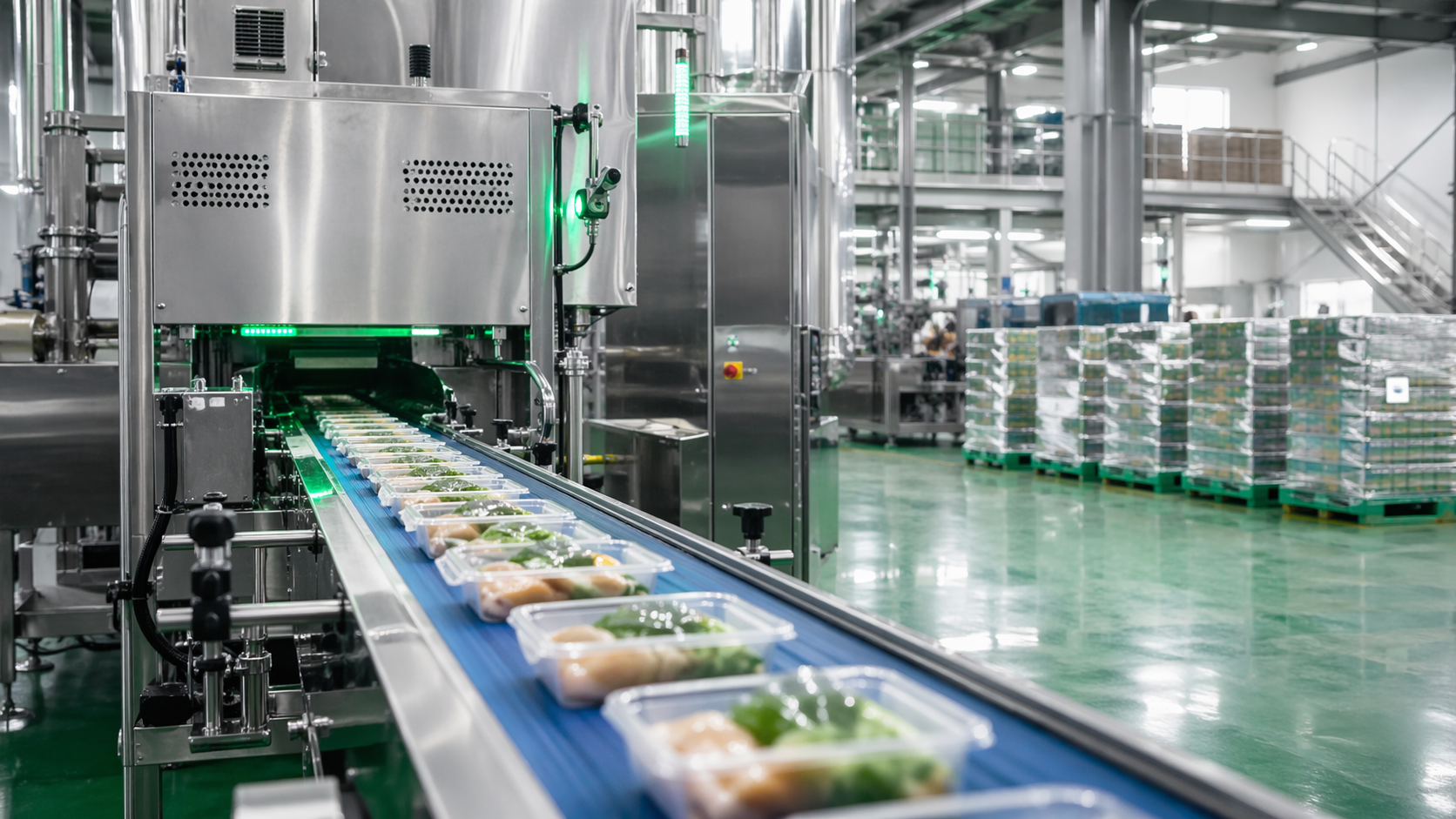
The Solon plant currently produces pouched foodservice products for Nestlé Professional Solutions, an operation distinct from much of the site’s earlier retail frozen-food manufacturing activity. The company intends to move this work gradually to Gaffney as part of an adjustment to its North American manufacturing network. Individual product volumes and the precise allocation of lines at the receiving plant have not been disclosed.
Nestlé has attributed the decision to changes in customer requirements and production volumes. The company says using capabilities already available elsewhere in its manufacturing network provides a more sustainable operating arrangement for the products involved. That assessment represents the company’s position; it has not published the comparative operating costs or capacity utilisation figures underlying the decision.
Transferring food manufacture between established facilities involves technical work beyond redirecting finished product orders. Formulations, raw-material specifications, processing conditions and packaging requirements must remain controlled during the change. Where the receiving factory uses different equipment, process parameters may need to be adjusted and qualified before products can be supplied at the required consistency.
Pouch manufacture involves several connected operations whose configuration depends on the food being packed. Equipment may be required for preparing and transferring ingredients, dosing product into the package and producing a reliable closure. Packaging materials and sealing conditions must be compatible with the formulation and any treatment or storage requirements associated with the finished product.
The specific processing methods used for Nestlé Professional Solutions pouches have not been detailed in the closure information. It would therefore be inaccurate to assume that every product uses the same thermal treatment, filling technology or type of pouch. Those distinctions will determine the qualification work required when production is transferred to equipment in South Carolina.
Food safety controls must continue throughout the transition. A move between plants can involve changes to ingredient suppliers, processing equipment, line layout and handling arrangements, each of which may influence the documented hazard assessment. The receiving facility must also maintain traceability between incoming materials, production batches and finished goods as additional products enter its operation.
Production capacity presents another consideration. The transfer may be accommodated through existing equipment, changes in operating hours or additional investment, depending on the available capability at Gaffney. Nestlé has not specified which measures it will use or announced new machinery expenditure directly attributable to the Solon closure.
The company’s South Carolina factory has received investment during previous development programmes. Publicly reported commitments included an expansion of approximately $100 million in 2021 and a further $150 million in 2024. Those investments preceded the October 2026 closure decision and must not be presented as new capital spending authorised for the latest production transfer.
The Solon manufacturing operation has already undergone restructuring. The location historically produced Stouffer’s branded frozen foods and other products, but its manufacturing responsibilities were reduced over time. Previous job cuts included more than 200 positions affected by a 2024 change, leaving a smaller remaining manufacturing role centred on the foodservice business.
The present closure will end that remaining factory operation. Nestlé has said it will provide separation benefits and transition support, including assistance involving local and state partners. Employees will also be able to apply for available roles at other company locations, although those opportunities do not establish that everyone affected can be accommodated within the wider organisation.
Reports have referred to potentially substantial employment effects, but the company has not provided a final number of affected positions. A formal Worker Adjustment and Retraining Notification is expected closer to the closure, with local reporting indicating March 2027 as a possible filing period. Until an official figure is available, the workforce consequences should not be represented as a confirmed count.
Maintaining the wider Solon campus allows the company to preserve research, technical and corporate activities while changing the location of foodservice manufacture. These functions perform different roles within its operations. Research facilities can continue product and process development without operating the same commercial production lines that are scheduled to close.
Nestlé reports nearly 3,000 employees across seven Ohio facilities, including its manufacturing, research and corporate activities. This is a statewide figure and does not represent staffing at the Solon factory alone. The company’s continuing presence in Ohio also includes facilities that are not affected by the production transfer.
The receiving plant must absorb the relevant products without disrupting its existing commitments. Depending on the production plan, this may require phased qualification and coordination of raw materials, finished packaging and distribution arrangements. The gradual timetable provides an opportunity to sequence the transfer, although Nestlé has not released intermediate milestones or a public equipment commissioning programme.
Manufacturing at Solon is expected to finish by the third quarter of 2027, with the factory closing before the end of the year. The detailed effects on employment and Gaffney’s production arrangements remain to be confirmed. The announced change concerns the consolidation of Nestlé Professional Solutions pouch manufacture, while research and corporate activities at Solon will continue.