IN Brief:
- Nestlé UK is trialling Wildfarmed wheat in KitKat wafers produced at its York factory.
- The York site produces around 1.5bn KitKat bars annually, giving the trial industrial relevance beyond a small-batch launch.
- The project reflects growing pressure to connect regenerative agriculture with manufacturing-scale ingredient supply.
Nestlé UK is trialling Wildfarmed regeneratively grown British wheat in KitKat wafers produced at its York factory, bringing a farm-level sourcing programme into one of the country’s highest-volume confectionery lines.
The wheat is being used in wafers made at the York site, where around 1.5bn KitKat bars are produced each year. That scale gives the project more weight than a limited-edition sustainability exercise. If the sourcing model proves workable, it could show how regenerative agriculture can be connected to established, high-throughput food manufacturing.
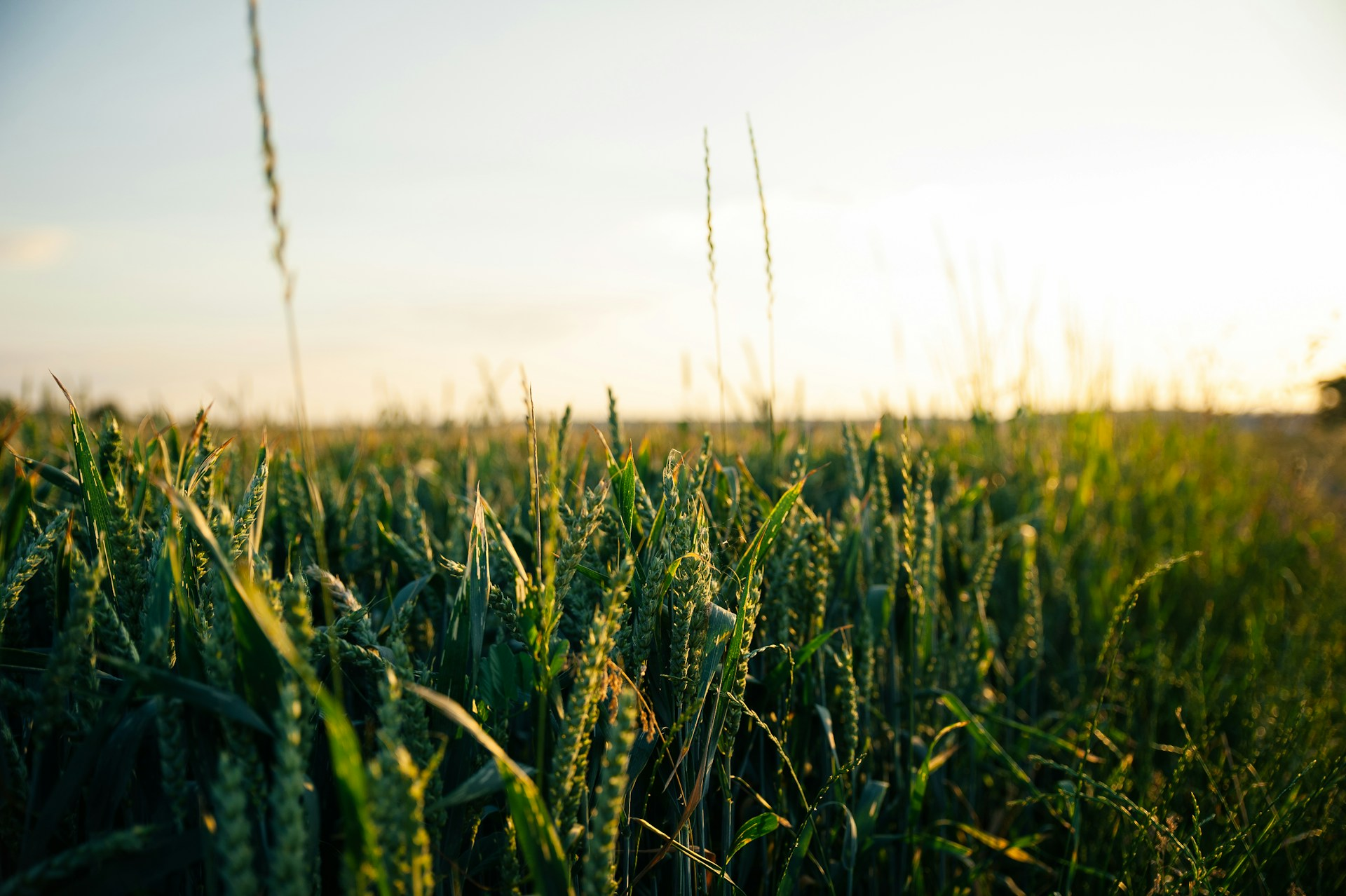
Wildfarmed works with farmers using practices intended to improve soil health, reduce chemical dependence, support biodiversity, and build more resilient crop systems. The technical test is whether those agricultural claims translate into consistent flour quality, reliable supply, cost control, and manufacturing performance.
Wafers are unforgiving products. Flour specification affects mixing behaviour, batter consistency, baking performance, texture, moisture, break strength, and finished product quality. A large confectionery plant cannot absorb major variation without affecting line efficiency and product consistency, making ingredient validation central to any shift in crop sourcing.
Nestlé’s trial sits within a wider industry movement toward closer links between farm practice and finished product claims. Food companies are under pressure to reduce Scope 3 emissions, improve biodiversity performance, and support domestic supply resilience. Agriculture is a major part of that work, but ingredients still need to behave consistently in industrial processes.
The trial also illustrates how sustainability work is moving from broad commitments to specific raw material programmes. Wheat is a major input across bakery, cereal, snacks, confectionery, and prepared foods. If regenerative wheat systems can meet quality, volume, and cost requirements, the approach could extend beyond one brand or category.
British growers need confidence to participate in such schemes. Regenerative transition involves changes to rotations, soil management, fertiliser use, cover crops, and agronomy. Clear demand signals and pricing structures are needed if farms are expected to carry the risk of changing production systems.
The project arrives as producer confidence remains under pressure despite stronger headline farm income. Fertiliser, fuel, and energy volatility continue to shape farm economics, and those costs ultimately influence domestic ingredient supply. A regenerative sourcing model cannot succeed on agronomic principles alone; it needs stable commercial terms and predictable processing demand.
Confectionery manufacturing is already carrying other raw material challenges, particularly cocoa volatility. Chocolate products are exposed to cocoa cost, origin risk, and traceability pressure, while wheat-based wafers bring another sourcing stream into the same resilience debate. Stronger procurement and quality management across multiple ingredients will become more important as manufacturers link product claims to farming practice.
Repeatability will decide whether the trial can scale. Regenerative wheat has to perform over more than one harvest, region, and weather pattern. Flour quality can vary by season, while industrial wafer production needs stability. A resilient supply base would make the model more applicable to wafer, biscuit, cereal, and bakery platforms.
The KitKat trial gives regenerative wheat a demanding test environment. The result will depend less on branding and more on flour specification, supplier relationships, crop planning, and line performance. If those pieces align, the project could mark a practical step toward making regenerative agriculture part of mainstream food manufacturing rather than a peripheral sourcing claim.