IN Brief:
- NORD DRIVESYSTEMS has developed NXD tupH surface protection for aluminium drive housings in food, beverage, and primary packaging applications.
- The treatment combines a special surface process with a high-performance sealer to create a non-porous, hygienically cleanable surface.
- The system offers a lighter, compact alternative to stainless steel drives in wash-down areas exposed to cleaning chemicals.
NORD DRIVESYSTEMS has developed NXD tupH surface protection for aluminium drive systems used in hygiene-sensitive food, beverage, and primary packaging applications, targeting wash-down environments where cleaning chemicals, moisture, and corrosion risk can shorten equipment life.
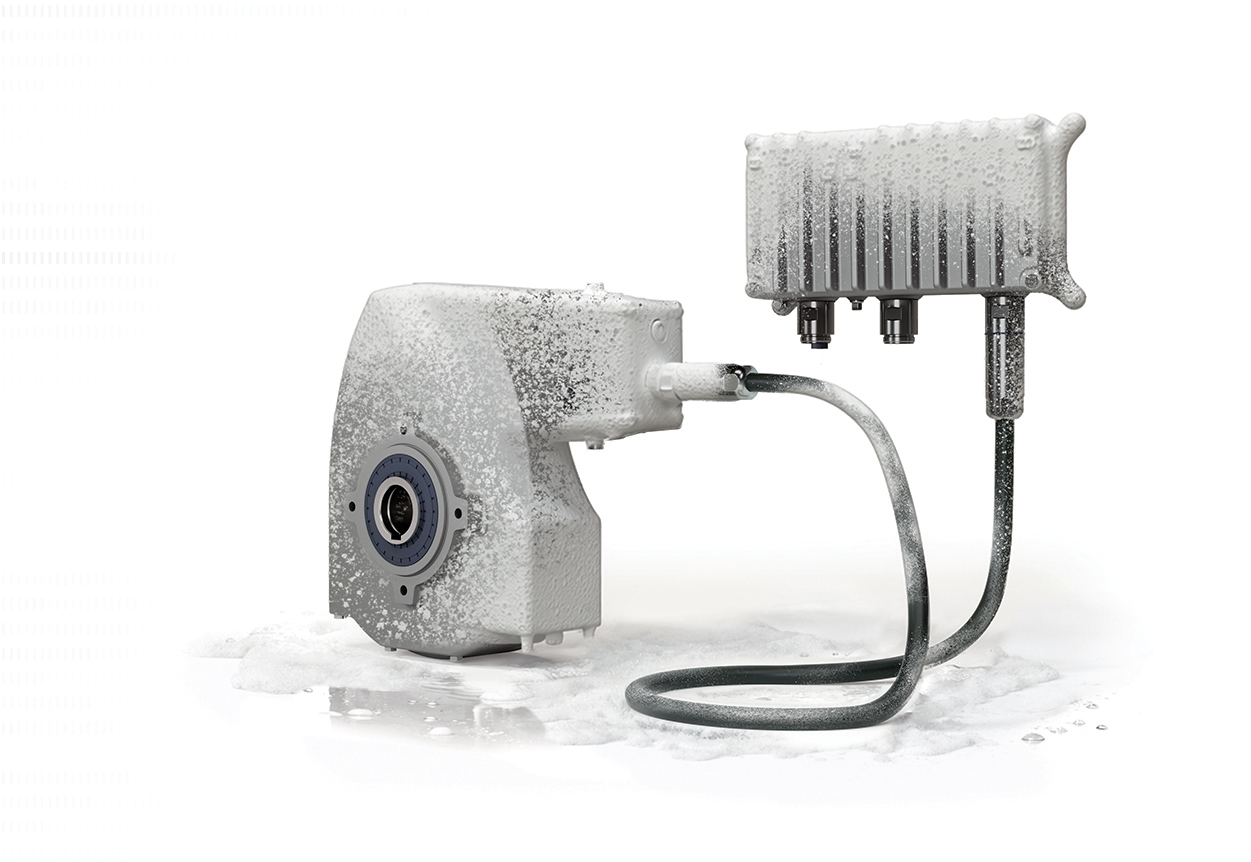
The treatment is designed for aluminium housings used on gear units, smooth motors, and decentralised frequency inverters. NORD says the surface protection gives aluminium properties comparable to stainless steel in hygiene and corrosion resistance, while retaining the weight, thermal, and design advantages of aluminium.
NXD stands for NORD eXtreme Duty, while tupH combines “tough” with pH value. The system combines a special surface treatment with a high-performance sealer to create a non-porous surface that can be cleaned hygienically and does not flake or corrode after repeated cleaning cycles. The treatment has been tested for chemical resistance using Ecolab cleaning agents.
NORD drive components with NXD tupH surfaces are food-safe in line with requirements in the FDA, EU, Switzerland, and MERCOSUR states. The treated systems are suitable for food-contact applications across food and beverage production and primary packaging environments.
The commercial case is based on replacing stainless steel in applications where aluminium would otherwise be ruled out by corrosion or cleaning exposure. Stainless steel remains a standard material for demanding hygiene zones, but it carries cost, weight, and design considerations. Aluminium housings can reduce weight, support compact design, dissipate heat effectively, and allow higher power density with lower surface temperatures.
Wash-down resilience has become a sharper engineering issue as food factories tighten sanitation regimes, allergen controls, and foreign-body risk management. Equipment in open product areas has to withstand repeated cleaning without creating cracks, flakes, corrosion points, or harbourage areas. A drive system that degrades under chemical exposure can create both reliability and hygiene risks.
Motors, gear units, and inverters are not always the most visible parts of a food line, but they are central to availability. Conveyors, filling systems, packaging lines, cutters, mixers, inspection systems, and handling equipment rely on drive components that must keep running through cleaning cycles, temperature changes, moisture, and product residues. A drive failure can stop production as effectively as a fault in a larger machine.
NORD applies the treatment to existing aluminium components, allowing customers to use modular drive-system options without creating separate design, warehousing, and installation requirements. NXD tupH is available for aluminium products with smooth surfaces, including the DuoDrive integrated gear unit and motor system, IE5+ smooth motors, NORDBLOC.1 helical in-line gear units, and NORDBLOC.1 helical bevel gear units. A decentralised NORDAC ON PURE frequency inverter with the surface treatment is also due to become available.
The launch sits within a broader machinery shift in food manufacturing. Plants are seeking equipment that combines hygiene, automation, energy efficiency, compact design, and maintainability. GEA’s PowerPak 5000 packaging platform and Somic’s flexible case-packing platform both reflect demand for equipment that can handle varied product formats without adding operational complexity.
Cleaning resilience belongs in that same investment category. As product portfolios become more varied, factories run more changeovers, allergen transitions, and cleaning interventions. Line equipment is exposed more frequently to chemicals, water, abrasion, and handling. Drives that survive those routines with lower maintenance requirements can support stronger uptime, especially in wet or high-care environments.
Food safety and engineering specification are now more closely linked. Hygienic design extends beyond open surfaces and product-contact parts to motors, gearboxes, cabling, controls, and decentralised electronics. A corrosion-resistant drive system can reduce inspection burden and support availability where cleaning intensity would otherwise push users towards heavier stainless steel equipment.
NXD tupH gives food and beverage plants a practical middle ground: aluminium drive systems with stronger chemical resistance and food-safe surface treatment, designed for applications where hygiene, compactness, and lifecycle cost have to be balanced together.