IN Brief:
- One Living has recalled 330ml Organic Raspberry & Pomegranate Kombucha bottles.
- The affected product carries a best-before date of 14 December 2026.
- Over-fermentation may cause bottle caps to pop off unexpectedly and create injury risk.
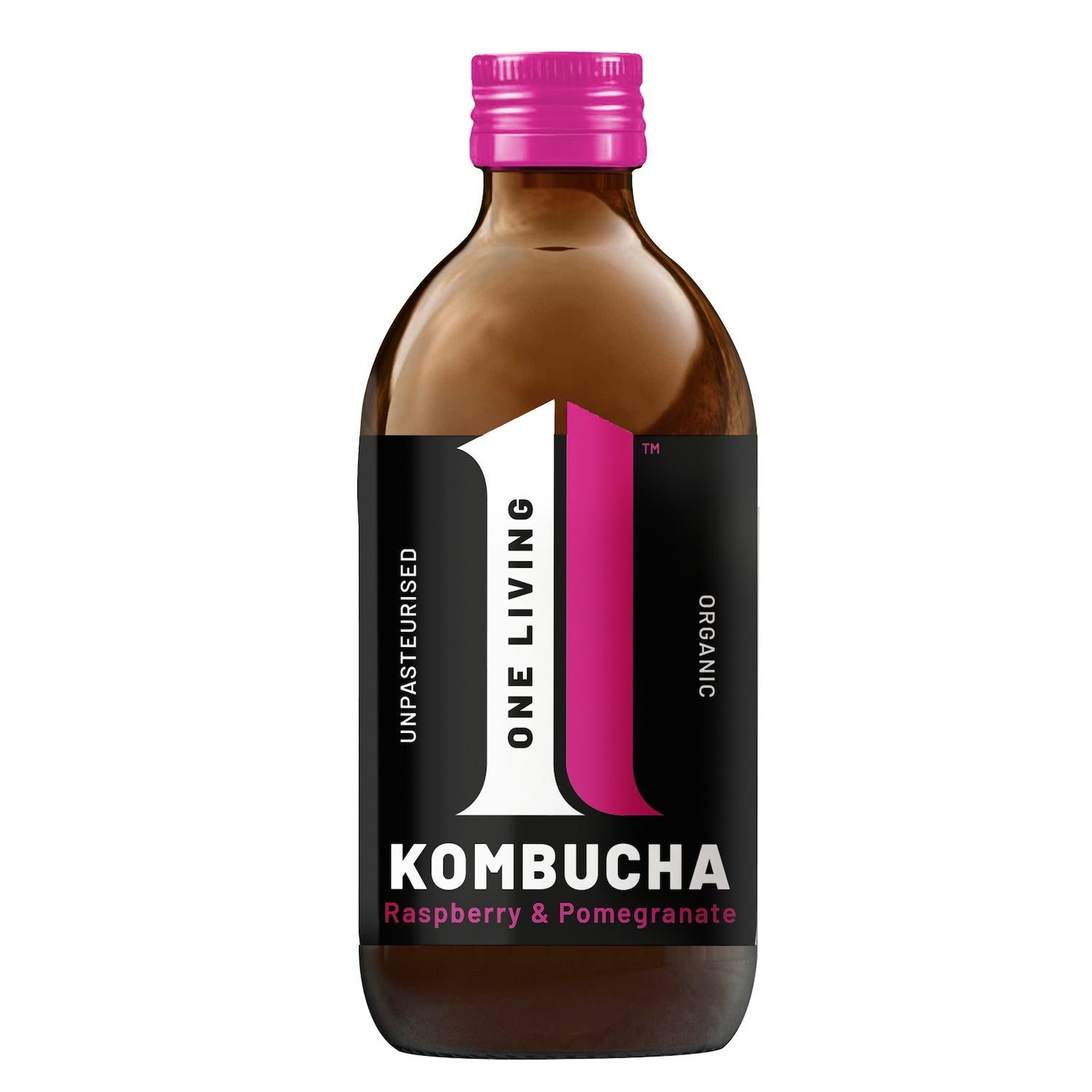
One Living has recalled 330ml bottles of Organic Raspberry & Pomegranate Kombucha after over-fermentation created a risk that bottle caps may pop off unexpectedly.
The recall covers bottles with a best-before date of 14 December 2026. The Food Standards Agency has warned that the caps may release suddenly and cause injury. Customers have been advised not to open affected bottles, not to return them to store, to avoid unnecessary handling, and to dispose of them safely in an external waste bin before contacting One Living with proof of purchase for a refund.
Live fermented beverages carry a different risk profile from conventional soft drinks. Fermentation can continue if organisms, residual sugars, temperature, and time are not controlled tightly enough. Where pressure builds inside sealed packaging, the hazard moves from quality deterioration to physical safety.
Beverage producers managing kombucha need to control fermentation endpoint, residual sugar, carbonation, dissolved CO₂, chill-chain exposure, cap torque, bottle specification, fill temperature, stabilisation decisions, and shelf-life modelling. A live, unpasteurised drink can retain category appeal because of active cultures and a less processed positioning, but the same biology has to remain predictable through production, storage, distribution, and retail.
The affected product is packaged in glass. Glass offers strong premium and sustainability credentials, and it remains attractive for fermented drinks because it provides good barrier performance and avoids some of the material concerns attached to plastics. The format is less forgiving when internal pressure is poorly controlled. Closure performance, bottle strength, headspace, secondary packaging, and handling instructions become part of the product safety system.
Over-fermentation also sits between processing and packaging rather than within one discipline. Fermentation control begins with product formulation and microbial management, while the consumer-facing hazard emerges through the closure and container. Root-cause work therefore needs to bring together production data, batch records, temperature logs, microbiological controls, cap application settings, bottle performance, transport conditions, and retail storage.
Packaging stability has already been under pressure in chilled and shelf-stable drinks, including Horizon Organic’s chocolate milk recall over bloating, leakage, and premature spoilage risk. The One Living case is a different product and process, but both incidents show how packaging integrity and product stability have to be validated as one system.
Fermented beverages have moved from niche health-store products into mainstream chilled and ambient retail. Larger production runs, broader distribution, longer retail exposure, and more varied handling conditions all increase the consequences of small process inconsistencies. Controls that may appear manageable at limited scale can become fragile once product moves through national retail systems.
Live beverage producers face a difficult balance. Consumers value products that retain fermentation character, while retailers and regulators require predictable safety and shelf-life behaviour. Options include tighter cold-chain controls, more conservative fermentation endpoints, pressure testing, formulation changes, microbial stabilisation, or thermal treatment. Each route brings trade-offs for flavour, positioning, cost, and process complexity.
The recall is limited to a specific product and date code, but pressure management will remain a core manufacturing control as kombucha, water kefir, and other fermented drinks continue to grow. The category’s appeal comes from controlled fermentation. Once that control continues unpredictably inside a sealed bottle, the product has moved from living beverage to packaging hazard.