IN Brief:
- PPM Technologies and Key Technology have introduced an integrated potato chip processing line.
- The system combines frying, optical sorting, seasoning, conveying, sanitation, and production data tools.
- Snack processors are seeking tighter line integration to manage labour, raw-material variability, waste, and uptime.
PPM Technologies and Key Technology have introduced a fully integrated potato chip processing line that brings frying, seasoning, product handling, optical sorting, conveying, and production data into one coordinated system.
Both companies are Duravant operating businesses, and the line combines PPM’s frying, seasoning, and product-handling systems with Key’s optical sorting technology. It has been developed for processors managing raw-material variability, labour shortages, high-volume output, and the coordination demands of chip production from slicing through to packaging.
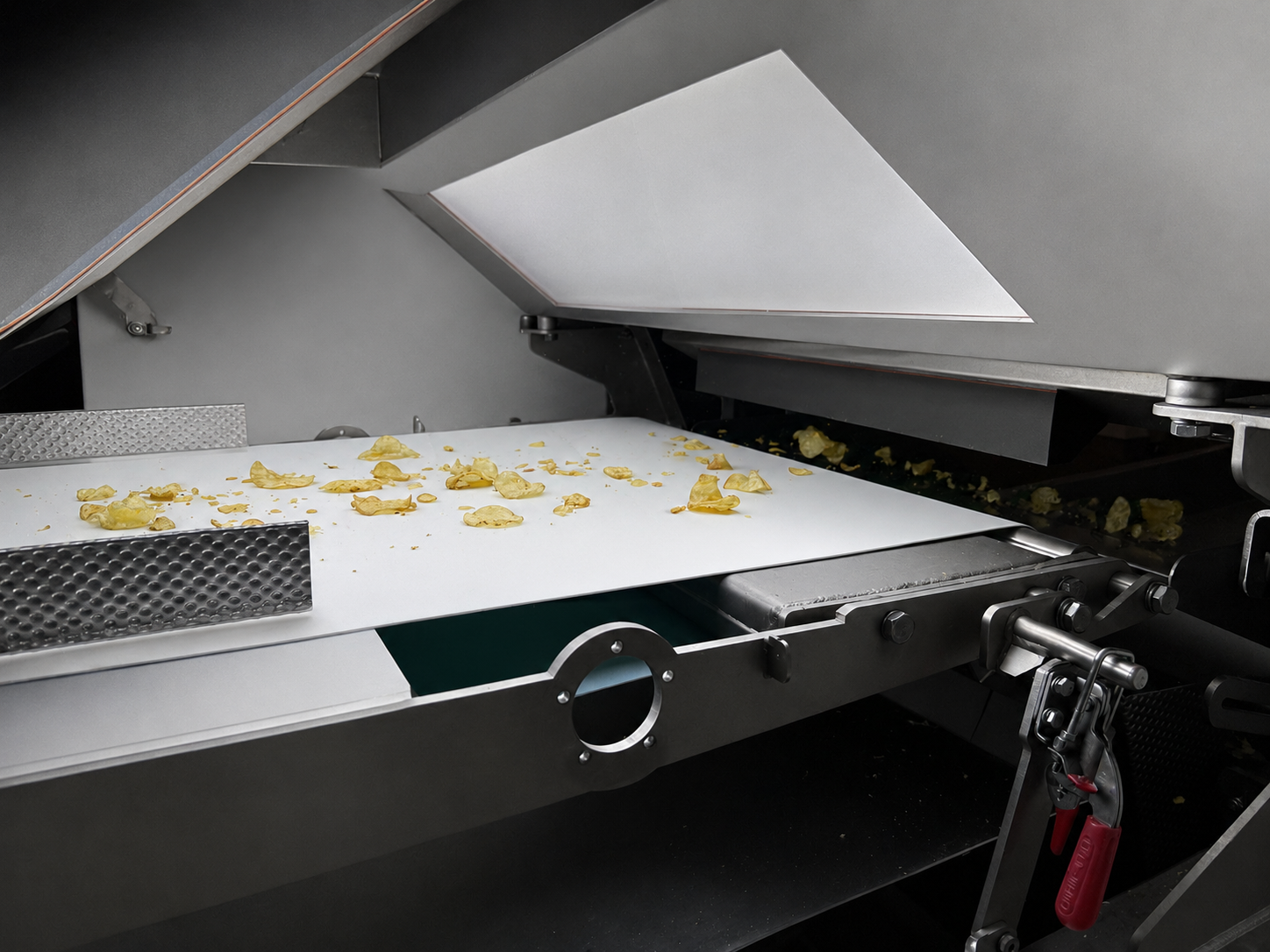
The line begins with PPM’s slice feeder, which uses a dual-auger feed conveyor to meter whole potatoes into the slicer at a controlled rate. A network of horizontal-motion and vibratory conveyors then moves product between stages, reducing breakage and seasoning loss while metering chips accurately into multi-head weighers.
PPM’s frying technology anchors the system. Kettle-style chip producers can use the BatchWright batch fryer, which provides control over the frying curve to target specific texture, colour, and flavour characteristics. Conventional chip processors can use the CookWright continuous fryer, with configurable heating, belt, and filtration systems.
Both fryers include oil filtration technology designed to extend oil life and reduce operating costs. Clean-in-place capability supports sanitation while reducing downtime, a useful feature for snack plants managing frequent production runs, flavour changes, and hygiene requirements.
After frying, chips pass through Key Technology’s COMPASS optical sorter. The system uses multi-channel sensor data and multi-wavelength strobing to identify defects including dark spots, green discoloration, white knots, and fryer debris. The companies position the sorter as a lower-complexity alternative to laser-based systems where maintenance requirements can be higher.
From inspection, product moves into PPM’s FlavorWright All-in-One seasoning system, which applies liquid and dry seasonings before weighing and packaging. The system can handle applications from simple salt to multi-stage seasoning using oils, slurries, and powders. Quick-release components support changeovers in as little as five minutes, while IP65-rated washdown capability supports cleaning across frequent flavour runs.
The line can also include recirculation conveyors that keep product moving if a scale or packaging machine goes offline. In live production, downstream pauses are unavoidable. Keeping upstream product protected and moving can reduce waste, avoid excessive handling, and support higher overall uptime.
Centralised and local controls provide real-time visibility across the line. Key’s Discovery software collects and analyses data from the COMPASS sorter, allowing processors to monitor yield, reject rates, raw-material variability, and upstream equipment performance.
Line flexibility, sanitation, and changeover speed are becoming stronger purchasing factors across food production. GEA’s PowerPak 5000 packaging platform showed the same pressure downstream, where equipment suppliers are being asked to balance flexibility, efficiency, and lower operating complexity.
Potato chip production is highly sensitive to raw material variation. Potato solids, sugar levels, size, storage condition, defects, and seasonality all affect frying colour, texture, yield, and reject rates. Integrated control becomes more valuable when those variables meet labour constraints and tighter finished-product specifications.
The new line reflects a wider movement toward single-source accountability and connected production data in snack manufacturing. Processors want fewer handoff problems between machines, faster sanitation, simpler operator training, and better visibility when product quality changes. An integrated system cannot remove agricultural variability, but it can give plants stronger tools to detect, manage, and respond to it before defects reach the finished pack.