IN Brief:
- Princes has committed to a proposed €80m acquisition of four French food brands and three manufacturing sites.
- The businesses reported €119.2m of 2025 sales and manufacture bread substitutes, toasted products and cereal bars.
- French employee consultation must precede the definitive purchase agreement, with completion subject to regulatory approvals.
Princes Group has entered into a binding undertaking connected with the proposed €80m purchase of Mondelēz International’s French bread substitutes and cereal bars businesses, covering three factories and four established brands. Its French subsidiary, Princes France SAS, would acquire Heudebert, Pelletier, Cracotte and Grany if the transaction completes. The announcement on 17 November begins a consultation and approval process rather than marking a transfer of ownership.
The proposed purchase covers manufacturing facilities in Granville, Vervins and Toulouse, together with a warehouse at Vervins. The operations produce a range of rusks, toasted bread products, crispbreads and cereal bars, giving Princes exposure to both established ambient bakery products and packaged snacks. In addition to the brands, the buyer would take on the industrial assets required to manufacture and distribute them, rather than simply acquiring trademarks for use elsewhere.
The proposed enterprise value is €80m on a cash-free, debt-free basis, inclusive of lease liabilities under IFRS 16 and subject to customary adjustments. The businesses recorded €119.2m in net sales and €17.7m in adjusted earnings before interest, tax, depreciation and amortisation in 2025, giving an adjusted margin of 14.9%. Final cash consideration would be determined at completion and funded from Princes’ existing resources. Neither the reported profitability nor the stated purchase price establishes the contribution the plants would make after integration.
The workforce figures in the two accounts of the transaction use different measures. The stock exchange filing lists approximately 270 full-time equivalent employees, while Princes’ public account refers to around 350 full-time equivalent employees including temporary workers. Both relate to the existing manufacturing operations, and the company has not announced a final post-acquisition workforce or changes to individual factory staffing. Employee representatives in France must be informed and consulted before the parties enter into a definitive master sale and purchase agreement.
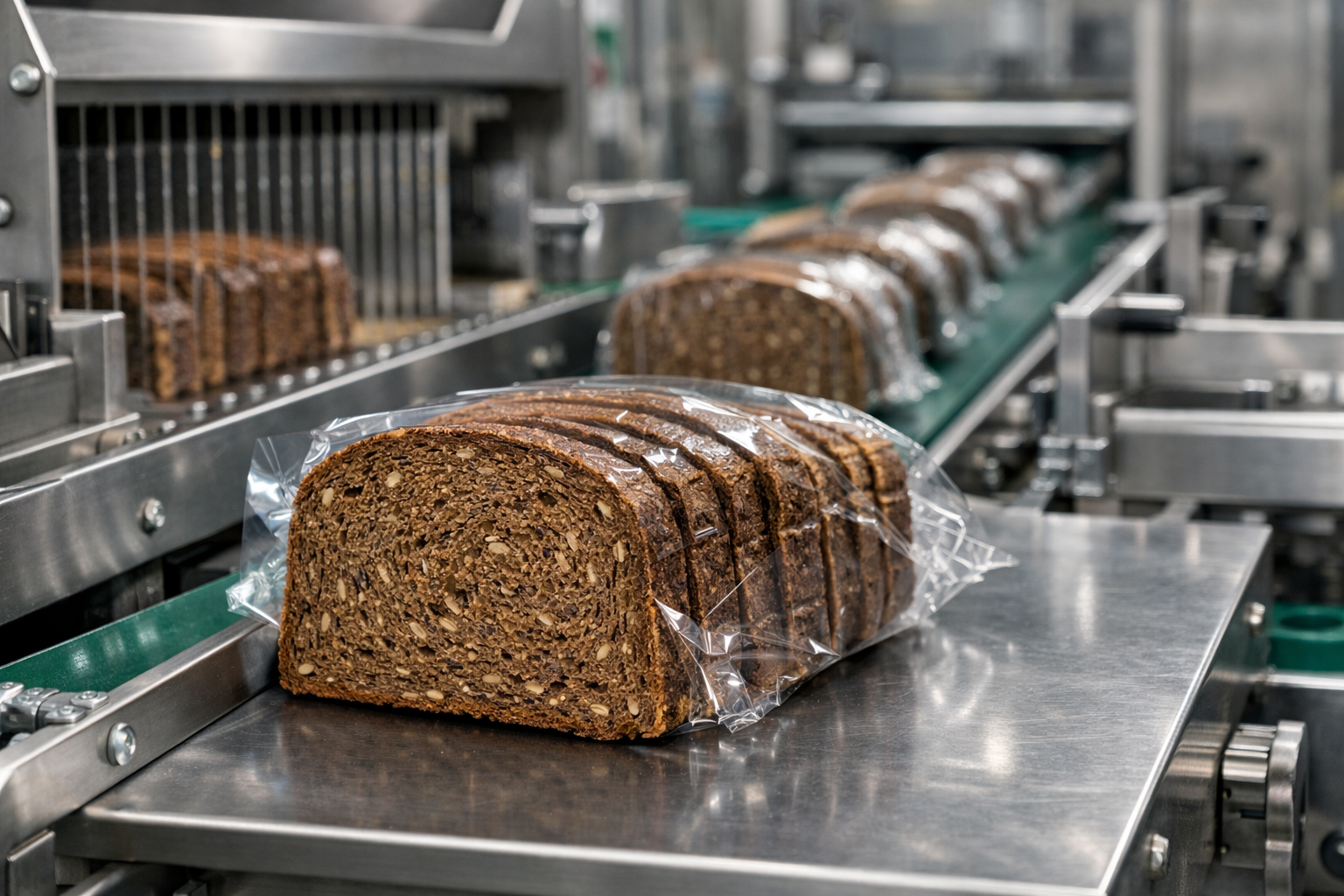
Heudebert, Pelletier and Cracotte add rusks, crispbreads and other toasted bread products, while Grany adds cereal bars. These are related ambient categories, but they use different production configurations. Baked and toasted products require control of dough preparation, heating and final moisture to achieve shelf stability and texture; cereal bars depend on ingredient handling, binding or forming operations, portion control and packaging suited to their composition. Process parameters and allergen controls would therefore have to be assessed separately rather than assuming the same equipment could make every product.
Princes expects procurement, logistics and commercial opportunities from combining the businesses with its existing bakery portfolio. Any manufacturing savings would depend on actual line capacity, supply contracts, raw material specifications, maintenance requirements and customer service levels. NewPrinces already makes bakery preparations and cake bases in France, which could complement the finished-product plants under consideration, although no site-specific investment programme, capacity transfer or quantified cost reduction has been disclosed.
The group has bakery operations in the UK and Italy, including the Granfetta and Crostino Dorato brands within its wider portfolio. The French products could be distributed more widely through existing retail relationships in those markets, while the acquired business’s French and Benelux networks could also carry other Princes products. These possibilities remain commercial plans: no new distribution agreement, production contract or manufacturing expansion timetable accompanies the proposed transaction.
Princes operates 24 production facilities across its wider network, according to its stock exchange company description. Adding the three French sites would increase its exposure to bakery and snack manufacturing, and bring more production assets within shared procurement, quality and reporting systems. The transaction would also increase the number of product formulations and packaging specifications to manage. Food safety and supplier approval records could only be aligned after due diligence, consultation and the relevant legal transfers are completed.
The parties have not yet signed the definitive master sale and purchase agreement. Princes’ binding and irrevocable undertaking is subject to the employee consultation process, after which that definitive agreement would be entered into; completion would also require applicable regulatory approvals and other customary conditions. Mondelēz has described the process as exclusive negotiations concerning relevant French and Benelux activities. No closing date has been confirmed, and the three factories remain under existing arrangements pending completion.
The proposed acquisition would add €119.2m of historic annual sales and an established three-site manufacturing base to Princes’ European operations. The next measurable milestones are the outcome of French consultation, signing of the definitive agreement and regulatory clearance. Specific decisions on investment, product allocation and distribution would follow only if the transaction is completed.