IN Brief:
- Cottage Protein+ contains 17.2g of protein in a 150g refrigerated cup.
- Apricot kernels make up 40% of the formulation and are fermented with vegan cultures.
- Revo is using a fruit-processing side stream as a controlled raw material for chilled food production.
Revo Foods has launched Cottage Protein+, a refrigerated high-protein food produced from fermented apricot kernels, creating a commercial use for a side stream generated by fruit and juice processing.
The Austrian-made product is sold in 150g cups containing 17.2g of protein. Apricot kernels account for 40% of the formulation, alongside water, salt, vegan cultures, and chives, with fermentation used to develop acidity, flavour, and the product’s lightly granular, cottage-style texture.
Revo has avoided added coconut fat, relying instead on oil naturally present in the kernels. The company describes the resulting fat profile as rich in oleic acid, while the product is lactose-free and contains no dairy ingredients.
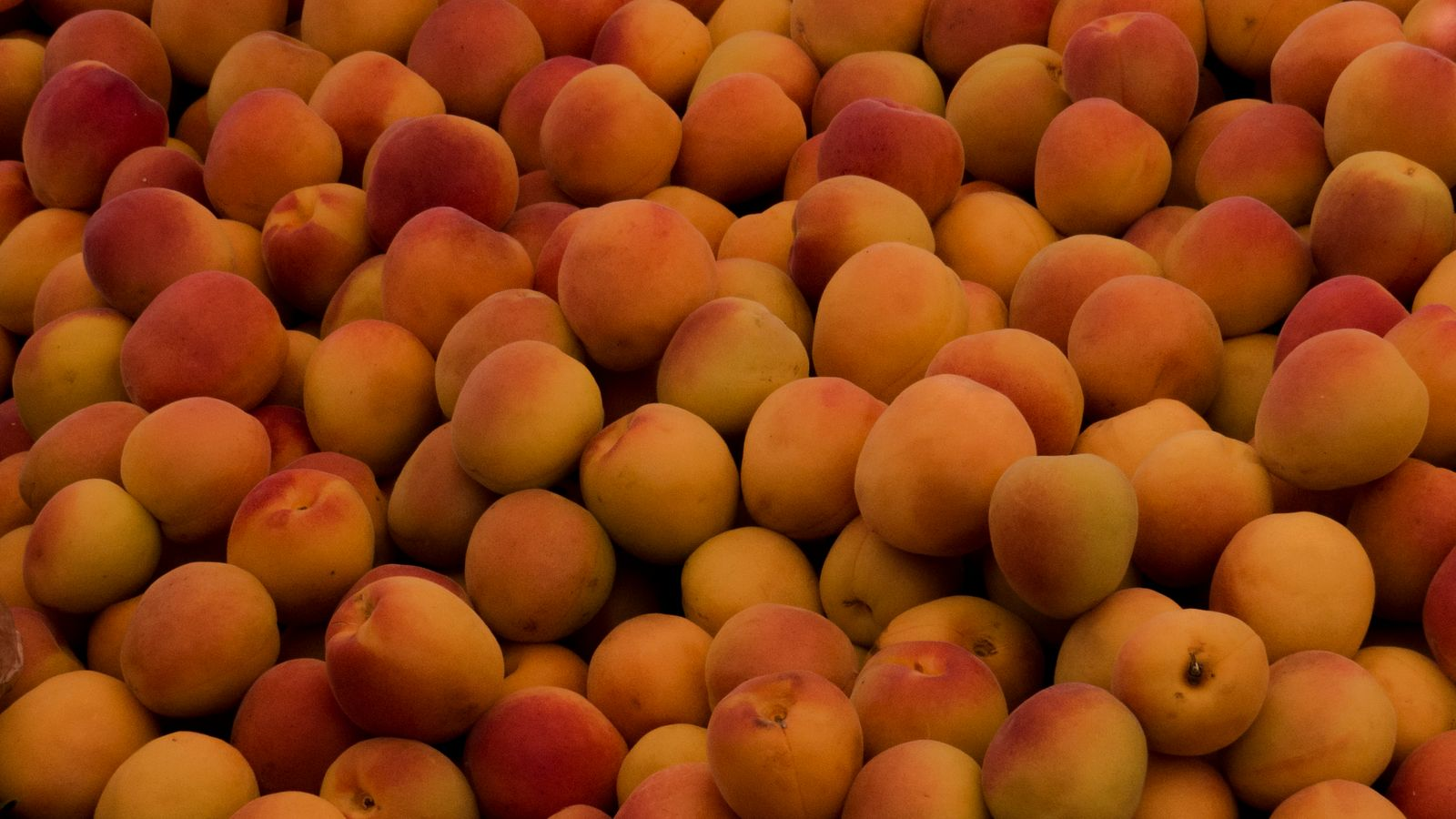
The more unusual part of the formulation is the choice of raw material. Apricot kernels are generated during fruit processing, including juice production, and Revo identifies them as a side stream rather than a crop grown specifically for its finished product.
Turning that material into a repeatable chilled food requires rather more control than simply diverting waste into a new recipe. Kernels entering production have to meet specifications for composition, quality, storage, and food safety before fermentation begins, while variations in moisture, oil, and protein content could influence how the finished product behaves.
The use of cultures then introduces another controlled production stage. Fermentation has to generate the required acidity, flavour, and structure within a defined process window, after which the product must be filled, chilled, stored, and distributed while maintaining microbiological stability and texture.
That approach distinguishes Cottage Protein+ from plant-based chilled products built primarily through blending oils, proteins, starches, and hydrocolloids into a dairy-style structure. Revo is using fermentation to modify the properties of the main raw material itself, reducing the need for some of the formulation tools commonly used to create texture.
The commercial formulation remains notably short. Revo’s online product information lists sweet apricot kernels, water, salt, vegan cultures, and chives, with the kernels forming 40% of the product. Protein content is 11.5g per 100g, equating to 17.2g in the 150g retail cup.
The product was developed in Vienna and is manufactured in Austria. Revo is selling it directly through its online shop, while current German market coverage places the launch into EDEKA and REWE stores during September.
Chilled distribution raises a different set of manufacturing requirements from Revo’s better-known structured mycoprotein products. Cottage Protein+ is stored refrigerated, so production planning has to account for shorter shelf-life constraints, cold-chain capacity, retail forecasting, and the faster consequences of any batch-quality issue.
Raw-material availability will also determine how far the concept can scale. Side streams can offer a strong resource-efficiency case because they derive from an existing processing chain, but they are useful to manufacturers only when sufficient volumes can be collected with consistent specifications and at a cost that survives cleaning, preparation, and transport.
Apricot kernels also have to be regarded as an industrial ingredient rather than an automatic sustainability benefit. The supply base must be documented, batches have to be tested, and the processing route must reliably control any undesirable natural compounds before material reaches the finished product.
Revo’s manufacturing history gives the launch additional context. The Vienna company has previously concentrated on mycoprotein products and additive manufacturing, using controlled deposition to create structured food products at its Taste Factory. Cottage Protein+ uses a much simpler physical format, but fermentation remains central to the company’s approach to alternative proteins.
The two technologies solve different problems. Additive manufacturing is intended to control physical structure in products such as fillets, while fermentation of apricot kernels changes flavour, acidity, and texture throughout a chilled base. Both depend on process parameters carrying more of the product-design burden than a long list of functional ingredients.
That can create advantages during formulation, although industrial consistency remains the deciding factor. A clean ingredient declaration has limited value if fermentation time varies excessively, raw-material behaviour changes between deliveries, or final texture shifts during refrigerated storage.
The launch therefore gives Revo a useful test of whether a food-processing by-product can become a dependable mainstream production input. Scaling side-stream ingredients usually fails not because the material is unavailable in principle, but because manufacturers need it in known quantities, at known specifications, every week.
Cottage Protein+ has already crossed the first threshold by becoming a commercial chilled product rather than a laboratory demonstration. The next questions concern volume, distribution, and repeatability — the less fashionable parts of upcycling that determine whether a clever raw-material story survives contact with a factory schedule.