IN Brief:
- Ringmetall has acquired 75.1% of Tesseraux SA, with a call option over the remaining 24.9%.
- Tesseraux produces 1.5 to 25-litre bag-in-box systems for wine, juice, catering, liquid egg, and edible oils.
- The Cape Town business will also provide a route for Ringmetall to introduce larger liner products into South Africa.
Ringmetall has acquired a 75.1% majority stake in Tesseraux SA, establishing its first operation in South Africa and adding bag-in-box manufacturing capability for wine, juice, catering products, liquid egg, and edible oils.
Vinbag will contribute its existing operating business to the newly formed Cape Town company, while Ringmetall is taking its holding through a capital increase. The agreement includes a call option over the remaining 24.9% of Tesseraux, although the parties have not disclosed the purchase price.
The company produces bag-in-box systems ranging from 1.5 litres to 25 litres and employs 30 people, all of whom are expected to transfer with the business. Annual revenue is in the low single-digit millions of euros, making the deal modest in financial scale but strategically useful as a new regional manufacturing base.
Bag-in-box occupies a particular position in liquid-food packaging because the flexible liner and rigid outer pack divide the mechanical and barrier functions between two components. The format can reduce rigid-pack weight and storage volume while allowing processors to supply anything from relatively small retail packs to larger foodservice quantities.
Those benefits depend on the liner, closure, and filling system operating as a single package. Wine and juice require effective oxygen management, edible oils bring oxidation and dispensing concerns, and liquid egg adds tighter hygiene, temperature, and traceability demands.
The liner has to survive filling, packing, palletisation, transport, storage, and dispensing without losing seal integrity. Material structure, oxygen transmission, flex-crack resistance, valve design, neck positioning, and product compatibility all influence whether the pack performs through its intended shelf life.
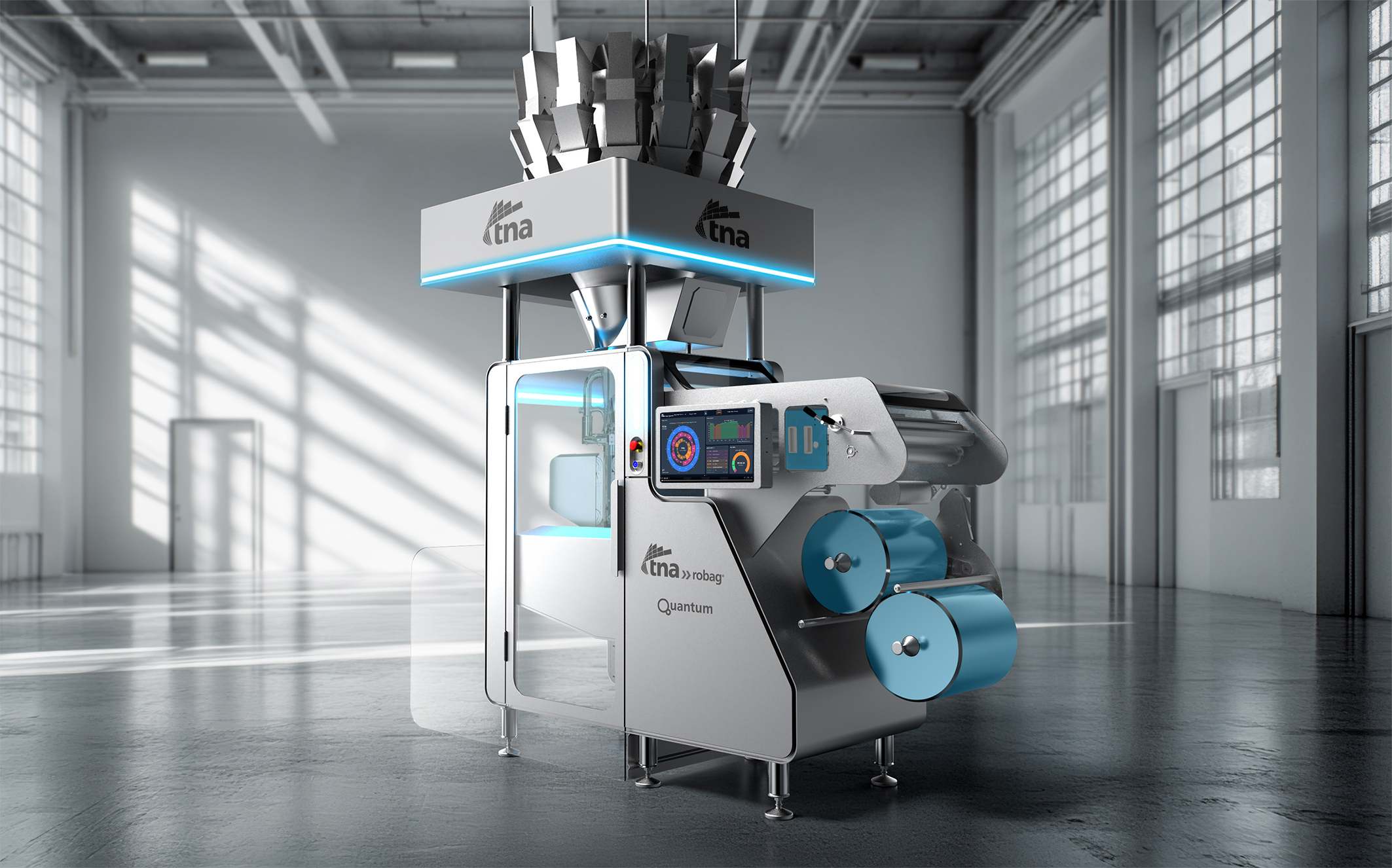
Filling equipment introduces another set of variables. Bags have to be presented consistently, valves located correctly, air controlled during the fill, and product delivered accurately at the required speed, while hygiene and cleaning arrangements have to match the food being packed.
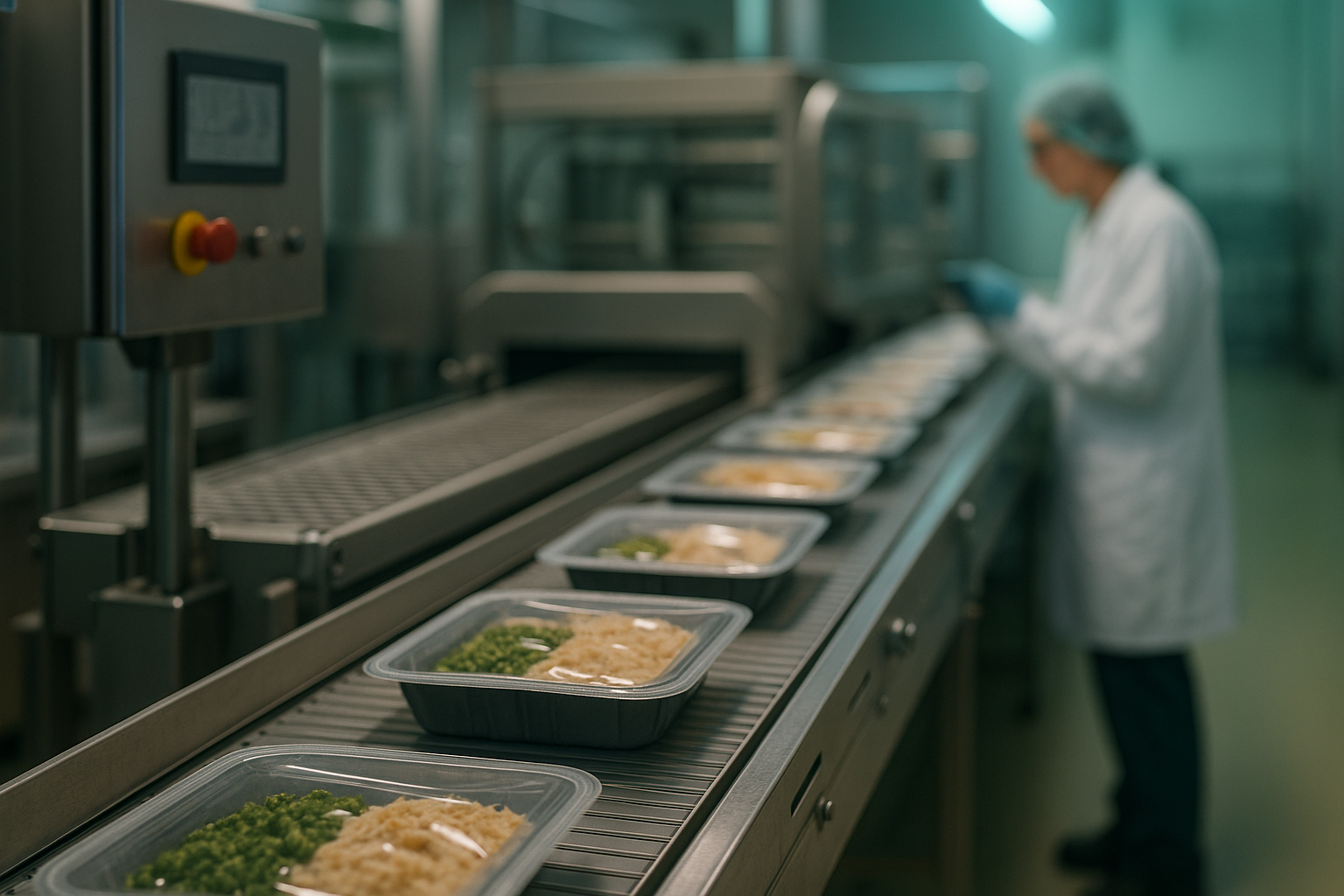
Liquid egg shows how quickly a apparently simple flexible package becomes part of the production process. The product is microbiologically sensitive and commonly feeds bakery, catering, and prepared-food manufacturing, where chilled handling, lot traceability, hygienic filling, and secure closure are integral to the customer’s own food-safety system.
Edible oils place more emphasis on oxidation, light, migration, viscosity, and dispensing behaviour, while wine and juice can be highly sensitive to oxygen ingress. A single packaging platform therefore has to be adapted around several different product-control requirements rather than sold as a universal liner with only the volume changed.
Tesseraux gives Ringmetall direct access to that range of applications. The group already manufactures industrial liners and closure systems, allowing purchasing, polymer knowledge, quality systems, and manufacturing expertise to be shared across a wider packaging operation.
Ringmetall has identified joint purchasing, greater vertical integration, and use of the group’s controlling and IT systems among the expected synergies. The business also plans to use Tesseraux as a route into South Africa for other products, including 1,000-litre liners.
That larger format would move the site further into ingredient and industrial food handling rather than simply extending its existing retail and catering packaging. Bulk liners can reduce dependence on rigid containers in parts of the production chain where processors are moving oils, sauces, concentrates, or other liquid ingredients between manufacturing stages.
The transaction also adds another geography to Ringmetall’s existing network across Europe, China, and the United States. Regional production can be commercially important in packaging because transport costs, lead times, and inventory exposure rise quickly when low-unit-value packaging components have to move long distances.
A local converter also shortens the technical route between packaging supplier and filling operation. Qualification of a new valve, liner dimension, material structure, or machine setting is considerably easier when production engineering support sits in the same region rather than several freight legs away.
The existing Vinbag management will remain in charge of Tesseraux, with Ringmetall providing additional management support during integration. That structure reduces the need for an immediate operating overhaul at a business whose existing customer relationships and production knowledge form much of the value being acquired.
Integration still carries risks familiar to food-packaging acquisitions. Procurement savings are useful only if changes in material, supplier, or manufacturing route are controlled carefully enough to preserve food-contact compliance, sealing performance, quality consistency, and customer approvals.
Ringmetall’s decision to retain local management suggests that the first stage will focus on connecting the business with group systems rather than forcing rapid manufacturing consolidation. The more consequential industrial indicators will come later, through equipment investment, additional liner products, higher output, or greater local vertical integration.
Tesseraux is a relatively small acquisition inside Ringmetall, but it provides the group with something it did not previously have: an operating African packaging base supplying established liquid-food markets. Whether that becomes a wider regional platform will depend on the amount of manufacturing, product range, and customer development Ringmetall puts behind the Cape Town operation after integration.