IN Brief:
- The European Union Seafood Alliance wants blue foods incorporated into the EU Fisheries and Aquaculture Vision 2040.
- The proposal covers fisheries, aquaculture, seafood processing, trade, and higher-value use of by-products.
- Industry groups want aquatic foods to hold a larger role within European protein resilience and food strategy.
The European Union Seafood Alliance has called for a dedicated blue foods action plan within the EU Fisheries and Aquaculture Vision 2040, seeking closer coordination between seafood production, processing, trade, and food security policy.
The alliance brings together organisations representing fishing fleets, aquaculture producers, processors, and traders, including the European Association of Fish Producers Organisations, Europêche, the Federation of European Aquaculture Producers, Seafood Europe, and the European Mollusc Producers Association.
Aquatic foods remain underrepresented within European protein planning despite their contribution to food production, employment, trade, and regional economies. The proposed action plan would place fisheries, aquaculture, and seafood processing alongside other protein sectors within longer-term food policy.
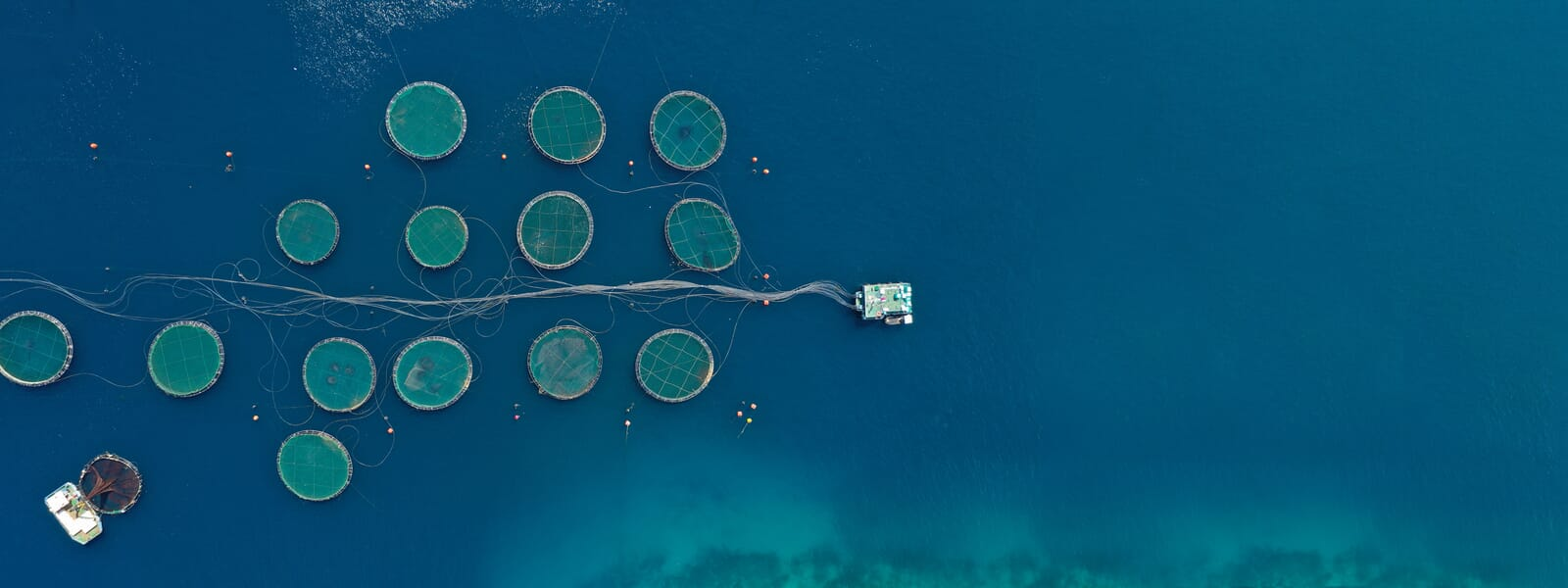
EU aquaculture produced approximately 1.2 million tonnes in 2020 and generated turnover of around €3.9 billion. Production has nevertheless remained comparatively static, while European demand continues to depend heavily on imported fish and shellfish.
Processing plants have remained commercially active by sourcing internationally, although that model exposes operations to freight costs, currency movements, border controls, changing catch conditions, and competition from buyers in other regions. A stronger European production base could provide additional stability without replacing the need for imported raw material.
The alliance is seeking a framework that connects investment, permitting, regulation, market access, and trade. Fragmented responsibility across those areas has repeatedly slowed aquaculture development and complicated long-term planning for processors reliant on stable species, sizes, and harvest schedules.
By-products broaden the economic case
Seafood processing produces substantial quantities of skins, frames, shells, trimmings, and viscera, much of which still enters low-value outlets. Controlled collection and processing can turn those streams into proteins, oils, collagen, minerals, flavour compounds, fertilisers, biomaterials, and packaging inputs.
European research programmes including VALORISH, EcoeFISHent, WaSeaBi, and SEA2LAND have examined routes into higher-value applications. Industrial adoption depends on consistent segregation, rapid stabilisation, traceability, sufficient volume, and dependable downstream demand.
Materials intended for food-grade protein or collagen extraction must remain within suitable hygiene controls from the moment they leave the main production line. Chilled collection, shorter holding periods, revised zoning, and separation by species or grade may all be required.
Those changes can increase the value recovered from each fish or shellfish crop, particularly where revenue is generated from several fractions rather than the primary fillet or whole product alone. Additional value can support investment in aquaculture, processing equipment, and regional manufacturing capacity.
The market for secondary ingredients must still be large enough to justify dedicated extraction and handling systems. Processors cannot invest solely on the basis of theoretical yields where buyers, specifications, and price structures remain uncertain.
Environmental controls will shape any expansion of European production. Aquaculture projects can be delayed by licensing, competition for coastal sites, water quality limits, disease concerns, and local opposition, while capture fisheries remain constrained by quotas, stock condition, fuel prices, and ecosystem management.
Trade will remain central because Europe cannot quickly replace the quantity or range of seafood currently imported. Many processing facilities specialise in species unavailable within European waters at sufficient scale, making stable import arrangements as important as stronger domestic production.
A workable 2040 plan would therefore need to connect raw material supply with factory utilisation, labour, energy, logistics, by-product markets, and permitting. Production targets alone would not prevent processors from operating below capacity if species, sizes, quality, or delivery patterns failed to match their equipment and customer requirements.
The alliance’s intervention places processing more firmly within the policy discussion, rather than treating aquaculture and fishing as isolated primary industries. A larger blue foods economy will depend on whether Europe can move aquatic material efficiently from water to plant, extract greater value from every fraction, and maintain the trade flows required to keep factories supplied.