IN Brief:
- SKS Copack has recalled multiple specialty beverage and dessert powder products.
- The recall is linked to low-heat nonfat dry milk powder supplied by California Dairies.
- Affected brands include Angel Specialty Products, Royal Gold, Boba Time, Fanale, and Denda.
SKS Copack has recalled a range of specialty beverage and dessert powder products in the US because of possible Salmonella contamination linked to a dry dairy ingredient.
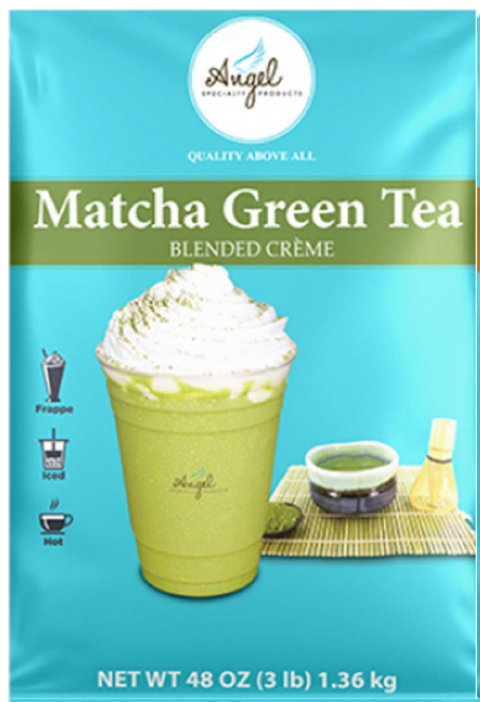
The recalled products were sold under several brands, including Angel Specialty Products, Royal Gold, Boba Time, Fanale, and Denda. They include powders used in matcha drinks, milk tea, taro, caramel latte, horchata, coconut beverages, white chocolate drinks, French vanilla cappuccino, smoothie bases, yoghurt powders, pistachio powder, and ice cream mixes.
The recall was triggered after SKS Copack received notification from California Dairies that a lot of low-heat nonfat dry milk powder may be contaminated with Salmonella. Positive Salmonella results were identified during routine testing. SKS Copack has quarantined the remaining recalled ingredient lot, ceased distribution of recalled products, and is cooperating with the US Food and Drug Administration while the investigation continues.
No illnesses have been reported. The products were distributed through cafés, restaurants, and direct delivery, giving the case particular relevance for ingredient-led foodservice supply chains. Many of the recalled items are not finished beverages at retail in the conventional sense. They are powders used by operators to prepare drinks, desserts, and blended products on demand.
That structure creates a different recall challenge. Powdered beverage systems can move through multiple handling points before consumption: ingredient manufacture, co-packing, branded distribution, café storage, preparation, and service. Once a dry dairy ingredient enters a composite powder, the finished mix may be used in many recipes, across multiple operator sites, and in products that are not always traceable to consumers in the same way as packaged retail goods.
Dry dairy ingredients are widely used because they provide flavour, body, protein, colour, mouthfeel, and dairy notes without the logistics of liquid milk. Low-heat nonfat dry milk is particularly useful where solubility and functional performance are important. Those advantages also mean that one affected ingredient lot can move quickly into many categories before a problem is identified.
The wider California Dairies recall chain has already spread through powdered milk, buttermilk, snack seasonings, beverage mixes, confectionery, dairy products, and other finished goods. The SKS Copack recall extends that pattern further into foodservice beverage systems, showing how deeply a single dry ingredient can be embedded across manufacturers and operators.
Supplier assurance and lot-level traceability are central to managing dry ingredient risk. Powders are sometimes treated as lower risk because they are shelf stable and have low water activity. Salmonella challenges that assumption. The organism can survive in dry environments, and contamination in a powdered ingredient can persist through blending, packing, and storage unless a validated kill step is present later in the process.
For co-packers, the controls are largely procedural and data-driven: supplier approval, certificates of analysis, incoming lot checks, segregation, formulation records, batch reconciliation, customer distribution logs, and rapid hold procedures. Where affected ingredient has already been blended into multiple finished powders, recall speed depends on the quality of those records.
Beverage operators also sit inside the manufacturing recall chain when they use branded powder systems. A café or restaurant may prepare the final drink on site, but its safety still depends on upstream controls around dairy powders, blending, packing, and distribution. Dry beverage systems are efficient, scalable, and commercially flexible, yet their safety depends on the same disciplined ingredient control as higher-profile chilled or ready-to-eat categories.