IN Brief:
- Processing has started at RenEco’s Chelveston facility, which will convert Tesco bakery and produce surplus into animal feed.
- The plant can handle packaged material in store cages as well as palletised volumes from manufacturing sites.
- Scale and de-packaging capability make the site relevant beyond retail, especially for manufacturers managing unavoidable food surplus.
Tesco has begun live processing at RenEco’s new animal feed facility in Chelveston, Northamptonshire, bringing into operation a site that could reshape how surplus bakery and produce are handled across parts of the UK food chain.
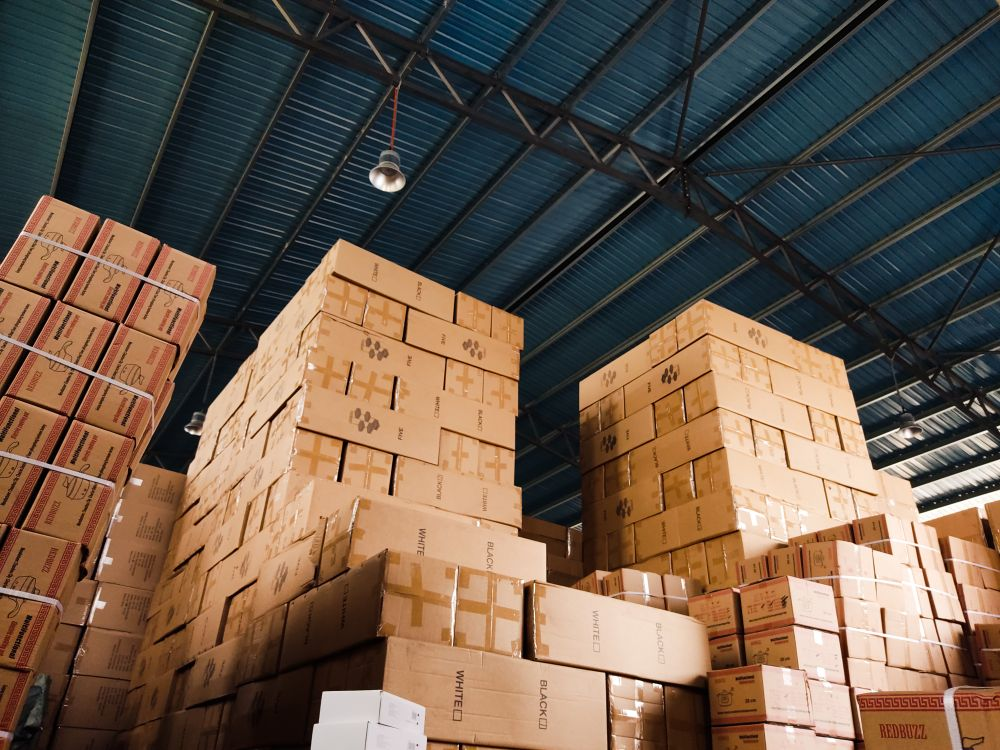
The site is owned and operated by RenEco, Tesco’s existing food waste partner, and is processing surplus bakery and fresh produce that has already been offered to colleagues and charity partners. What makes Chelveston notable is not simply that it diverts material into feed, but that it has been built to handle the realities of modern food distribution. The plant can process packaged food transported in supermarket cages and is also equipped to take bulk volumes and palletised materials from food manufacturing sites. That broadens its relevance beyond a retail back-end operation.
Tesco said surplus produce is collected from stores across the UK and moved through its transport network to Chelveston, where it is weighed, analysed for feed safety, quality checked, and converted into feed made to farm specification. The facility is designed to run year-round and can handle up to 1,000 tonnes of product a week at peak. Long term, the intention is for feed produced there to be supplied to farmers that supply Tesco and its food producers, tightening the circular loop between surplus generation and agricultural use.
The site’s location is part of the story. Chelveston sits within a renewable energy park, runs on wind and solar power, and is positioned close to Tesco’s rail hub. That combination is meant to reduce transport emissions while allowing the site to operate at scale. More importantly, the plant has been designed with enough flexibility to accept surplus from Tesco suppliers, food manufacturers, and potentially other retailers. That is where the wider industrial significance starts to come into focus.
For manufacturers, surplus is often discussed in broad sustainability language, but the operational problem is very practical. Material can be entirely safe yet no longer saleable because of forecast error, pack changes, shelf-life limitations, handling damage, or customer specification shifts. Once that happens, the economic value of the product depends on how quickly and how cleanly it can move into another channel. A site able to receive packaged food, depack it mechanically, and turn it into an approved feed stream introduces another route for material that might otherwise move into lower-value disposal pathways.
There is also an infrastructure point here. Many food businesses can improve forecasting and still generate unavoidable surplus. What tends to limit better outcomes is not intention but available processing capacity. If Chelveston can genuinely take mixed volumes from stores, suppliers, and manufacturing operations while maintaining feed safety and quality, it becomes more than a Tesco sustainability project. It becomes part of the UK’s surplus-handling infrastructure.
That is particularly relevant for bakery and produce, where value drops quickly once primary sale is no longer possible. In those categories, a timely feed route can preserve more utility from the material than treatment routes focused mainly on energy recovery. The attraction is not only environmental. It is about reducing the cost and complexity of managing surplus without defaulting to destruction or inefficient handling.
The launch also reflects a more mature phase of circularity projects in food manufacturing. The easy gains have largely been made in redistribution, lighter packaging, and broad waste-reduction pledges. The harder work now lies in building the physical systems that can handle what remains. De-packaging, feed conversion, rail proximity, renewable energy, and year-round capacity are not headline-grabbing on their own, but they are the kinds of operational details that decide whether a circular model functions at industrial scale.
Chelveston will now be watched on throughput, reliability, and how widely it is opened to third-party material. If those pieces hold, the site could become a practical template for how large retailers and manufacturers deal with unavoidable food surplus rather than simply report on it.