IN Brief:
- TG-Group has integrated Swiss robotics specialist Pick Place into its packaging and automation platform.
- The move adds high-speed delta robotics, vision systems, and AI-enabled automation to the group’s food packaging capability.
- Food packaging suppliers are moving toward more integrated systems as labour pressure, changeover complexity, and line-efficiency demands increase.
TG-Group has integrated Swiss robotics specialist Pick Place into its industrial platform, adding high-speed robotic handling, vision systems, and AI-supported automation to its packaging machinery capability.
The Belgian group already brings together businesses including TG-Packaging, Entrec, Frematt, and A-tec, covering packaging machinery, infeed systems, flowpack equipment, retrofit projects, spare parts, and service. Pick Place adds a specialist robotics operation focused on delta robots, machine vision, and automated product handling for packaging and assembly lines.
With the acquisition, TG-Group gains a stronger route into complete packaging automation projects where robotic handling is designed into the line from the outset rather than added after the main machine specification has been fixed. Pick Place will retain its existing team, with Christian Vouilamoz and Denise Sivete remaining shareholders.
That continuity gives the enlarged group access to application knowledge in a part of food automation where experience remains difficult to shortcut. Fast robotic movement is only one part of the task; food products vary in shape, orientation, surface condition, rigidity, temperature, and pack readiness. A system that performs well with uniform test pieces can quickly struggle when products stick, deform, arrive inconsistently, or require frequent format changes.
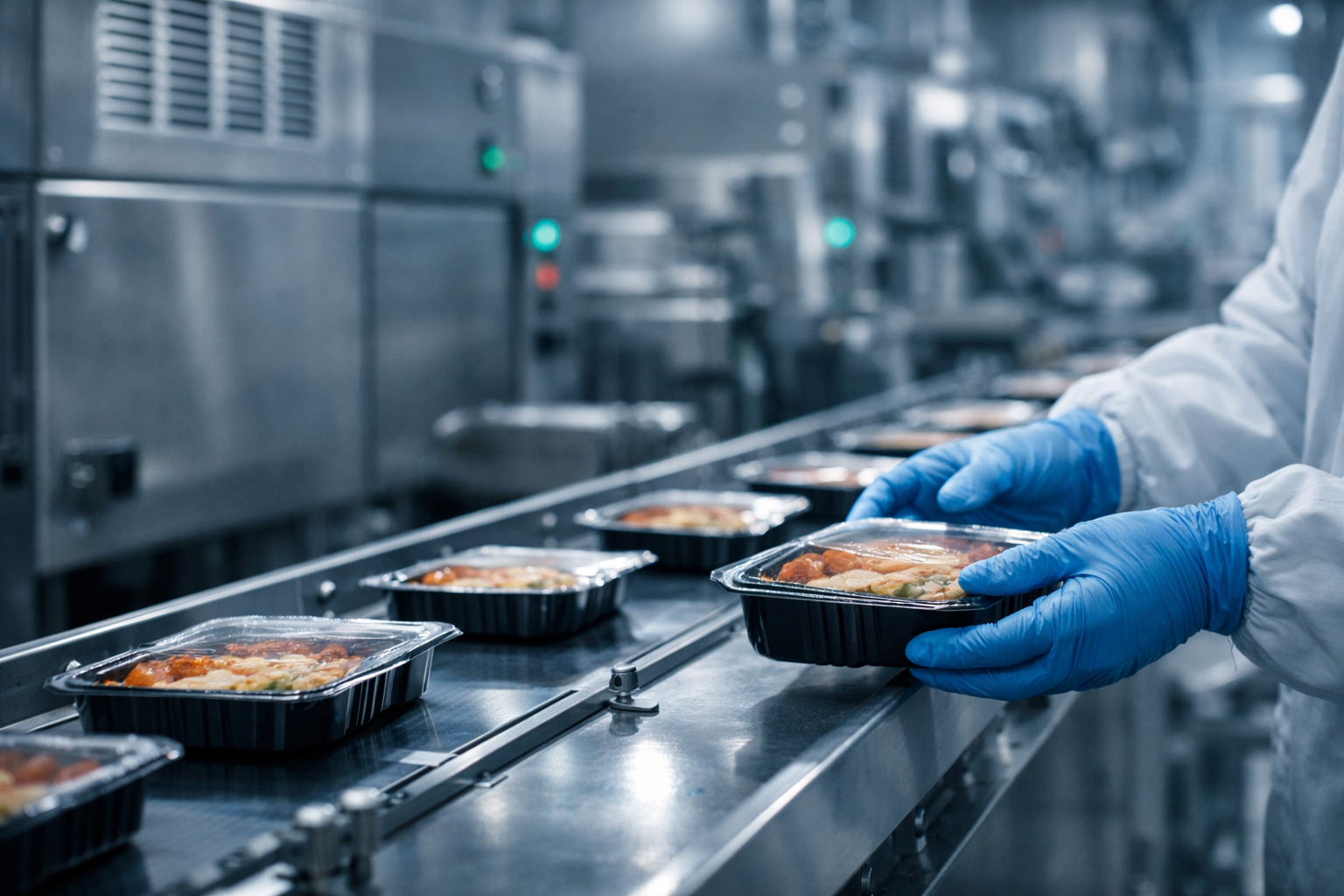
Packaging automation has become more dependent on the relationship between feeding, sensing, gripping, wrapping, inspection, and downstream case packing. Food manufacturers are producing shorter runs across more product variants, while labour availability remains uneven and manual repetitive loading is increasingly hard to staff. These pressures are pushing equipment suppliers toward broader system responsibility rather than isolated machine supply.
Robotic pick-and-place systems are well suited to tasks involving high repetition, rapid transfers, and defined product windows, but their performance depends heavily on upstream control. Feeding, singulation, belt speed, product spacing, and vision quality all determine whether a robot can keep pace with the line. The best systems reduce manual intervention, maintain pack quality, and preserve line balance during changeovers.
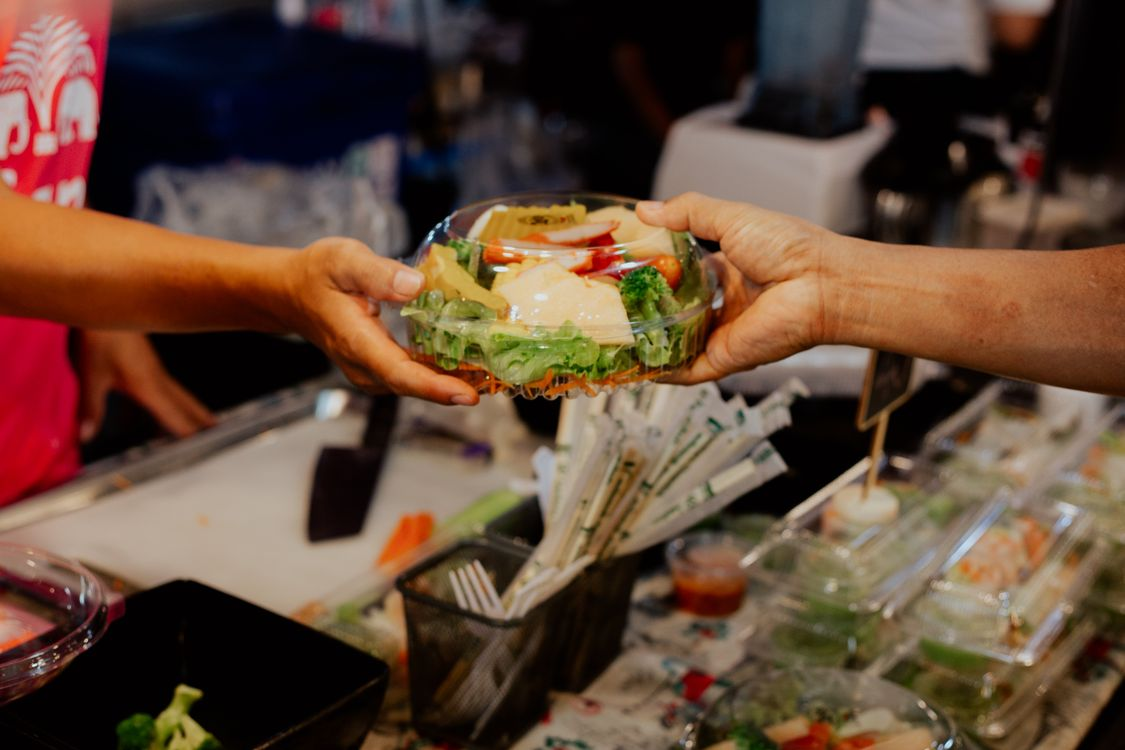
Recent machinery development in food packaging has followed the same path. Format-flexible salad packaging systems, hygienic drives, and integrated control platforms have all moved from discrete equipment stories into broader production-efficiency decisions, as plants seek higher output without adding more manual handling or avoidable stoppages.
The integration of Pick Place gives TG-Group more control over one of the most variable sections of the packaging line. Robotics, vision, and AI-supported control can help manage product variability, but their use in food plants depends on practical engineering around cleaning, access, reject handling, guarding, and maintenance. Any automation gain can be lost if the system becomes difficult to clean, awkward to adjust, or too sensitive to normal production variation.
Supplier consolidation in packaging automation is likely to continue as food manufacturers seek fewer project interfaces and clearer accountability for line performance. Multi-vendor systems can be effective, but they require careful coordination between machinery suppliers, robot integrators, controls engineers, and service teams. Combining those capabilities gives suppliers a stronger position in complete-line projects and long-term support.
TG-Group’s expanded platform gives it a wider technical base as packaging automation moves further into mainstream food manufacturing. The strongest applications will be those that improve consistency, reduce manual contact, protect fragile products, and help plants manage greater product variety without losing throughput.