IN Brief:
- The Protein Brewery has raised an €18m Series B extension following EU approval for Fermotein.
- The funding supports scale-up of mycelium-based ingredient production at the company’s Breda facility.
- European alternative protein is moving from regulatory clearance toward manufacturing capacity and customer conversion.
The Protein Brewery has raised an €18m extension to its Series B funding round as it prepares to scale Fermotein, its mycelium-based whole-food ingredient, following European Union novel food approval.
The round, led by ABN AMRO Sustainable Impact Fund, gives the Dutch fermentation company additional capital for production expansion, customer development, and commercial execution. Fermotein is produced through microbial fermentation and is positioned as a protein-rich, fibre-containing ingredient for food manufacturers developing active nutrition, functional foods, dairy alternatives, snacks, and broader protein-enriched formats.
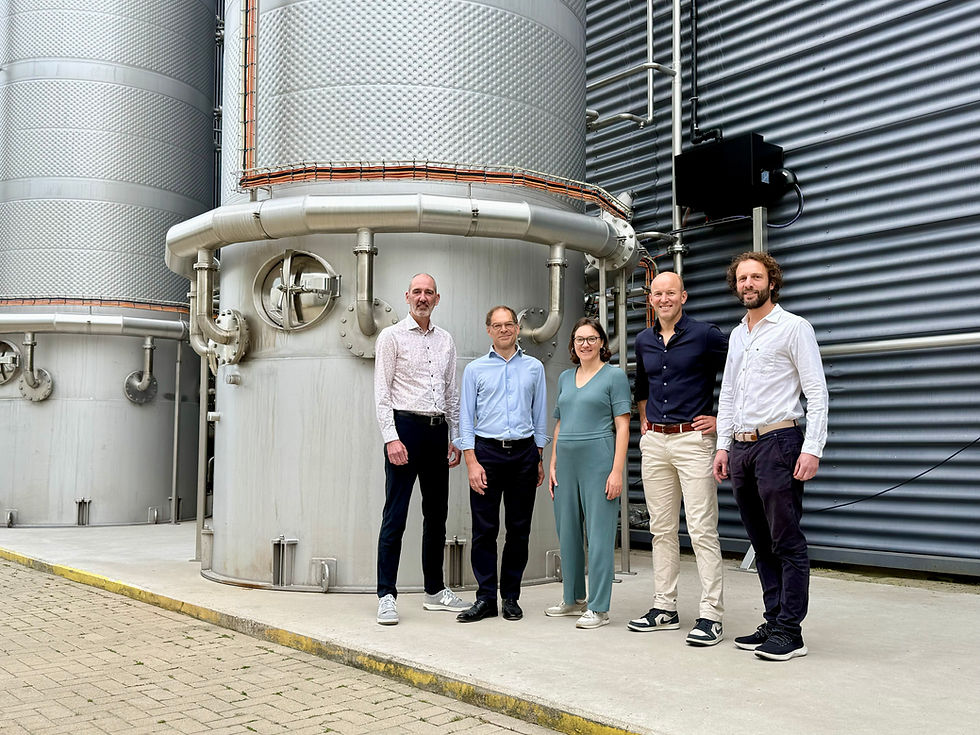
Production work is centred on the company’s facility in Breda, where fermentation capacity and downstream processing will shape how quickly Fermotein can move from regulatory clearance into commercial recipes. The ingredient’s approval created the formal route to market; the new funding shifts the emphasis toward repeatable output, application support, and supply reliability.
With Fermotein’s EU novel food approval already secured, the company now faces the harder operational test of turning an authorised ingredient into a dependable industrial input. Alternative protein customers have become more selective, with formulation teams weighing taste, nutrition, allergen status, texture, labelling, procurement continuity, and cost-in-use before committing to new ingredients at scale.
That shift has changed the financing climate for fermentation companies. Early category momentum was often built around sustainability claims and long-range capacity ambitions, but investment is now concentrating around businesses with regulatory progress, tangible production assets, and credible customer pathways. Ingredients must prove they can work through real manufacturing environments, not only through pilot trials or concept products.
Fermotein’s position as a whole-food mycelium ingredient gives it potential in categories where manufacturers are seeking protein, fibre, and micronutrient value without relying exclusively on animal or crop-based proteins. The commercial value will depend on sensory neutrality, process stability, and the ability to deliver consistent performance across multiple applications.
Active nutrition and better-for-you foods are creating a useful opening. Protein is moving beyond traditional sports formats into mainstream snacks, breakfast products, beverages, bakery, and everyday wellness foods. At the same time, manufacturers are looking for protein systems that support cleaner labels, fibre enrichment, lower-sugar development, and differentiated nutritional claims without requiring heavy flavour masking.
The ingredient also sits within Europe’s wider effort to build more resilient food technology capacity. Fermentation-derived ingredients can reduce reliance on volatile agricultural inputs, but they introduce their own constraints around energy use, feedstock supply, capital expenditure, and plant utilisation. Commercial competitiveness will depend on how efficiently companies can operate fermentation assets and how consistently they can supply customers during scale-up.
Customer conversion will be the next marker. Food manufacturers tend to move cautiously with new base ingredients, particularly where recipe, labelling, shelf-life, and procurement specifications all change at once. The Protein Brewery will need to support formulation trials, validation work, technical documentation, and launch planning across different product types.
The €18m extension gives Fermotein a stronger path into that phase. European novel food approval opened the door, but production discipline, application performance, and cost control will determine whether the ingredient can earn regular use in commercial food manufacturing.