IN Brief:
- Luminy FOAM 50F is a high melt strength PLA grade for extrusion foamed packaging.
- The material is intended to run on existing XPS extrusion lines with limited modification.
- Target applications include fresh meat and fish trays, clamshells, bowls, and food service packaging.
TotalEnergies Corbion has launched Luminy FOAM 50F, a high melt strength PLA grade for extrusion foamed packaging applications including fresh food trays, clamshells, and bowls.
The sugarcane-based material is being introduced as a lower carbon alternative to conventional extruded polystyrene foam. It is intended to run on existing XPS extrusion lines with comparable throughput and limited modification, giving converters a potential transition route without wholesale replacement of installed equipment.
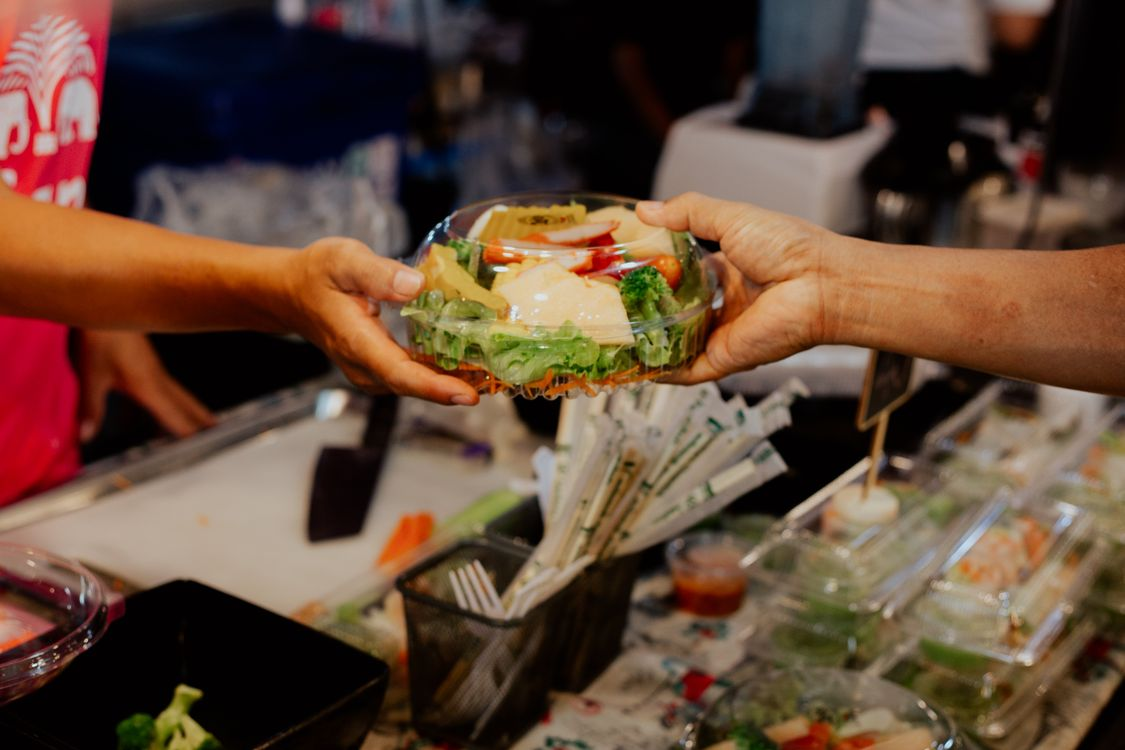
Target applications include trays for fresh products such as meat and fish, as well as food service formats where stiffness, cushioning, low density, moisture handling, and forming consistency are important. The company describes the material as biobased, industrially compostable, recyclable, and free from styrene, PFAS, and persistent microplastics.
Foam packaging is under increasing scrutiny as polystyrene restrictions expand across multiple markets. Food processors and packaging converters have been looking for materials that can match the practicality of XPS while reducing regulatory exposure. Fresh food trays are not passive containers; they protect product presentation, support absorbent pads where required, maintain rigidity, resist cracking, and run through packing systems without excessive rejects.
Luminy FOAM 50F uses high melt strength to support stable foam production without additional chain extenders, additives, or reactive processing. Stable cell structure is central to foam performance because density, insulation, stiffness, and surface quality all depend on consistent morphology. In fresh protein packaging, those properties influence pack integrity, stacking, retail display, and handling through chilled distribution.
The launch sits alongside wider work to find circular or lower impact alternatives for difficult food packaging formats. Tray materials have been pulled in several directions at once, with circular food grade polystyrene development showing how incumbent materials are also being redesigned while newer biobased options move towards production trials.
Factory compatibility will be central to adoption. New packaging materials have to work through denesting, filling, sealing, labelling, checkweighing, inspection, case packing, and cold distribution. Minor differences in stiffness, friction, surface finish, or dimensional stability can affect line performance, pack rejection, and shelf presentation.
Converters also need the economics to work on installed assets. Extrusion lines represent major capital investment, and few packaging producers can justify new equipment for every emerging material. If a PLA foam grade can use current machinery with practical output rates, the barrier to adoption is lower. If it requires slower throughput, tighter process control, or higher scrap rates, the commercial case weakens.
Food contact status will shape market rollout. Luminy FOAM 50F is available for commercial orders globally and has food contact approvals for the US and South Korea. Use in other markets will depend on the relevant regulatory route and application, with European users needing to consider food contact status, compostability claims, end-of-life infrastructure, and customer requirements around recyclability.
No single material route will solve every packaging problem. Compostable, recyclable, biobased, mechanically recycled, chemically recycled, fibre-based, and reusable formats all have roles, but their usefulness depends on product category, infrastructure, legislation, and factory compatibility. Fresh food and food service packaging remain particularly difficult because performance requirements are high and margins can be tight.
The strongest opportunity for PLA foam will be in applications where processors and converters need a lower impact alternative without compromising forming and handling. Fresh protein and food service packaging are obvious test areas because they combine regulatory exposure, high material volumes, and demanding performance requirements.
TotalEnergies Corbion’s launch adds another technical option as polystyrene alternatives move from niche discussion into operational decision-making. The material will now be judged on commercial line performance, food contact compliance, customer acceptance, and whether recovery systems can support the environmental claims attached to the pack.