IN Brief:
- UPP and East of Scotland Growers have agreed a five-year partnership around automated selective broccoli harvesting.
- The model turns broccoli biomass normally left in the field into feedstock for plant-based protein and fibre ingredients.
- The deal links farm automation, grower revenue, food manufacturing ingredients, and Scope 3 reduction into one operating model.
Upcycled Plant Power has signed a five-year partnership with East of Scotland Growers to deploy automated selective broccoli harvesting and turn crop side-streams into food ingredient feedstock.
The agreement will see UPP’s harvesting technology used across East of Scotland Growers farms, with biomass traditionally left in the field converted into protein and fibre ingredients. The model is designed to reduce dependence on seasonal labour, lower harvest costs, and create a secondary revenue stream for grower members.
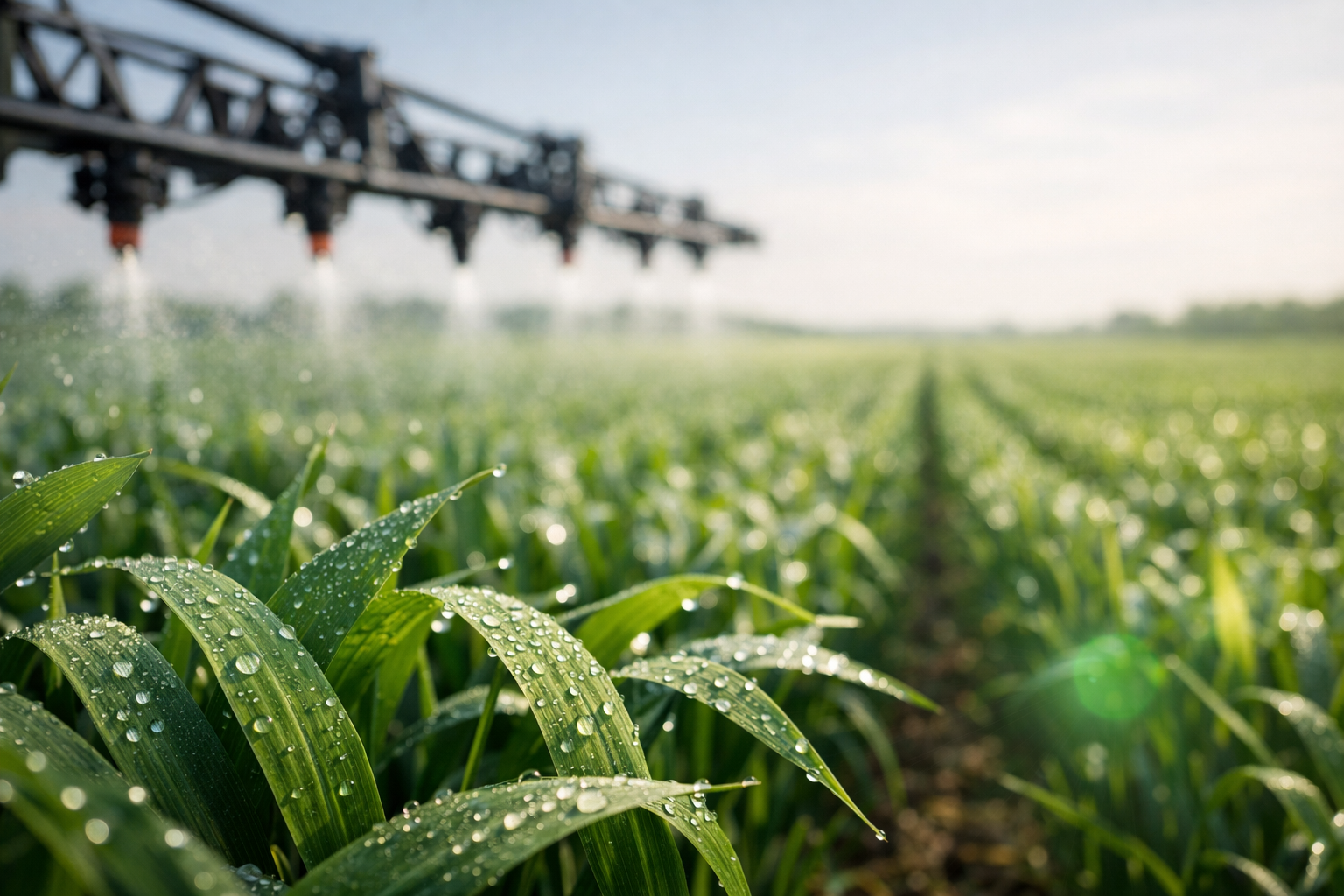
UPP’s system harvests broccoli using automated selective technology and captures more of the plant than conventional head-focused harvesting. The side-stream material can then be processed into allergen-free plant-based protein and fibre ingredients for food manufacturing applications. The company is positioning the ingredients as drop-in options for manufacturers looking to improve nutrition, reduce cost, and lower supply-chain emissions without relying on novel-food regulatory routes.
The commercial structure gives the partnership its weight. East of Scotland Growers will share in the gross margin generated from UPP’s sale of upcycled proteins and fibres, allowing growers to monetise material that would otherwise have limited commercial value. The partners are targeting harvest-cost savings of at least 30%, with the agreement expected to generate more than £10m for each party over five years once multi-unit harvester deployment begins from year two.
The deal follows UPP’s £3.5m funding round, including £1.5m from climate-focused investor Elbow Beach. That capital is intended to support scale-up of the company’s dual-revenue model, where automation improves harvest economics while side-stream processing creates ingredients from underused crop biomass.
Broccoli remains heavily exposed to labour availability because selective harvesting depends on assessing plants that mature unevenly. Delayed harvests can increase field losses, raise costs, and reduce usable yield. A machine capable of identifying and harvesting the right plants at the right stage changes the labour equation, provided it can operate reliably across field conditions, weather variability, crop density, and commercial harvest windows.
The ingredient side of the agreement widens the significance beyond farm automation. Plant protein has moved through cycles of high investment, reformulation pressure, and margin difficulty, but manufacturers still need functional proteins and fibres that are cost-competitive, nutritionally credible, and simple to use. Domestic feedstock created from agricultural side-streams offers a different supply profile from imported commodity protein or highly processed novel inputs.
Food security and farm productivity are increasingly tied to how much value can be recovered from existing crops. Defra’s long-term farming roadmap places productivity, resilience, and confidence at the centre of UK agricultural strategy, while vegetable growers continue to face labour, weather, and input-cost pressure. A model that improves grower returns and creates ingredient capacity from existing production fits squarely into that pressure point.
Ingredient risk is also becoming more visible in manufacturing strategy. Recent discussion around sustainable food ingredients has reinforced the importance of resilient sourcing, credible data, and supply models that can withstand cost and availability shocks. Upcycled crop biomass will only gain ground if it delivers dependable volume, stable functionality, and a price structure that works outside trial batches.
Broccoli biomass is not valuable simply because it is available. It has to be collected at the right quality, stabilised or processed efficiently, converted into a usable ingredient, and supplied in volumes that manufacturers can formulate around. Harvesting, local processing, logistics, ingredient characterisation, and customer application work all sit in the same chain. Weakness in any one stage can undermine the proposition.
East of Scotland Growers gives the project a concentrated grower network and a crop base large enough to test that chain commercially. The cooperative model supports crop planning, volume coordination, and supply-chain discipline from its base in Fife. Those characteristics are important because side-stream processing needs predictable feedstock rather than opportunistic collection after the main harvest has been completed.
UPP has indicated that the model could extend into cabbage and lettuce, although each crop brings different harvesting, handling, and processing demands. The same principle would apply: reduce field losses, lower labour exposure, and capture usable biomass before it becomes an underused by-product. A successful broccoli rollout would give the company a stronger basis for adapting the technology across other high-volume vegetable systems.
The agreement shows how ingredient manufacturing is moving further upstream. Crop selection, harvest method, field losses, side-stream recovery, and grower economics now shape the ingredient choices available to food producers. UPP and East of Scotland Growers are testing that shift in broccoli, where the material left behind in the field may become the part that changes the commercial model.