IN Brief:
- The £27m bakery has begun commercial production at Wrexham Industrial Estate following test runs during the summer.
- New machinery has been designed around production quality, consistency, product development, and future market requirements.
- The investment has created 75 jobs across the business, including 30 positions at the rebuilt bakery.
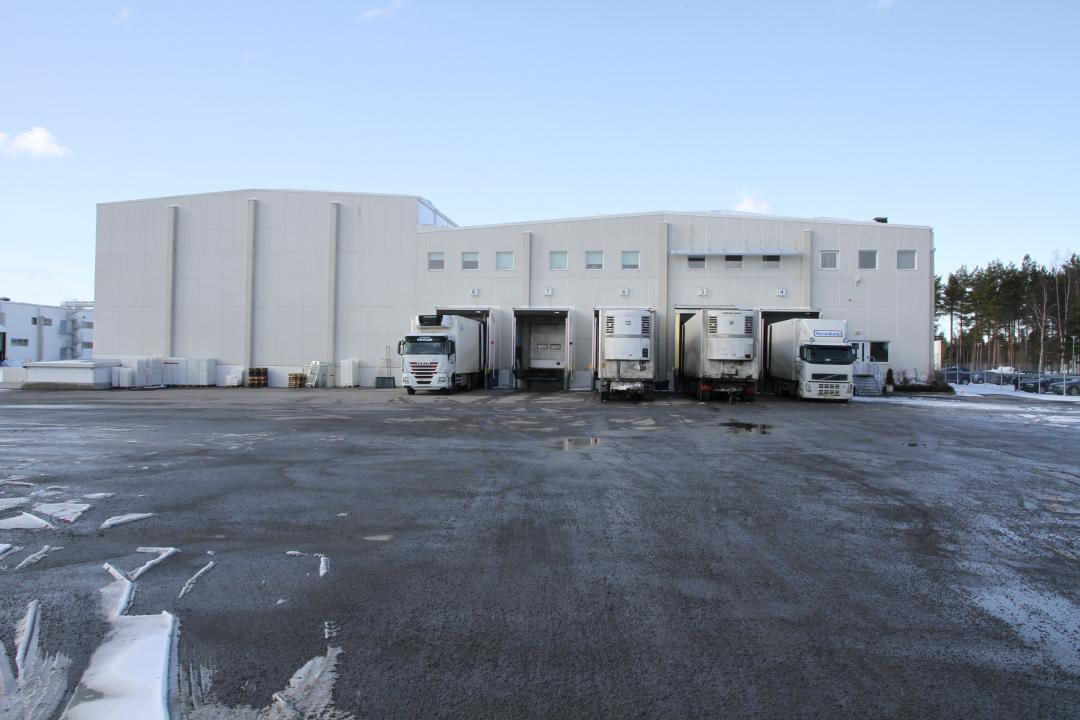
Village Bakery has restarted commercial bread production at its rebuilt Wrexham Industrial Estate site, bringing a £27 million facility into operation where the company’s former flagship bakery was destroyed by fire in 2019.
Village Bakery began test production during the summer and is now making bread for sale at the site. The commissioning milestone returns manufacturing to a location that remained out of bakery production for seven years while the wider business continued expanding elsewhere.
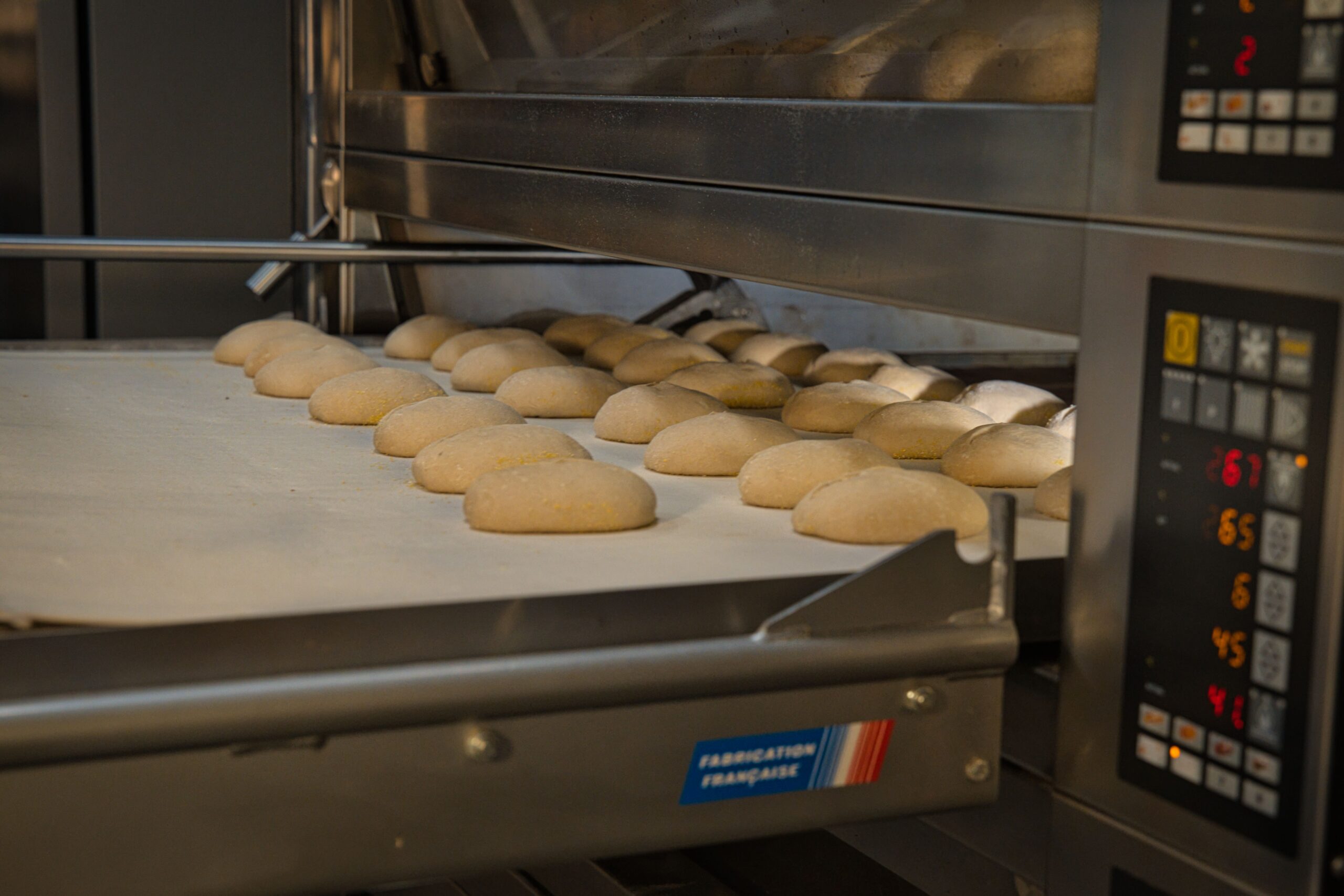
The company has installed new machinery intended to improve product consistency while retaining capacity for further development. The rebuilt operation has been configured with future products and markets in mind rather than recreating the destroyed bakery to its previous specification.
That difference is substantial after seven years of change in industrial baking technology. Controls, automation, energy management, monitoring, handling, and customer requirements have continued developing since the fire, giving the company an opportunity to reconsider the production process rather than replace individual machines on a like-for-like basis.
The investment has created 75 jobs across the wider business, including 30 positions at the rebuilt bakery. Village Bakery’s workforce has grown from around 500 employees at the time of the fire to more than 1,200, while turnover has tripled over the same period.
The growth was achieved while the original Wrexham site remained unavailable, meaning the reopened bakery joins a company with substantially greater production requirements than existed before the fire. Earlier expansion included other major bakery and line investments across the Wrexham operation.
Industrial bread production depends on tight coordination across ingredient handling, mixing, dividing, moulding, proving, baking, cooling, slicing where required, and packaging. Increasing the capability of one stage only creates useful capacity when the remainder of the line can maintain the same product flow.
Dough makes that integration less forgiving than a production line handling rigid components. Mixing time, temperature, hydration, fermentation, and handling affect the material before it reaches the oven, while baked products remain vulnerable to crushing and deformation during cooling and packaging.
New bakery machinery therefore has to combine output with control. Faster equipment is of limited use if additional rejects appear because the product has not proved correctly, cooling is insufficient, or downstream handling damages loaves before they are packed.
Product variety adds another requirement. Village Bakery manufactures a broad bakery portfolio, and future development can introduce different dough characteristics, baking profiles, sizes, formats, or packaging requirements. Designing flexibility into a new line reduces the likelihood that every product extension will require a substantial engineering modification.
The rebuilt site also carries an obvious continuity lesson. A major factory fire affects considerably more than the machinery physically lost. Production schedules, customer supply, ingredient purchasing, employment, distribution, product development, and future investment can all be disrupted at the same time.
Village Bakery was able to continue growing through other facilities, but that route demands available capacity and considerable capital. Smaller manufacturers facing the loss of a principal site may have far fewer options for redistributing production while rebuilding takes place.
The company’s investment since 2019 has consequently created a different production network from the one damaged by the blaze. The £27 million bakery is now one part of that larger footprint rather than simply the restoration of lost equipment.
Commissioning will determine how quickly the plant reaches stable operation. New industrial food lines generally move through a period of optimisation in which recipes, machine settings, product transfers, controls, maintenance routines, and operator practices are adjusted under sustained commercial production rather than short test runs.
That process can expose small constraints that were difficult to reproduce during installation. Cooling times may limit an apparently faster oven, packaging equipment may require adjustment for product variation, or cleaning schedules may reduce the usable operating window more than expected.
The employment created alongside the machinery is also relevant because increasingly automated bakeries still depend on process knowledge. Operators have to understand the behaviour of dough and finished products while technicians maintain the sensors, drives, controls, ovens, conveyors, and packaging equipment that now carry more of the physical workload.
Seven years after the fire, the key development is that bread is again moving through the Wrexham site. The building phase is finished and the machinery has entered the less photogenic part of the project — establishing repeatable output, quality, uptime, and product changeovers under daily production conditions.
Those operating measures will determine whether the £27 million rebuild delivers the flexibility and additional capability designed into it. The recovery story may have taken seven years, but the factory now has to perform one shift at a time.