IN Brief:
- Vissan proposes VND1.56 trillion of investment in an integrated slaughtering and food processing complex.
- Planned capacity includes a 240-pigs-an-hour slaughter line alongside sausages, canned meat, cold cuts, and other processed foods.
- The project is intended to replace ageing production infrastructure and complete the wider relocation programme by 2029.
Vissan is seeking shareholder approval for a VND1.56 trillion, approximately $60 million, integrated slaughtering and food processing complex in Tay Ninh province as it prepares to relocate production from its long standing Ho Chi Minh City site.
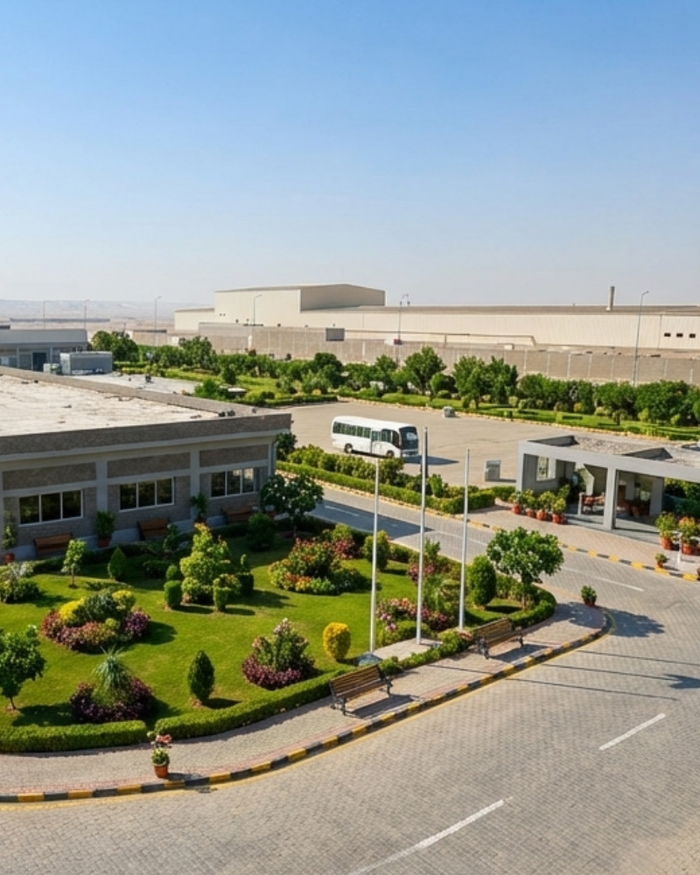
The revised project covers about 224,000 square metres in Thanh Loi commune and combines primary slaughtering with several processed food operations, cold storage, freezing, chilled storage, wastewater treatment, and supporting production infrastructure. Construction is expected to start in November 2026, with the relocation programme targeted for completion by 2029.
Vissan plans to install a pig slaughter line designed for 240 animals an hour and relocate an existing buffalo and cattle slaughter line with capacity for 30 animals an hour. The pig line alone is budgeted at around VND145 billion, while total equipment expenditure across the development is expected to reach approximately VND417 billion.
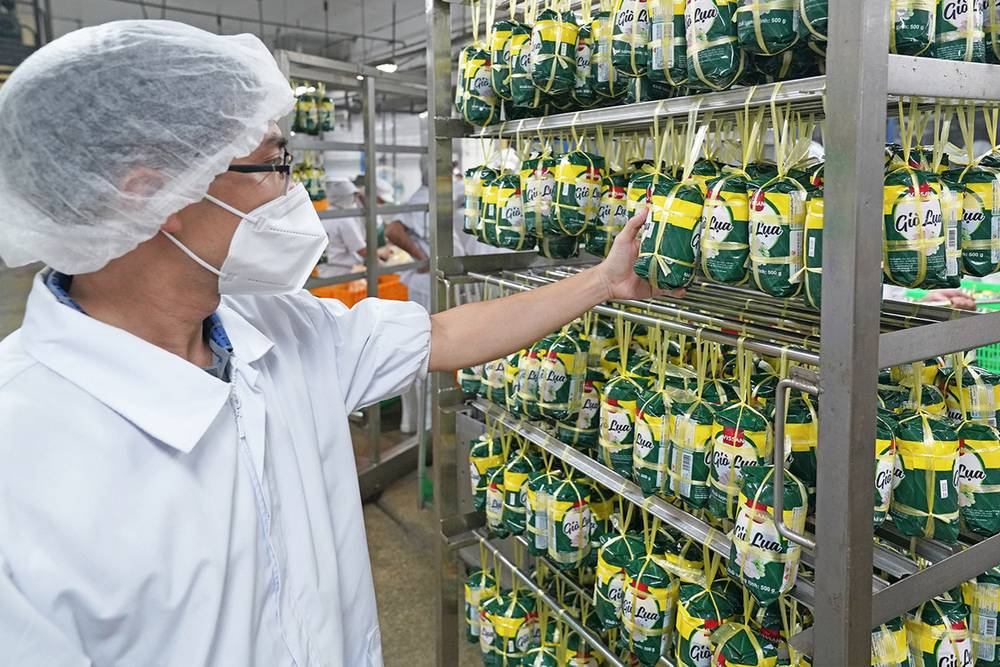
Further processing forms a substantial part of the project. Planned annual capacity includes 20,800 tonnes of sterilised sausages, 5,600 tonnes of other processed foods, 3,400 tonnes of cold cuts, 2,650 tonnes of canned products, 1,500 tonnes of Vietnamese pork rolls and related products, and 900 tonnes of traditional sausage.
The combination creates an operation that can receive livestock, carry out slaughtering, move meat through chilling and storage, and direct raw material into several processing routes on the same industrial site. Vissan describes the project as a closed food processing cluster, with packaging, cold stores, by-product handling, and other auxiliary functions included around the main slaughtering and manufacturing lines.
The relocation is partly driven by the condition of Vissan’s existing production infrastructure. The company has said some slaughtering equipment at the Ho Chi Minh City operation dates from before 1975. Moving to Tay Ninh therefore gives it the opportunity to replace ageing machinery rather than modernise every stage within a constrained legacy site.
A 240 pig per hour line requires coordinated lairage, animal handling, stunning, slaughter, inspection, carcass dressing, chilling, hygiene controls, cleaning, utilities, and by-product management. Increasing the speed of one process without sufficient downstream chilling or cutting capacity would simply move the bottleneck elsewhere, which makes the supporting infrastructure as important as the nominal slaughter rate.
The same principle applies when fresh meat is transferred into further processing. Sausage, canned products, cold cuts, and traditional processed meats each require their own preparation, cooking or sterilisation conditions, recipes, filling or forming equipment, packaging, cooling, and storage regimes. Bringing those operations together can improve material flow and use more of the carcass, but it also increases the need for separation between raw and cooked areas and disciplined control of people, air, equipment, and product movement.
Cold infrastructure is consequently part of the core project specification. Frozen stores, freezing systems, cool stores, and chilled handling capacity are needed to balance slaughter schedules against processing demand and finished product distribution. Meat operations rarely consume every cut at the same rate, so storage capacity gives the plant some ability to separate production timing from customer orders.
Vissan also identifies food safety and traceability as objectives of the replacement. Modern slaughter and processing equipment can provide more controlled movement, monitoring, and separation of process zones, but traceability still depends on livestock identification, production records, batch controls, packaging information, and the ability to link finished goods back through each processing stage.
The company intends to finance at least 30% of the development from equity, with the remaining 70% expected to come from borrowing. Construction represents the largest part of the current budget at around VND882 billion, followed by equipment, while financing costs during the build account for a further VND133 billion.
That funding structure makes project phasing important. A food factory of this scale consumes capital well before it produces saleable output, and commissioning several interconnected operations increases the period between construction spending and stable utilisation. Vissan will also have to manage production at existing facilities while the Tay Ninh plant is built, commissioned, validated, and brought into the operating network.
The project comes as the business works through weaker consumer demand and volatile meat input costs. Vissan reported first half 2026 revenue of about VND1.4 trillion, slightly below the prior year, although net profit increased. The company has also been investing in automation and factory equipment elsewhere, including automatic packaging, sterilisation, smoking, and bowl cutting systems.
Its 2026 corporate plan already identified relocation and technological renewal of the slaughtering and food processing factory as a strategic project. Vissan’s project documentation describes a broader industrial cluster intended to bring slaughtering, food manufacture, cold storage, packaging, and by-product processing into one site. The revised shareholder proposal adds clearer cost, timetable, and first phase capacity figures to that programme.
Shareholder approval and construction still separate the plan from actual output, and a 2029 relocation target leaves several years of execution risk. The critical milestones will be site construction, equipment installation, utility completion, commissioning, food safety validation, and controlled transfer of production from Ho Chi Minh City.
If those stages are completed as planned, the result will be more than a factory move. A modern slaughter line, substantial cooked and processed meat capacity, and integrated cold infrastructure would replace decades old equipment with a production platform designed for larger volumes, tighter traceability, and more extensive further processing.