IN Brief:
- Vitamin Well Group has agreed to acquire Belgium-based protein bar CDMO EMPWR from Waterland.
- EMPWR operates four manufacturing sites and has produced Barebells protein bars for many years.
- The deal strengthens control over capacity, innovation, and supply resilience in protein snack manufacturing.
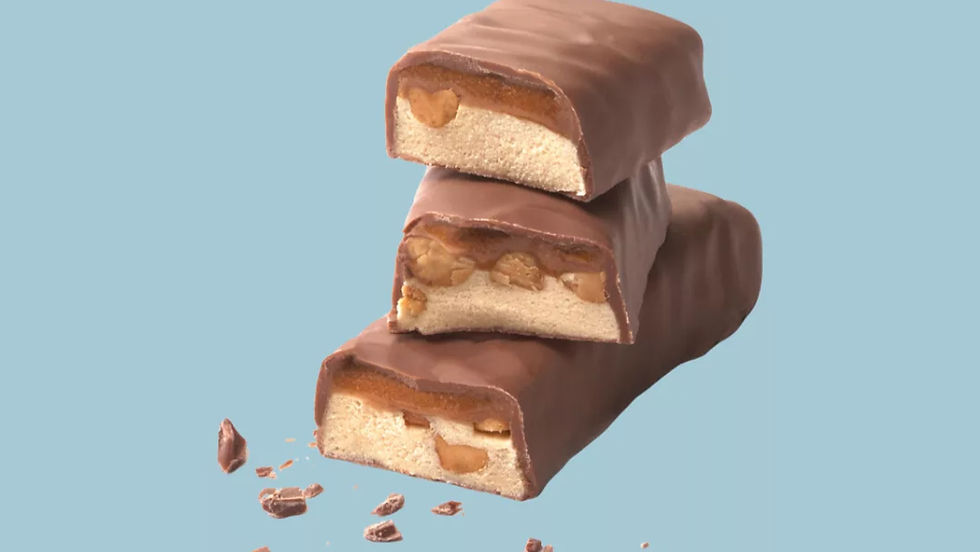
Vitamin Well Group has agreed to acquire EMPWR, the Belgium-based contract development and manufacturing organisation behind long-running production of Barebells protein bars.
The transaction will bring one of Barebells’ key manufacturing partners into the group, strengthening Vitamin Well’s control over capacity, product development, and future growth in protein bar production. EMPWR is being acquired from Waterland Private Equity Investments, which will reinvest part of its proceeds and become a minority shareholder in the enlarged business.
EMPWR operates four manufacturing facilities across Croatia, the Netherlands, the United States, and Canada. The company employs more than 1,500 people and serves more than 100 customers worldwide, giving Vitamin Well Group a broader production base while maintaining EMPWR’s existing third-party manufacturing activity.
The transaction is expected to complete in the fourth quarter of 2026, subject to regulatory approvals and customary closing conditions. Cinven will remain the lead investor in Vitamin Well Group, while the company’s founders and existing shareholders, including Bridgepoint, will continue as significant long-term owners.
Protein bars are highly dependent on process capability. Ingredient hydration, protein behaviour, sweetener systems, fat selection, coating performance, inclusions, texture, cutting, wrapping, and shelf stability all influence product quality. A product that appears simple on shelf can require precise control across mixing, forming, cooling, enrobing, cutting, wrapping, and case packing.
Bringing EMPWR closer to Vitamin Well Group gives Barebells stronger access to volume growth and innovation capability. It also reduces exposure to the capacity constraints that can emerge when fast-growing brands depend heavily on external partners competing for line time with other customers.
Brand owners across food manufacturing are reconsidering the balance between outsourced production and direct control. Contract manufacturing remains essential, especially in categories that require specialist equipment and technical expertise, but high growth brands increasingly need privileged access to capacity, development resource, and production scheduling.
The same pressure can be seen across bakery and snack equipment markets. Sveba Dahlen’s move into Midera Food Processing brought bakery, snack, protein, automation, and packaging equipment brands into a more focused industrial platform. Vitamin Well’s EMPWR acquisition sits on the manufacturing side rather than the equipment side, but both moves reflect consolidation around specialist capability.
Protein snacks have moved beyond gym-focused consumption into mainstream snacking, convenience retail, workplace eating, travel, online channels, and health-positioned indulgence. That broadening creates volume opportunities, while raising expectations for taste, texture, price, product variety, and consistent availability.
Manufacturing must now handle both scale and variation. Large single-SKU runs support efficiency, but the market increasingly rewards flavour rotation, seasonal formats, limited editions, multipacks, and market-specific recipes. A plant network that can balance standardised production with development agility becomes more valuable as the category matures.
Supply planning adds further complexity. Protein bar production depends on dairy proteins, plant proteins, sweeteners, fibres, fats, cocoa derivatives, flavour systems, inclusions, packaging films, cartons, and logistics capacity. Commodity volatility and ingredient substitutions can change texture and process behaviour, not just cost.
EMPWR’s continuing role as a CDMO will be important. A contract manufacturer’s value lies partly in its broader customer base, utilisation rate, and accumulated technical learning across multiple product formats. Preserving that activity can help the combined group maintain scale and manufacturing knowledge beyond a single brand network.
The acquisition places manufacturing at the centre of Vitamin Well Group’s protein snack strategy. As high protein formats become more competitive, the businesses able to connect brand development with reliable production capacity will have a practical advantage. In protein bars, category growth is shaped as much by line capability as by marketing strength.