IN Brief:
- Wosana operates two turnkey Krones aseptic PET lines at its Andrychów plant in Poland.
- The latest line handles sensitive still drinks at up to 23,000 one-litre bottles an hour.
- Preform sterilisation and integrated line control reduce chemical, energy, and compressed-air requirements.
Wosana has expanded aseptic beverage production at its Andrychów plant in Poland through a second turnkey filling and packaging line supplied by Krones.
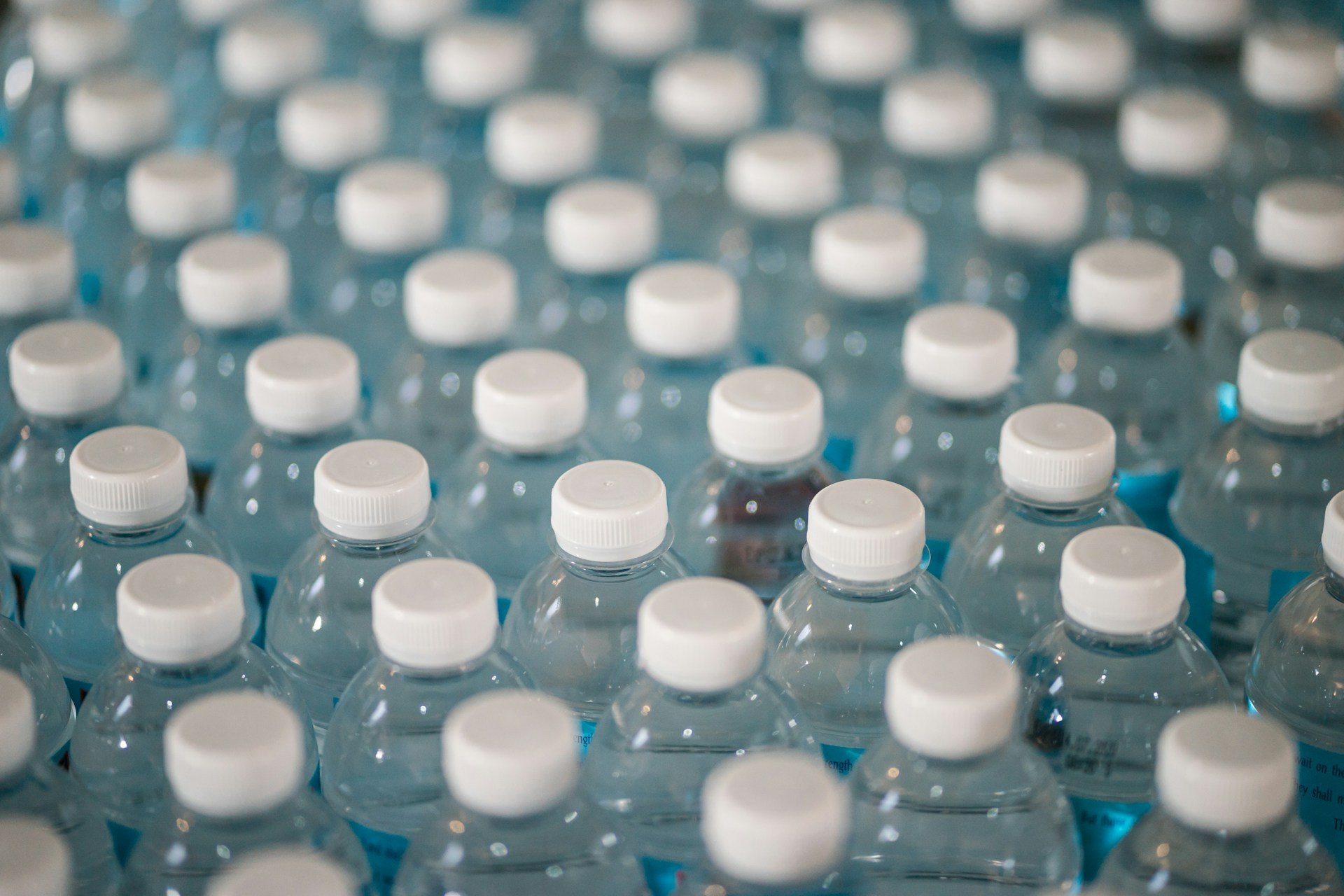
The installation is designed for microbiologically sensitive still products including juices, teas, isotonic drinks, vitamin waters, and lemonades. PET containers ranging from one to 2.5 litres can be processed, with rated output reaching 23,000 bottles an hour on the one-litre format.
At the centre of the line, a Krones Contipure AseptBloc DA sterilises preforms before they are stretch blow moulded within the protected aseptic environment. Filling and capping then take place inside the same controlled process chain, reducing the number of transfers at which a sterile container could be exposed.
Downstream equipment includes a Sleevematic TS labeller, Variopac Pro FS packer, and Modulpal Pro palletiser. Supplying the complete line allowed filling, labelling, packing, palletising, and control systems to be designed around common performance and interface requirements.
Wosana’s first Krones aseptic PET line entered operation in 2019 and is rated at 18,000 one-litre bottles an hour. That installation uses dry sterilisation for the bottle and was developed for still beverages across a range of container sizes.
Aseptic capacity supports broader contract filling
The second line follows Wosana’s expansion as both a brand owner and contract manufacturer, producing water, juices, lemonades, teas, and functional drinks for its own portfolio and external customers. Each programme can bring different recipes, packaging materials, labels, formats, and production schedules.
Contract filling places a premium on flexibility because output cannot be planned around one stable product range. Seasonal demand, promotional runs, retailer specifications, different sweetener systems, and shorter campaigns require frequent changeovers without compromising hygiene or creating excessive product and packaging losses.
Aseptic processing gives sensitive beverages ambient shelf life without depending on preservatives or continuous refrigerated distribution. Beverage and packaging are sterilised separately before filling under controlled conditions, reducing thermal exposure compared with processes that apply prolonged heat after the pack has been sealed.
Those microbiological advantages depend on disciplined operation across sterilisation sequences, sterile air, environmental monitoring, closure handling, cleaning, maintenance, and restart procedures. A small deviation can place a substantial quantity of product at risk because contamination may remain undetected until after distribution.
Preform sterilisation reduces the surface area and geometric complexity exposed to sterilant before the container is blown inside the aseptic zone. Compared with conventional bottle sterilisation, the method can lower chemical use, energy demand, compressed-air consumption, and the quantity of water required by the process.
Utility savings become increasingly important as beverage plants add capacity, since steam, chilled water, compressed air, water treatment, and wastewater systems frequently become the hidden constraint on expansion. A new filler may fit inside the building while the supporting infrastructure remains unable to sustain its design output.
The Andrychów installation was completed within 14 months despite limited available space. Integrating the line around existing production required close control of equipment access, construction, service connections, commissioning, and hygiene separation without creating an extended interruption to ongoing manufacturing.
A similar emphasis on dry aseptic technology has appeared in Krones’ complete dry aseptic installation in Mongolia, where local production and ambient shelf life were combined with lower sterilisation demand. Both projects reflect growing investment in regional beverage plants capable of handling sensitive products without chilled logistics.
Larger container formats introduce different mechanical loads from small single-serve packs, particularly through accumulation, sleeving, bundling, palletising, and warehouse handling. One and 2.5-litre bottles are heavier, more prone to deformation under pressure, and less forgiving when conveyor control is poorly balanced.
Effective output will depend on how consistently those stages remain synchronised. A filler capable of 23,000 bottles an hour cannot sustain its design rate when labels, closures, shrink film, pallets, ingredients, or empty preforms arrive unevenly or when downstream equipment repeatedly causes short stops.
Integrated control can expose those losses more clearly by connecting machine states, alarms, speed reductions, and accumulation levels across the line. Repeated micro-stoppages often consume more production time than a smaller number of major failures, particularly when operators treat each interruption as an isolated event.
The two aseptic lines give Wosana more scope to separate maintenance, product campaigns, and customer schedules without placing every sensitive beverage through one critical asset. Capacity resilience improves further when operators, maintenance staff, and quality teams can transfer knowledge between lines rather than relying on one specialist group.
Packaging and ingredient variation will remain central to performance, since aseptic validation depends on stable material properties as well as machine settings. Changes in preform resin, closure geometry, product acidity, viscosity, or particulate content can alter sterilisation, filling behaviour, and line efficiency.
Wosana now has additional capacity for sensitive still beverages and larger PET formats, although stable commercial output will be determined by hygiene discipline, preventive maintenance, operator competence, and control of every material entering the line. The machinery establishes the production ceiling; routine execution will decide how closely the plant reaches it.