IN Brief:
- Element Six and Oxi-Tech Solutions are partnering to scale Pulse Oxidation sanitation technology.
- The system uses water and low-voltage electricity to generate ozone, with boron-doped diamond technology improving durability and efficiency.
- UK dairy deployment has shown reduced chemical use and lower hot-water energy demand while maintaining hygiene standards.
Element Six has partnered with Oxi-Tech Solutions to accelerate industrial sanitation technology that uses synthetic diamond-enabled electrochemistry to reduce reliance on harsh cleaning chemicals.
The partnership brings together Element Six’s boron-doped diamond technology with Oxi-Tech’s Pulse Oxidation systems, which use water and low-voltage electricity to generate ozone for disinfection. The companies are targeting dairy farming, food production, beverage manufacturing, agriculture, and wider industrial sectors where hygiene performance, chemical handling, energy use, and operating cost are under increasing scrutiny.
Oxi-Tech’s system generates ozone at the point of use. Ozone is a powerful oxidising disinfectant capable of destroying waterborne bacteria, viruses, and microorganisms. By integrating Element Six’s boron-doped diamond electrodes, the companies aim to improve system efficiency, durability, and scalability.
“This partnership is about making high-performance cleaning simpler, safer and more sustainable across a range of industrial sectors, including agriculture, farming and food production,” said Siobhán Duffy, CEO at Element Six. “By combining our synthetic diamond technology with Oxi-Tech’s systems, we can help customers improve hygiene while reducing reliance on chemicals and lowering costs.”
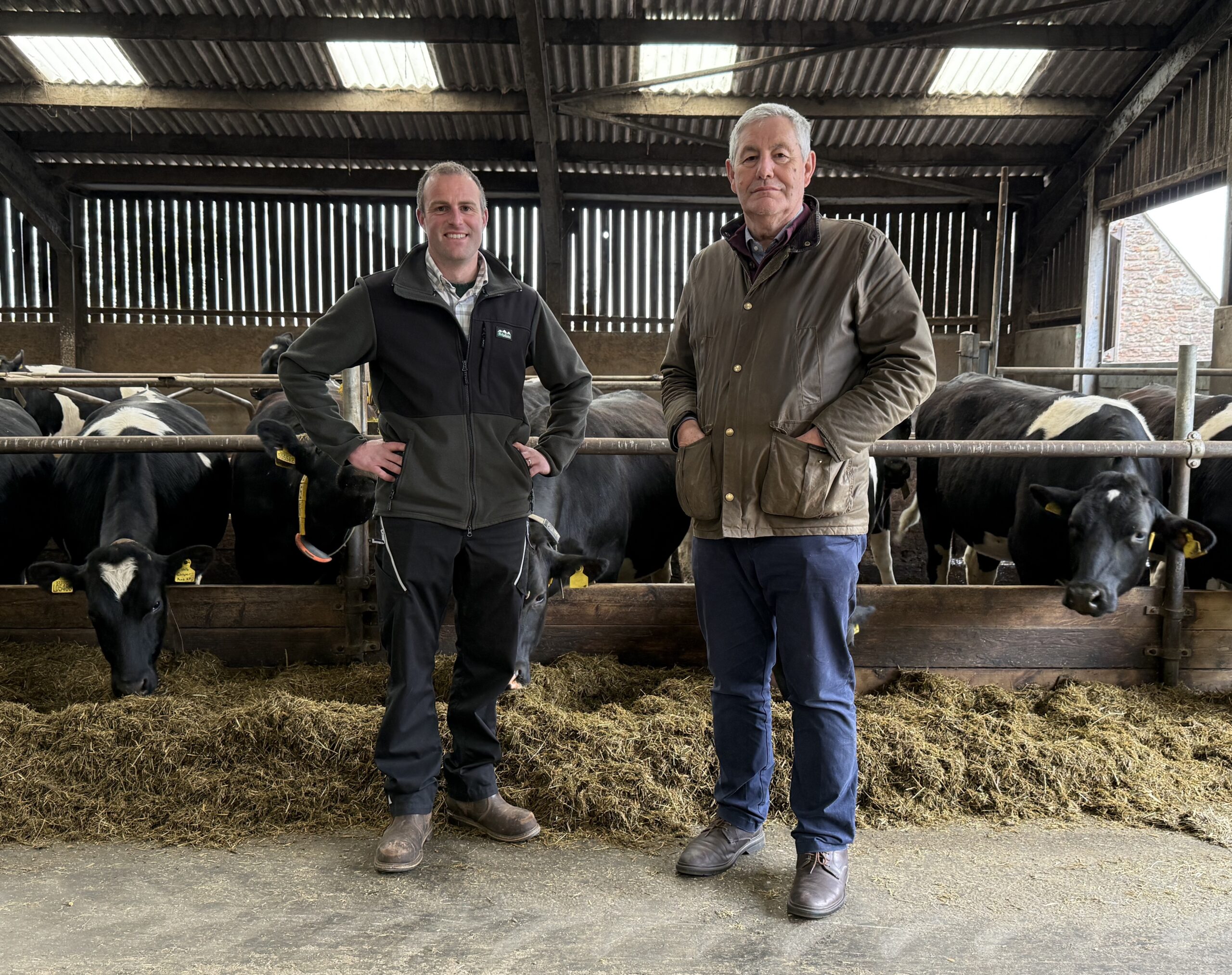
The companies point to early deployment in the UK dairy sector. At Yeo Valley’s Yoxter Organic Farm, Oxi-Tech’s system has reduced chemical use by 75%, alongside a 75% reduction in energy required to heat cleaning water, while maintaining hygiene standards.
The partnership will now focus on expanding adoption across food and beverage production and other sectors where cleaning performance, safety, and sustainability are critical.
Sanitation is becoming a more strategic part of food manufacturing. Cleaning affects labour, water use, heat demand, chemical procurement, operator safety, validation, asset wear, and line availability. In dairy and beverage operations, where clean-in-place processes are central to routine production, those costs and risks are repeated every day.
That pressure sits alongside the equipment trend examined in sanitation by design reshaping food equipment buying, where processors are placing greater weight on cleanable surfaces, hygienic materials, access, drainage, validation, and chemical resistance. Element Six and Oxi-Tech are addressing a different part of the same system: the cleaning chemistry and utility demand required once equipment is in operation.
Chemical reduction is attractive, but it still needs validation. Food and beverage producers require proven microbial performance, repeatable cleaning outcomes, compatibility with existing assets, residue control, safety procedures, service support, and evidence that the system can work reliably around production schedules. Trial performance has to translate into routine plant use.
Energy demand is also becoming more prominent. Conventional cleaning regimes often rely heavily on heated water and chemical dosing. Reducing hot-water use can lower operating cost and emissions, provided sanitation windows, microbial validation, and maintenance routines are preserved.
Oxi-Tech’s dairy work has already positioned Pulse Oxidation as a clean-in-place alternative for conventional and automated milking systems. The Element Six partnership gives that approach a stronger materials platform and a clearer route towards scale-up.
The wider development is the movement of advanced materials into everyday food hygiene infrastructure. Synthetic diamond is better known for hard-wearing industrial applications, but boron-doped diamond electrodes create possibilities in electrochemical oxidation, water treatment, and disinfection. In food production, that places sanitation technology closer to the broader shift towards lower-chemical, lower-energy, data-supported plant operation.
The next stage will depend on scale-up across more demanding food and beverage environments. Dairy farms provide an important validation route, while processing plants bring wider product residues, more complex CIP circuits, higher throughput, and stricter production continuity demands. If performance holds across those conditions, chemical-light sanitation could become a stronger part of the factory hygiene toolkit.